
The Story
Why it exists.
The beginning
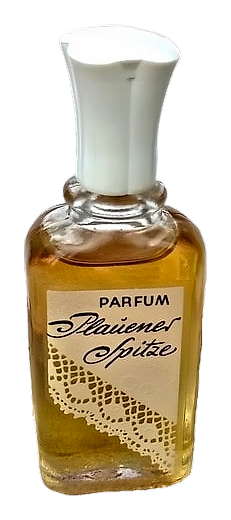
Plauener Spitze was launched by Florena in 1981. The fragrance is built as a floral aldehyde, with bergamot and lily of the valley at the opening, rose, jasmine, and violet through the heart, and amber, sandalwood, and tonka bean underneath. Bergamot gives the composition its first lift, pairing a bright citrus impression with the clean floral character of lily of the valley. Rose and jasmine build a soft, full bouquet, while violet adds a powdery layer within the floral heart. Amber introduces warmth, sandalwood contributes a smooth woody character, and tonka bean adds a gentle sweetness to the base. Together, the notes form a polished floral aldehyde with a clear opening, a rounded middle, and a warm, softly textured finish.
The interesting part is the balance inside a classic floral structure. Bergamot gives the opening air and lift, while lily of the valley keeps it clean rather than heavy. Rose, jasmine, and violet bring a soft bouquet to the heart, with violet adding a powdery floral impression that deepens the blend. Amber, sandalwood, and tonka bean then ground the brightness in warmth, smooth wood, and gentle sweetness. As the fragrance develops, the opening florals give way to a fuller bouquet before the base notes create a warmer, more rounded finish. It’s a floral that has somewhere to go.
The evolution
The first impression is clear and citrus-bright, with bergamot lifting lily of the valley into a clean, airy start. As the fragrance settles, rose and jasmine make the middle feel fuller, while violet adds a faint powdery character. The opening’s clarity gives way to a more traditional floral heart, polished but never heavy. Then amber, sandalwood, and tonka bean take over, leaving a warmer, softer trail with a gentle woody and powdery finish. Over time, the floral character gradually recedes, and the composition develops a warmer, more grounded drydown.
Cultural impact
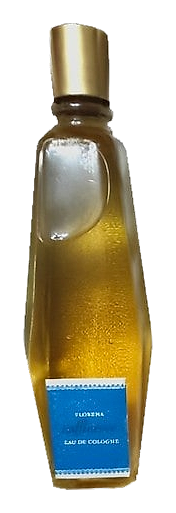
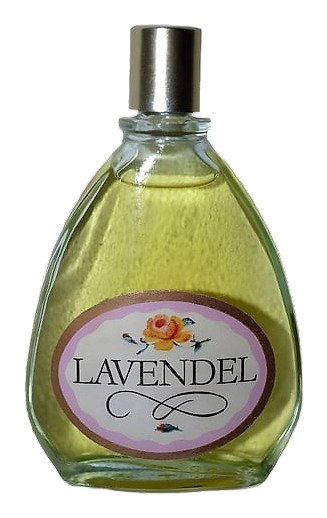
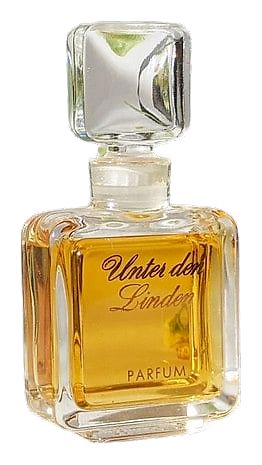
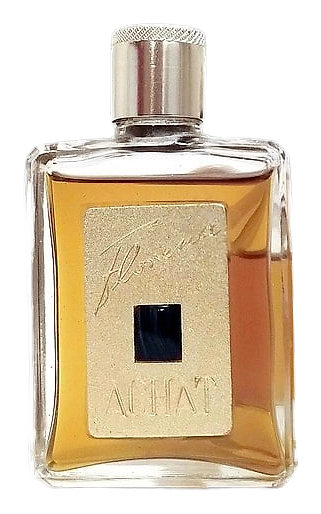
Plauener Spitze is part of Florena’s fragrance catalogue and was launched in 1981. The name and composition belong to a catalogue that also includes Meissen Lavendel, Unter den Linden, and Kölnisch Wasser. Its floral aldehyde structure moves from bergamot and lily of the valley through rose, jasmine, and violet, then settles into amber, sandalwood, and tonka bean. The result is a recognizable combination of bright citrus, clean floral notes, powdery floral depth, warm woods, and gentle sweetness, with a composition that invites attention to both its opening and its evolving finish.