
The Story
Why it exists.
The beginning
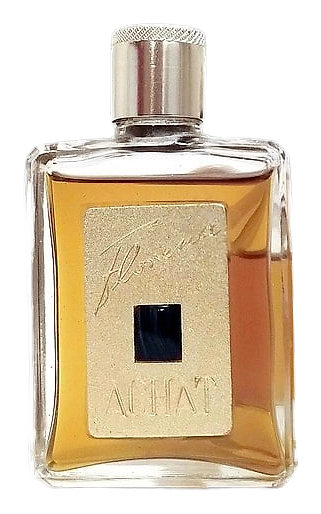
Achat arrived in 1957, placing it firmly within the postwar reshaping of German perfumery, when classical floral structures were meeting new products and international influence. No named perfumer is documented, and no specific inspiration has been verified. What can be read clearly comes from the composition itself: a floral chypre built around citrus, rose, jasmine, oakmoss, artemisia, and a general fruit accord. Its name suggests acquisition, yet the scent itself offers something more intriguing than simple possession. It begins with fresh brightness, gathers white petals around itself, then turns earthy and textured. That tension gives Achat its character, placing an elegant German floral within a more worldly chypre frame.
The unusual part is how naturally the fragrance's central materials negotiate opposites. Citrus supplies lift and sparkle, while oakmoss introduces a dark, forest-floor texture. Rose and jasmine soften that contrast with white floral warmth, and artemisia adds a bitter, aromatic edge. Fruity notes widen the composition without making it tasteful or sweet for its own sake. This is not a neat division between fresh top notes and heavy base notes. Each side pulls against the other, creating a fragrance that can move from polished daytime composure to something moodier as the floral heart gives way to moss.
The evolution
The opening begins with citrus, sharp and quick, carrying the clean snap of a cool morning. As that brightness softens, rose and jasmine move forward, bringing a fuller floral shape that feels elegant without becoming overly neat. The fruit accord adds a rounded, appetizing edge, while artemisia keeps the sweetness in check with a bitter herbal note. Then the composition turns decisively chypre. Oakmoss becomes the lasting anchor, earthy and textured, lending the wearer a darker, more composed finish. The citrus will fade first, but the mossy base is likely to remain perceptible longer than the floral heart. By the later hours, Achat should read less like a bouquet and more like skin, fabric, and forest floor together, with moderate sillage keeping the whole thing close rather than theatrical.
Cultural impact
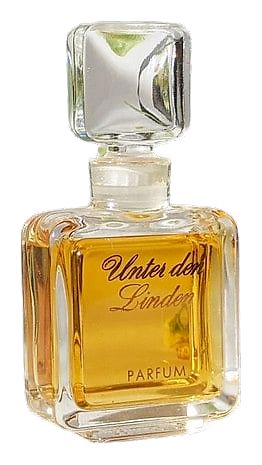
Achat sits at the meeting point of classic floral perfume and the chypre tradition, with a German fragrance-house context that favors familiar materials and regional references. Its appeal lies in the way it turns rose, jasmine, fruit, citrus, and moss into an everyday cultural reference point rather than a formal perfume object. For wearers drawn to vintage floral structures with an earthy, untidy edge, it offers a recognizable point of orientation. Florena's broader catalogue includes Raffinesse and the geographically named Unter den Linden, placing Achat within a house that connects perfume with place, language, and lived memory.