


Heritage
A house, in its own words
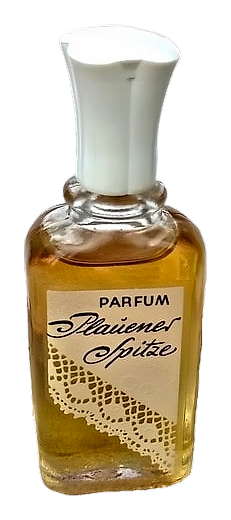
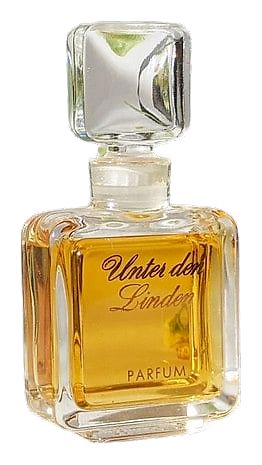
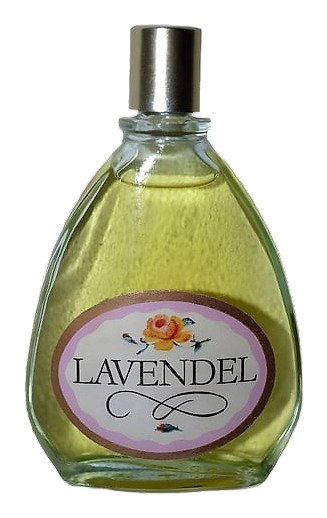
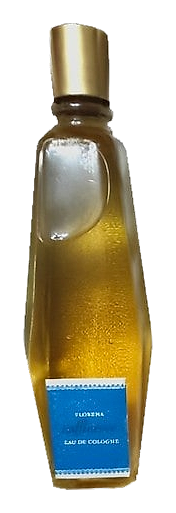
Florena’s recorded fragrance history begins in the postwar period, when German perfumery was being reshaped through a mixture of tradition, new products, and international influence. The catalogue includes scents introduced across several decades, such as Raffinesse in the 1950s, Unter den Linden in 1970, Meissen Lavendel in 1974, Undine in 1980, and Plauener Spitze in 1981. These dates form a visible map of the house’s development, from chypre and classic floral naming to geographic and place-based compositions. Plauener Spitze, launched in 1981, became one of Florena’s most recognizable names. Its association with the Plauen district and the region’s cultural identity gives the fragrance a distinct German frame. Florena’s history does not rely on the medieval narratives often attached to European fragrance houses. Instead, it belongs to the modern German fragrance market and reflects the country’s strong culture of eau de cologne, as well as the use of local names and regional references in mainstream perfumery. Florena’s creative direction is apparent in its naming system and its use of recognisable German references. Plauener Spitze, Meissen Lavendel, Unter den Linden, and Kolnisch Wasser place emphasis on place, language, and cultural memory. The approach suggests that fragrance can function as an everyday point of connection, not only as a formal decorative object. Its catalogue also combines contrasting scent families. Eau de Cologne represents the citrus-fresh tradition, while Raffinesse points toward a more elaborate chypre register. Undine, with its water-associated name, extends the house’s recurring relationship with aquatic and elemental imagery. These choices create a brand identity grounded in variety and accessibility, while the German references give the collection a clear geographic character.