
The Story
Why it exists.
The beginning
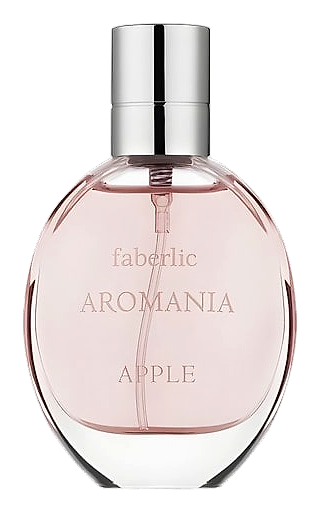
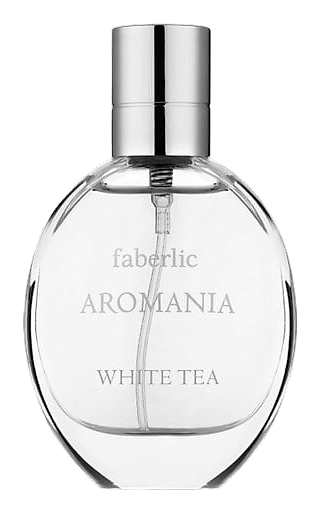
Faberlic built the Aromania collection around a single idea: one ingredient, done well enough to layer. White Tea was released in 2018, the year the line settled into its minimalist rhythm. The white tea accord here is meant to function solo or to play nicely alongside its Aromania siblings, which means every choice had to justify itself. Rather than asking the note to perform as a fragment of something larger, the composition grants it the architecture of a complete scent: top, heart, base, all drawn from the same plant material and the chemistry that surrounds it. The result reads as a study in focus, a fragrance that takes a single botanical thread and stretches it into a full wear without ever introducing a competing voice.
What makes the tea interesting in this context is what Boulanger leaves out. There is no vanilla to soften the edges, no musk to round the corners, no floral to sweeten the pour. White tea in perfumery is already a slippery material: the leaf itself smells grassy, faintly vegetal, closer to wet paper and hay than to Earl Grey. Boulanger's version leans into that greenness rather than chasing the warmer, honeyed facets the note can offer. The accord reads as the steam above the cup rather than the leaf in it. It is a choice about what white tea actually smells like before anyone has added milk, sugar, or marketing copy.
The evolution
The first minutes are almost shocking in their clarity. The tea arrives cold, green, faintly metallic, the way steeped leaves smell before any warmth has had a chance to round them out. There is no transition phase in the traditional sense, no floral heart breaking through, no spicy middle that signals the move from opening to core. Instead the same tea simply deepens. The grassy top note softens into something more aqueous, more like the memory of a cup left on a windowsill than the cup itself. As the composition settles, it turns quietly vegetal: hay-edged, faintly bitter, still unmistakably tea. The drydown is where most monofragrances tend to falter because there is nothing else to anchor them once the initial impression fades. Here the white tea note behaves less like a top note that burns off and more like a single chord that sustains across the full span of wear.
Cultural impact
White Tea sits within Faberlic's Aromania line, a modular concept built around single-note fragrances that can be worn alone or combined into duos and trios. The concept gives a single botanical ingredient the same weight that more complex compositions usually reserve for an entire accord, and it invites the wearer to decide whether a solo application or a layered combination better suits the moment. Aromania as a whole reflects a willingness to let one note carry an entire composition, which is an unusual structural choice in a market accustomed to multi-layered formulations.
The House
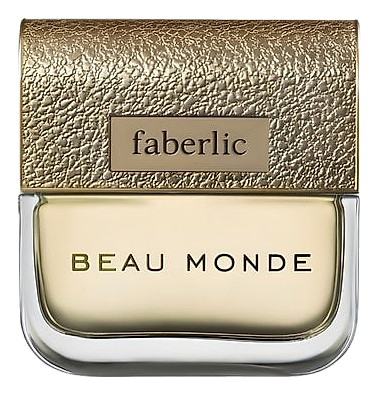
FaberlicFaberlic is a Russian cosmetics and fragrance house that grew from a direct‑selling concept into a nationwide manufacturing operation. The brand offers a broad portfolio that includes skin‑care, makeup, household products and a line of modern perfumes. Its products reach consumers through a network of independent consultants and a growing e‑commerce platform, positioning the company as a familiar name in everyday beauty across Russia and several neighboring markets.
The Creator
Evelyne BoulangerEvelyne’s signature technique involves layering a sharp, aromatic spice such as red pepper or clove beneath a lush floral heart, often rose or carnation. She then anchors the composition with a woody or fruity base that adds longevity without masking the top notes.