
The Story
Why it exists.
The beginning
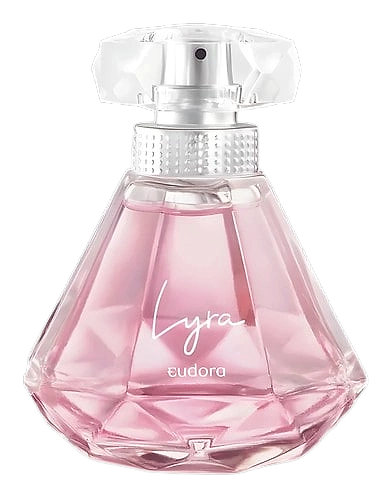
Lyra is named after the constellation, the harp-shaped cluster of stars visible in the northern sky. David Apel and Isaac Sinclair built this around that idea: a melody made tangible. A song in the form of scent. The constellation is associated with Orpheus, the musician whose lyre could charm everything around it. That quality, scent as seduction, scent as something that moves people, found its way into the brief. The 2020 launch brought it into a market that wanted joy without complexity, sweetness without apology.
The structure is built on a single tension: sweet berries against powdery florals. The red fruits arrive in a rush, strawberry syrup, cherry, blueberry, kiwi, apricot, then pivot to something quieter. Iris, violet, jasmine, lily of the valley. The base settles into a warm, creamy trail: musk, tonka bean, amber, sandalwood. Hours later, it's still there. The Accord Eudora in the base is the lyre's echo, a signature left on skin that rewards close attention rather than announcement.
The evolution
The opening salvo of red fruits hits immediately. Strawberry syrup, cherry, blueberry, kiwi, apricot, tumbling over each other like the first bars of a song. Jammy, bright, almost confectionery. Then the heart shifts. Powdery florals take over: iris, violet, jasmine, lily of the valley. Softer, quieter, close to the skin. The transition isn't dramatic, it's a handoff. The berries step back and the florals step in. Hours later, the drydown is still there. Musk, tonka bean, amber, sandalwood. Warm, creamy, intimate. The Accord Eudora in the base is the lyre's echo, a signature that rewards close attention rather than announcement.
Cultural impact
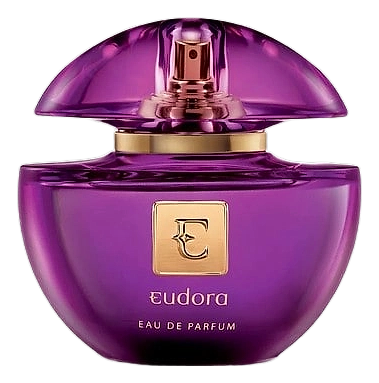
Lyra fits squarely into Eudora's playful, expressive approach. Fruity-floral, accessible, made for people who treat fragrance as part of their everyday identity rather than a special occasion choice. The 2020 launch brought it into a market that wanted joy without complexity, sweetness without apology.