The Story
Why it exists.
The beginning
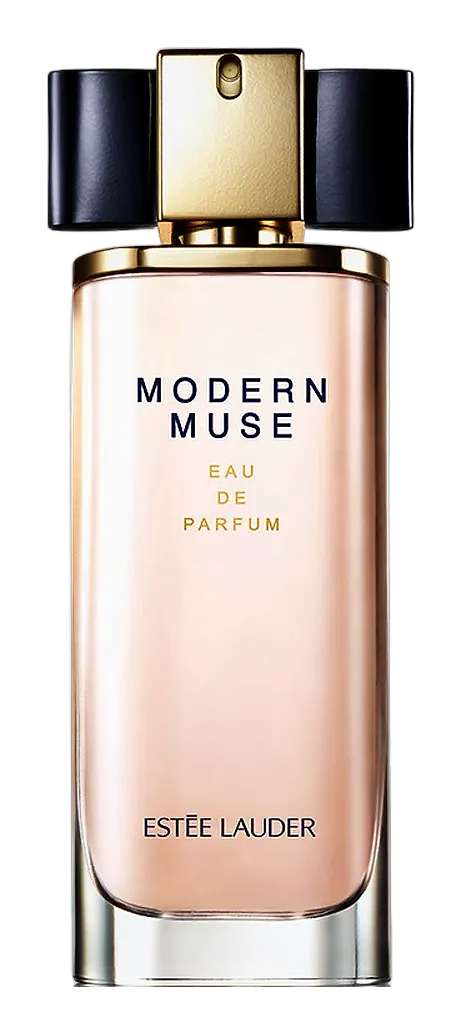
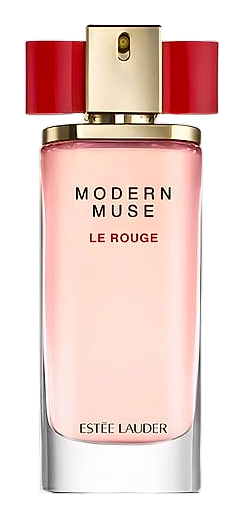
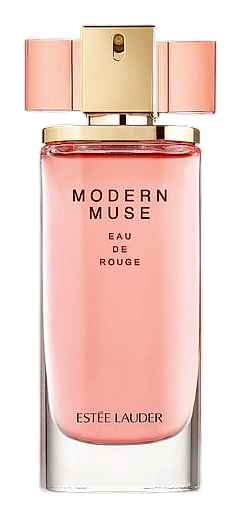
The Modern Muse concept began as an investigation into the contradiction at the heart of contemporary femininity, the woman who builds, who creates, who refuses to be only one thing. Estée Lauder introduced the original Modern Muse in 2013 as a portrait of that complexity: a woman who contains multitudes and smells like it. By 2016, the house returned to that portrait with a narrower lens, asking what happened when the muse leaned into her softer instincts. The answer was Modern Muse Eau de Rouge, a flanker that traded the original's sleek woody structure for something fruitier, more obviously floral, and deliberately, unapologetically sweet.
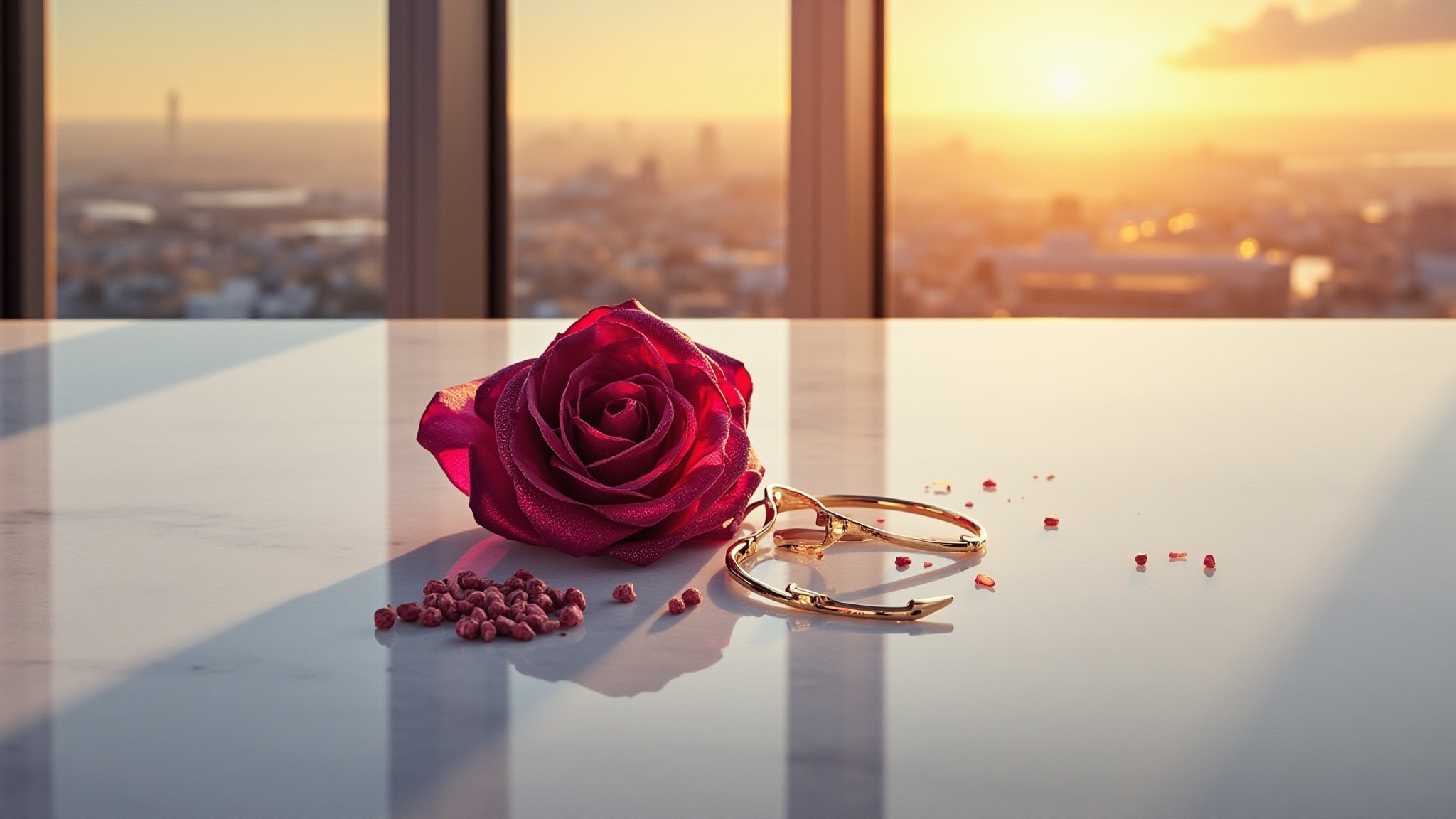
The ambrette seed sets this composition apart from the usual rose-vanilla playbook. Ambrette, derived from musk mallow, occupies a peculiar middle ground between botanical freshness and animal warmth. It's the ingredient that lets the fragrance hint at skin proximity without crossing into anything heavy or challenging. The result is a rose that doesn't announce itself so much as it settles in. Vanilla appears in the base not to sweeten the deal but to soften every edge the green notes and pink pepper might leave behind.
The evolution
The opening announces itself immediately: tart raspberry, green-still currant buds, and a pink pepper that tingles rather than burns. For the first twenty minutes, the fragrance feels awake and alert, fruit at its most energetic before the florals take over. The handoff happens when the rose, now joined by magnolia's creamier floral character, begins to dominate. The green notes don't disappear. They recede, like stems left standing after the flowers are cut. The heart phase holds for two to three hours on most skin, with jasmine absolute adding richness beneath the rose without competing for attention. Magnolia's citrus-blossom warmth keeps the rose from reading as heavy or exclusively vintage. By the fourth hour, vanilla surfaces in the base, not as a dominant force but as a warmth that holds everything together. The drydown becomes intimate, close to the skin, with ambrette's musky softness and vetiver's subtle earthiness lingering another hour or two. On fabric, a faint trace survives into the next morning.
Cultural impact
Modern Muse Eau de Rouge arrives at a moment when many women's fragrances still leaned into singular feminine archetypes. The Muse line challenged this by celebrating the modern woman who contains multitudes, ambitious yet creative, strong yet vulnerable. The dual-accord structure of Modern Muse perfumes, blending floral and woody notes, mirrors the cultural conversation around women being allowed to hold contradictory traits simultaneously. Estée Lauder's campaign for the line deliberately avoided clichés about femininity, instead positioning the wearer as the author of her own story. This approach resonated with consumers who saw themselves reflected in a fragrance that didn't ask them to simplify.