The Story
Why it exists.
The beginning
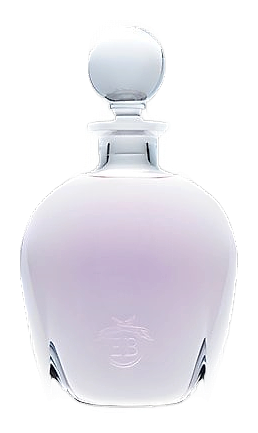
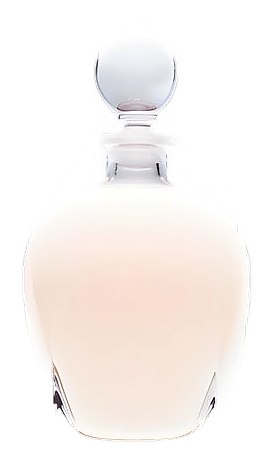
Kingston Osmanthus draws its name and its obsession from a trip to China, specifically, the white osmanthus buds that grow in certain regions and bloom with an intensity that borders on narcotic. Eric Buterbaugh encountered them on travels and came back with a single question for his perfumer: can you bottle what that smells like? The perfumer spent time with osmanthus absolutes and horticultural references before building a structure that could honor the flower's delicacy without losing it entirely. The result launched in 2016, standing as an osmanthus-forward scent that captures the flower with a certain boldness.
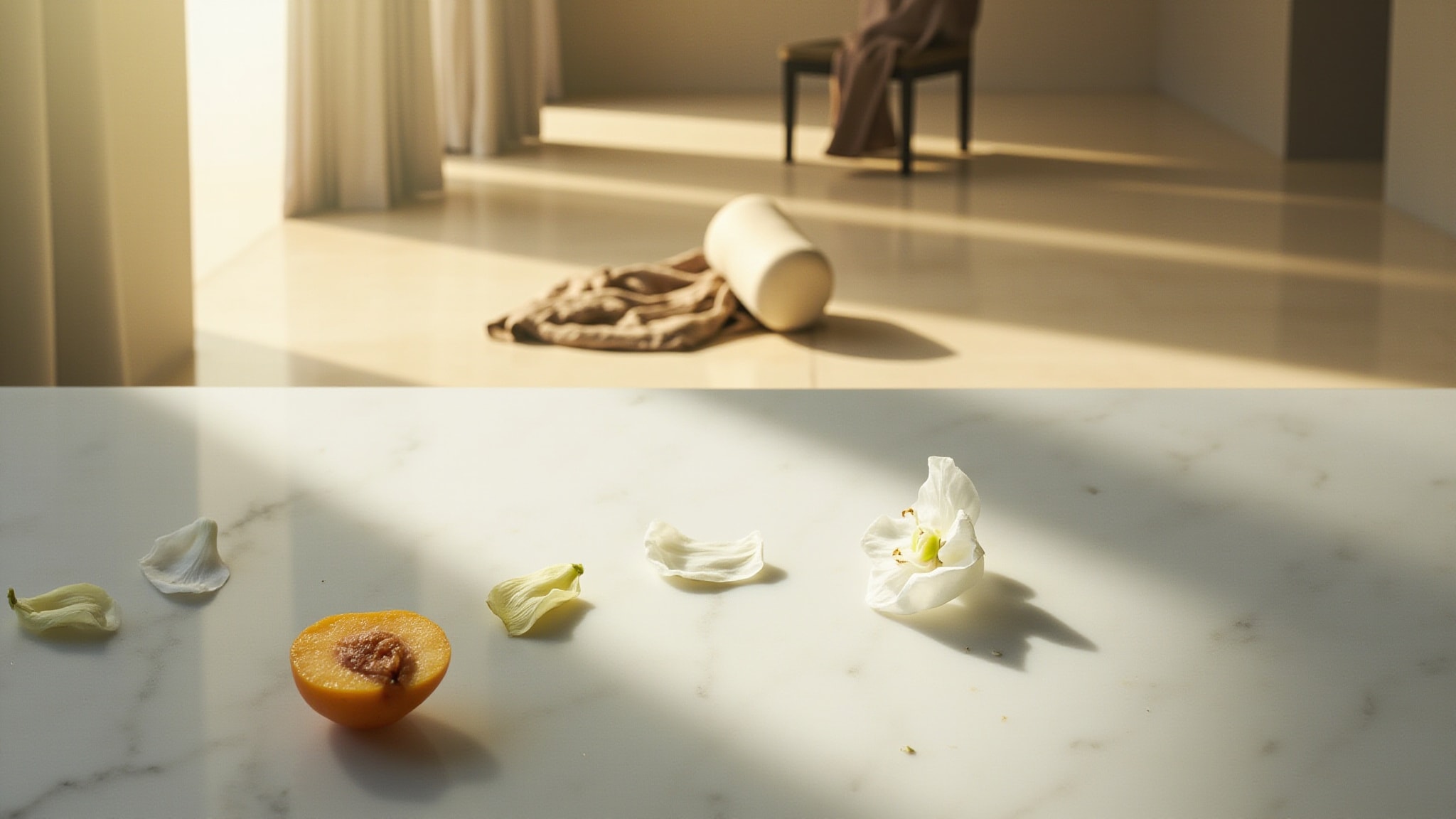
Osmanthus is a tricky note to place in a Western perfume. In its natural form it smells like apricot skin crossed with suede, fruity but not sweet, animalic but not aggressive, with a tea-like dimension that most absolutes flatten in extraction. The challenge is keeping it recognizable rather than letting it dissolve into generic floralcy. In Kingston, Morillas pairs osmanthus with jasmine and violet leaf in the top, giving the opening a cool, slightly green entry point that prepares the skin for what's coming. The heart adds rosebud and orange blossom, florals that share osmanthus's soft fruitiness without competing with it.
The evolution
The opening doesn't announce itself. Violet leaf and jasmine arrive quietly, cool, green, almost dewy. No rush. For the first twenty minutes, you're wondering if anything is happening at all. Then the osmanthus surfaces. Not loud. Closer to the feeling of stepping into a shaded garden where something is blooming just out of sight. Apricot-skin fruitiness with a suede-like softness underneath. Rosebud and orange blossom layer in, adding structure without adding noise, rose giving it a quiet warmth, orange blossom keeping it on the right side of delicate. The drydown is where this fragrance earns its name. The osmanthus doesn't fade so much as settle into the skin, wrapping itself in iris powder and warm sandalwood. What was a garden moment becomes something closer to skin. On fabric, something clean and faintly floral lingers. On skin, it becomes intimate, close, almost private.
Cultural impact
Osmanthus remains uncommon in Western perfumery, more familiar in Chinese tea and cuisine than in luxury fragrance. Kingston Osmanthus occupies a quiet bridge between those worlds. For wearers who know the flower, it reads as an accurate and respectful translation. For those who don't, it functions as an introduction. The fragrance stays intimate, which suits it to a certain kind of wearer: someone who wants a scent that functions like a well-chosen detail rather than a statement. It is, at its heart, a fragrance for those who appreciate the subtle and the specific.