The Story
Why it exists.
The beginning
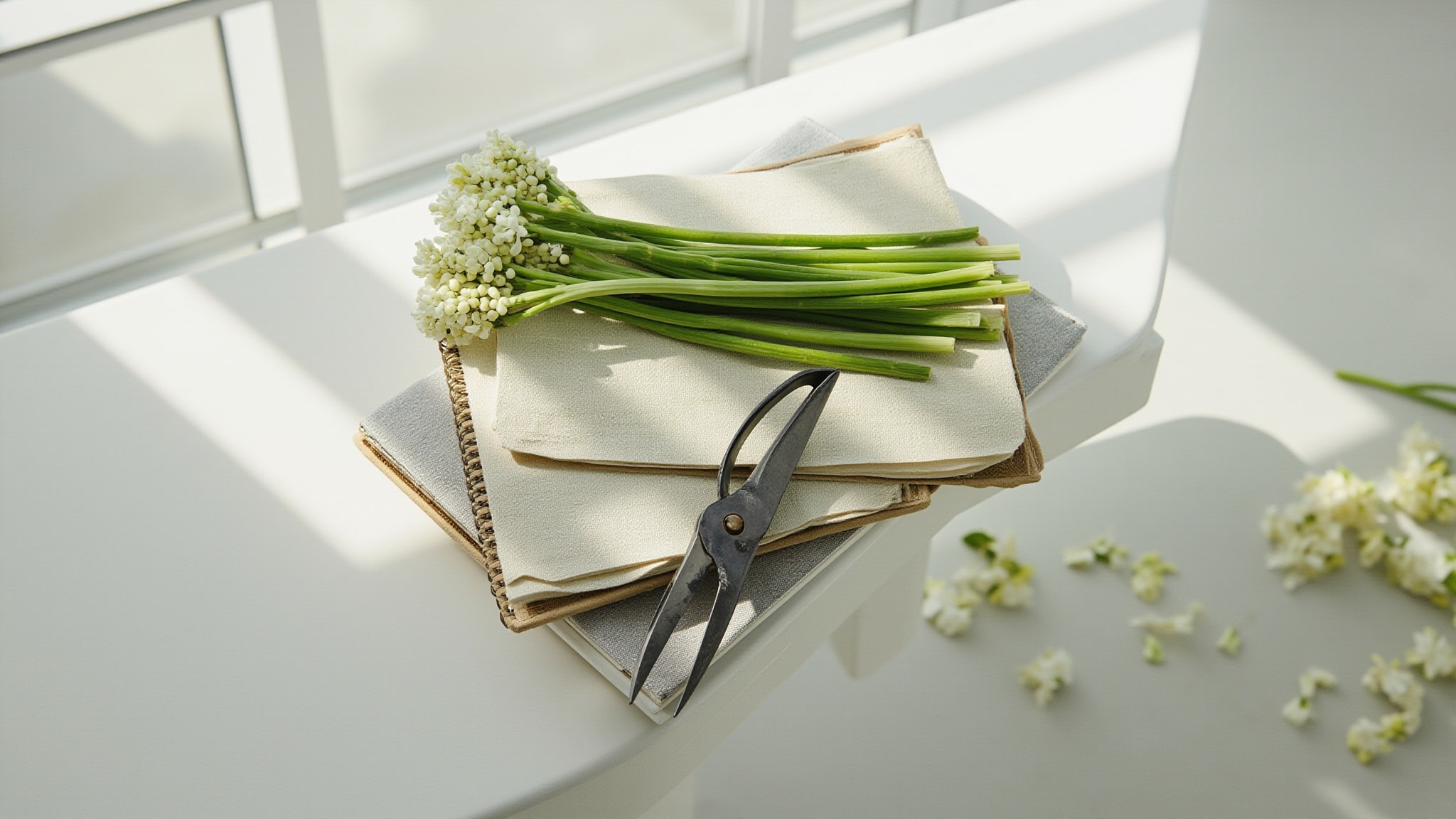
Alberto Morillas had a choice when he sat down to create Apollo Hyacinth. Most hyacinth fragrances lean into that dense, almost indolic bloom you'd find pressed in a forgotten book. But Morillas chose differently. He chose the stem. Not the petals. The part that actually lives. The green sap running through it, carrying water and minerals up toward the sun. That decision shaped everything that followed. The result is a fragrance that smells like the plant itself, not just the pretty part we cut and arrange. There's something more alive about this approach, more honest in its representation of how the flower actually grows and functions.
What makes this work is the way the materials talk to each other. Nashi pear doesn't add sweetness, it adds sugar the way fruit sap adds sugar, mineral and alive. Galbanum keeps everything sharp, green, a little bitter, like chlorophyll. And angelica seed is the bridge, connecting that watery opening to the woody drydown without ever letting the composition feel like it's in two different places. The hyacinth heart doesn't arrive all at once, it builds slowly, replacing the initial brightness with something earthier and more complex. This is a fragrance that earns your attention rather than demanding it.
The evolution
The opening is all brightness and bite. Neroli arrives first, sharp and citrusy, followed immediately by the green snap of galbanum. There's a slight bitterness to the first minutes, like cutting through a stem and getting sap on your fingers. The Nashi pear surfaces in the heart, adding a mineral sweetness that feels more like stem-cell sugar than fruit. The hyacinth arrives not as a floral wave but as a green presence that integrates with the galbanum rather than replacing it. Lily of the valley softens the edges without losing the composition's structural clarity, its delicate white flowers threading through the green accord and lending a quiet brightness that persists. The base is where the patience pays off. Haitian vetiver and cedarwood arrive slowly, warm and woody, and the oakmoss keeps everything grounded in something that smells like wet earth after rain.
Cultural impact
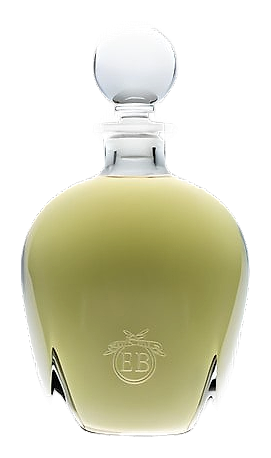
Apollo Hyacinth arrived as part of Eric Buterbaugh Florals' debut perfume collection, introducing a refined approach to botanical fragrance that honored the hyacinth's natural character. The scent offers a green floral interpretation that draws from the plant's structural elements rather than simply replicating its blooms. This composition stands apart from conventional market approaches, presenting something more grounded and architecturally considered.