The Heritage
The Story of Eric Buterbaugh Florals
Eric Buterbaugh Florals translates the language of flowers into scent. The Los Angeles‑based line offers single‑note and blended perfumes that echo garden bouquets, from osmanthus to gardenia. Each bottle carries the same attention to detail that the florist applies to his celebrated arrangements, giving wearers a fragrant glimpse of a curated blossom. The collection debuted in 2015 and has grown to include more than a dozen scents, each anchored in a specific flower or aromatic theme.
Heritage
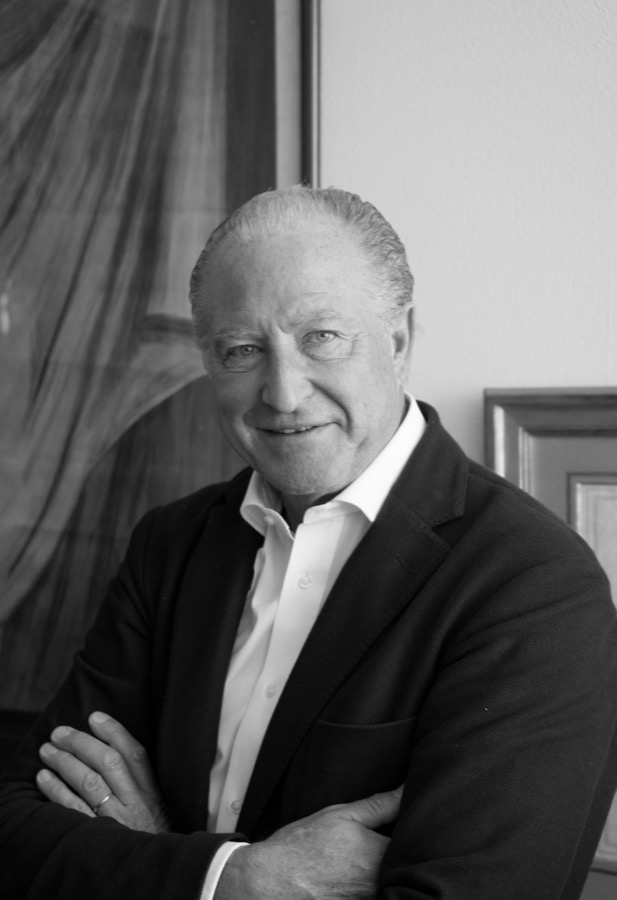
Eric Buterbaugh grew up in Purcell, Oklahoma, where he kept a cabinet of fifty perfume bottles as a teenager. He moved to Los Angeles in the early 1990s and, in 1999, founded Eric Buterbaugh Flower Design, LLC. The studio quickly attracted celebrity clients and earned a reputation for theatrical installations and seasonal displays. By 2015, the florist decided to extend his expertise beyond petals and launched EB Florals, a perfume line that mirrors his floral aesthetic. The first releases—Velvet Lavender, Sultry Rose, Regal Tuberose, and Apollo Hyacinth—arrived the same year as his flagship retail space opened on Melrose Avenue. In 2016, he added two osmanthus‑focused scents, Beverly Osmanthus and Kingston Osmanthus, expanding the line’s geographic inspiration to Asia. 2019 marked a shift toward richer accords with Oud Saffron and Oud Gardenia, blending traditional Middle Eastern notes with Western flower motifs. A 2020 rebranding effort renamed the brand Eric Buterbaugh Los Angeles, aligning the perfume identity with his broader creative practice. Throughout the decade, the line has remained independent, with production handled by boutique fragrance houses in France and Italy, while the founder continues to curate the scent profiles himself. The brand’s evolution reflects a consistent thread: a florist who treats perfume as another medium for arranging beauty.
Craftsmanship
The production process begins with a field visit or a consultation with a horticulturist to identify the target flower’s olfactory profile. Eric then works with a boutique perfumer in Grasse or Milan to translate that profile into a formula. Natural absolutes, such as rose oil or osmanthus extract, form the heart of the composition, while synthetic aromachemicals provide stability and depth. The brand orders raw materials in small batches, often from farms that practice sustainable harvesting. Each batch undergoes a three‑stage quality check: analytical testing for concentration, a blind panel evaluation for fidelity to the intended flower, and a final visual inspection of the liquid’s clarity. Bottles are hand‑filled in a climate‑controlled facility in France, then sealed with a custom‑cut crystal stopper that reflects the fragrance’s color palette. The packaging includes a recycled paper insert that describes the flower’s origin and the scent’s intended mood, reinforcing the brand’s educational angle. By limiting production runs, the line maintains a consistent scent profile across releases and reduces waste.
Design Language
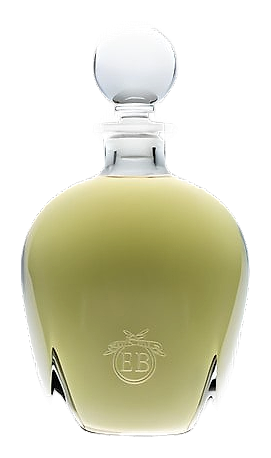
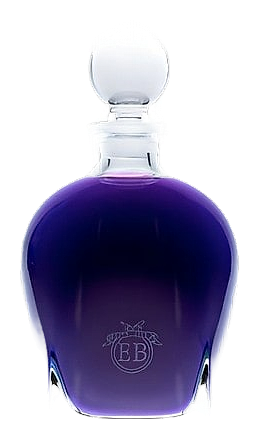
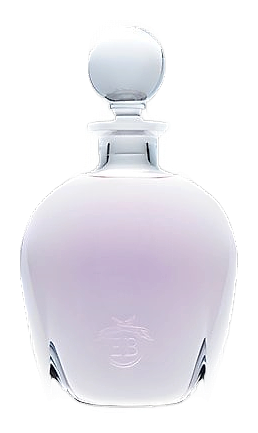
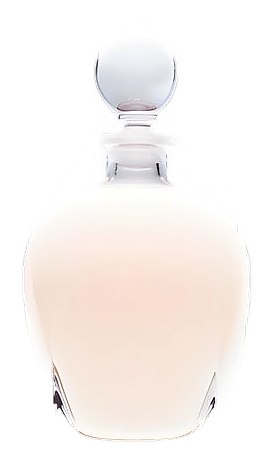
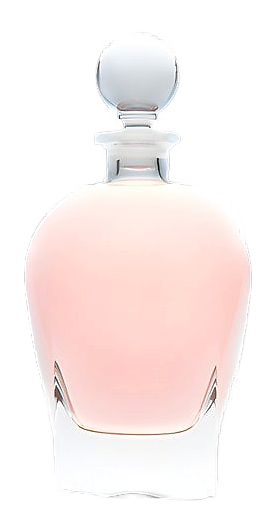
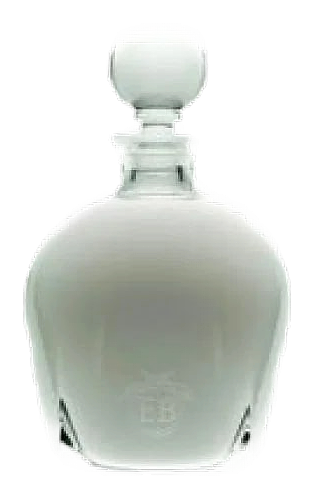
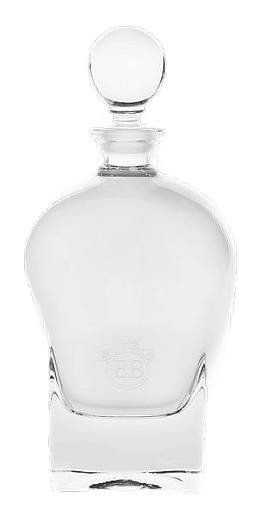
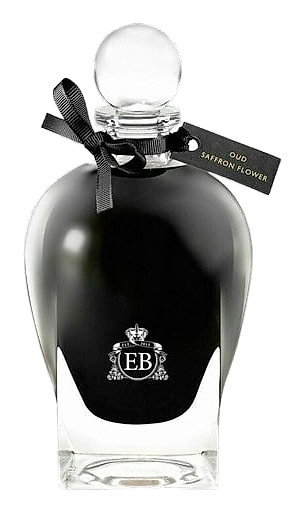
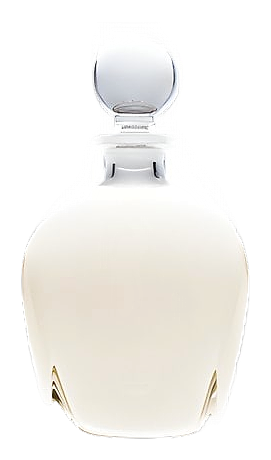
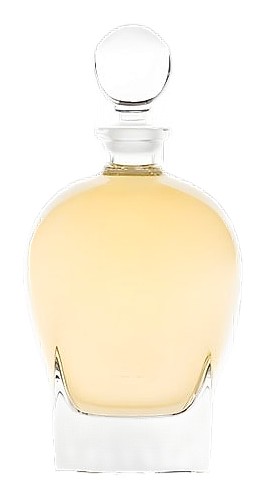
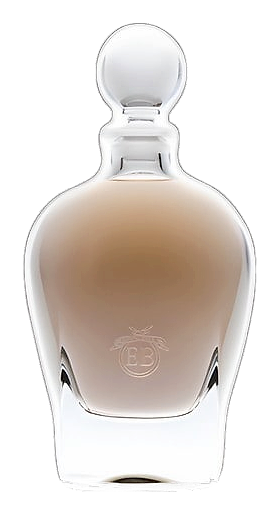
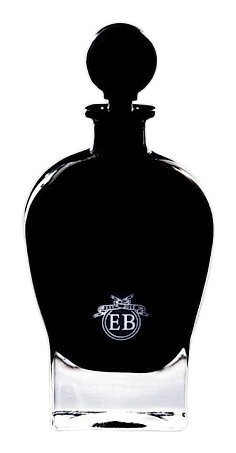
The visual language of Eric Buterbaugh Florals mirrors a modern greenhouse. Bottles stand on a matte black base, allowing the pastel‑hued liquid to command attention. The glass is clear, with a subtle frosted gradient that suggests morning dew on a petal. Caps are crafted from brushed brass, engraved with the brand’s monogram, and topped with a small crystal that catches light like a droplet. Labels feature a single line‑drawn illustration of the featured flower, rendered in ink on heavyweight cream paper. The overall look feels curated, as if each perfume were displayed on a pedestal in a boutique garden. In the flagship store, scent stations are arranged among living plants, reinforcing the connection between the visual and olfactory experience. Promotional photography often shows the perfume beside its botanical counterpart, set against neutral backgrounds that let the flower’s shape and color speak.
Philosophy
Eric Buterbaugh treats scent as a garden you can wear. He believes that a single flower can convey a memory, so each fragrance isolates one botanical note or pairs it with a complementary accent. The creator avoids generic “floral” blends; instead, he selects ingredients that match the texture, color, and season of the real bloom. He values transparency, sourcing natural extracts when possible and disclosing the primary accord in each launch. The line’s modest size lets him focus on quality over quantity, and he often references his own floral installations when describing a perfume’s structure. For example, the gardenia scent mirrors the layered petals of a bridal bouquet, while the osmanthus offerings echo the delicate white blossoms that line Japanese tea gardens. By grounding each perfume in a concrete floral reference, he aims to give consumers an intuitive, sensory shortcut to the scent’s inspiration.
Key Milestones
1999
Founded Eric Buterbaugh Flower Design, LLC in Los Angeles.
2015
Launched EB Florals with initial scents Velvet Lavender, Sultry Rose, Regal Tuberose, and Apollo Hyacinth.
2016
Introduced Beverly Osmanthus and Kingston Osmanthus, expanding the line’s Asian floral focus.
2019
Released Oud Saffron and Oud Gardenia, blending oud with Western flower notes.
2020
Rebranded the perfume line to Eric Buterbaugh Los Angeles, aligning it with the broader creative studio.
2021
Partnered with Saks Fifth Avenue for selective retail distribution of the fragrance collection.
At a Glance
Brand profile snapshot
Origin
United States
Founded
2015
Heritage
11
Years active
Collection
1
Fragrances released
Avg Rating
5.0
Community sentiment
Release Rhythm


