The Story
Why it exists.
The beginning
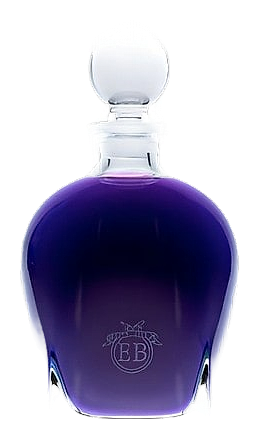
Alberto Morillas designed Fragile Violet in 2015 for Eric Buterbaugh Florals, a Los Angeles-based line that translates floral arrangements into scent. The brief was simple: isolate a single flower and let it speak. But violets come with a problem. They exist in two states, the green, watery leaf, or the soft, powdery petal, and most fragrances commit to one. Morillas decided the real violet was both at once.
The composition mirrors that refusal to choose. Mulberry and mandarin orange bring brightness without sweetness. White tea adds a mineral coolness that keeps the opening clean. Then the heart unfolds, violet arriving as leaf and petal simultaneously, with wisteria and lotus amplifying the effect. The result isn't contradiction; it's equilibrium. A fragrance that smells complete because it refuses to simplify its subject.
The evolution
The opening lasts maybe twenty minutes, bright, clean, almost like stepping into a florist's cool room. Then the florals take over, and something interesting happens: the violet doesn't assert itself so much as it reveals itself. The green-watery note and the powdery-petal note exist side by side, held in suspension by the wisteria and lotus. It doesn't deepen so much as it settles. By the third hour, you're in the drydown: white musk and cedar that read as skin-warm, not perfume-warm. The amber adds a quiet glow at the edges. Lasts six to eight hours on most skin, though it stays intimate throughout, you're the one who notices it still there.
Cultural impact
Fragile Violet occupies a quiet corner of niche perfumery, not a statement scent, not a crowd-pleaser, but something for someone who finds most florals either too loud or too familiar. The fragrance appeals to a specific sensibility: restraint as a form of confidence. It has a small but devoted following among those who prefer to be remembered rather than announced.