The Story
Why it exists.
The beginning
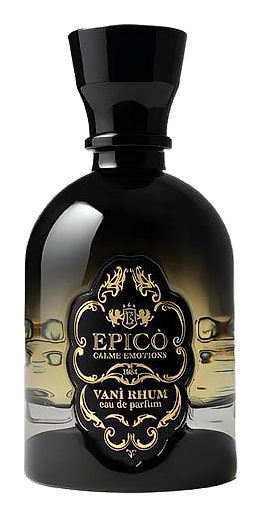
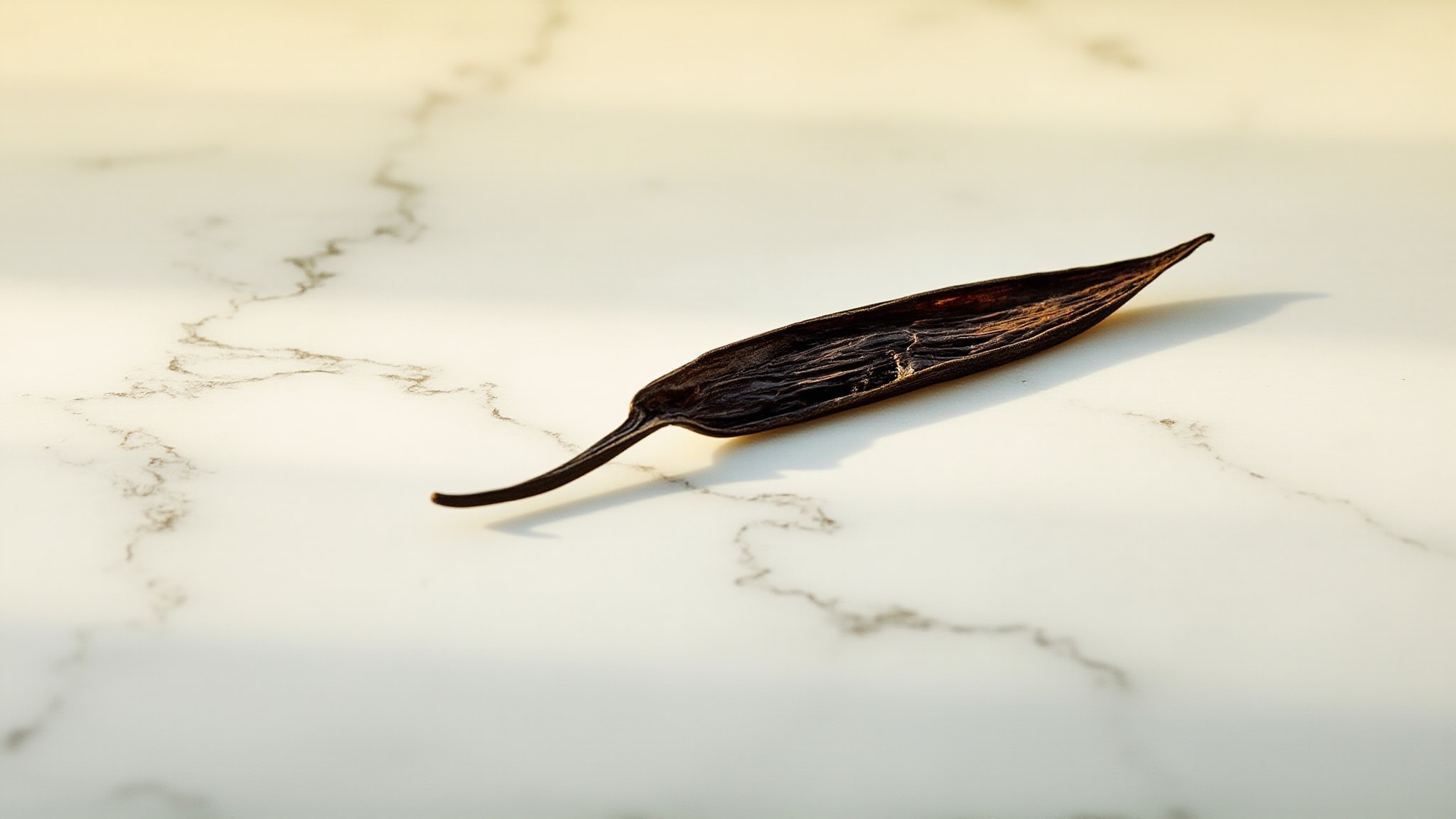
The 2024 release takes its name from two notes that have always carried that duality: vanilla's comfort and rum's warmth. Together, they become something that feels less like a fragrance and more like a decision to begin again. The name itself is a clue, Vanì for vanilla, Rhum for rum, but also a nod to something personal and slightly private, like an inside joke with your own skin. Vanilla and rum together feel familiar, but this composition treats them with unexpected care. The comfort of vanilla meets the warmth of rum, and instead of becoming predictable, the combination suggests something less obvious. It's an invitation to comfort, to transformation, to the idea that you cannot truly love if you don't love yourself first.
What makes Vanì Rhum interesting isn't the vanilla, it's the davana. A relative of artemisia, davana brings a fruity, slightly medicinal complexity. It smells like something you almost know, a memory of a memory. Pair that with Bourbon geranium, and you get a heart that's green but not fresh, fruity but not sweet. The rum note doesn't arrive as a liquor-store cliché. It reads as warmth, a subtle presence that shifts the composition away from simple sweetness. Geranium adds its own herbal backbone, supporting the davana and preventing the heart from becoming too smooth.
The evolution
It opens warm and slightly resinous. The opoponax softens the malt, the vanilla blossom arrives clean, not creamy yet, just present. For the first twenty minutes, there's a green flicker. Davana and geranium, maybe, doing something unexpected in the light. Then the rum moves in. Not aggressively, more like a door opened to a room where something's already been burning. The rose absolute shows up quietly, almost shy, a floral counterpoint that prevents the composition from becoming too heavy. This middle phase offers warmth and subtle sweetness, held together by geranium's herbal backbone. The drydown is where Vanì Rhum earns loyalty. The vanilla absolute and tonka bean don't arrive all at once, they build slowly, replacing the rum's warmth with something deeper and more personal. Patchouli and cloves anchor everything so it stays close, intimate, almost skin-like.
Cultural impact
Vanì Rhum occupies its own space within niche perfumery, offering an alternative to conventional sweet interpretations. The fragrance treats familiar notes with restraint, positioning comfort as emotional territory rather than literal interpretation. Its warmth feels personal rather than performative, inviting the wearer into a conversation rather than announcing a presence. The Italian niche tradition offers a particular lens here, favoring nuance over statement. This composition fits that sensibility: rich enough to be satisfying, restrained enough to remain interesting.