The Story
Why it exists.
The beginning
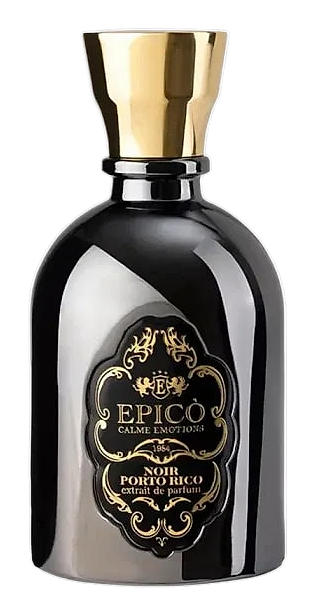
Noir Porto Rico arrived in 2026 as the latest chapter in Epicò's growing catalog of named, place-rooted compositions. The house treats each release as a named composition tied to a specific sense of place, and this one reads like a postcard from the Caribbean sent through a glass of aged spirit. Epicò produces both Eau de Parfum and Room Fragrances, working across formats that demand different behaviors from raw materials, and this particular composition is designed to live in close quarters, in enclosed spaces where scent accumulates and settles. The name itself carries the weight of place: noir as shadow, Porto Rico as the island, a reference that evokes rum and warmth without needing to announce itself.
What makes this composition distinctive is the refusal to separate the sweet from the structural. Bourbon whiskey and molasses at the top do not serve as a candy opening to be gotten past; they are the foundation of the whole thing, sticky and dark and assertive from the first spray. Coconut, cognac, rum, and dried fruits in the heart do not feel gourmand in the dessert sense. They feel layered, boozy, and rich, the kind of combination where each element pulls weight and none of them apologizes for being present.
The evolution
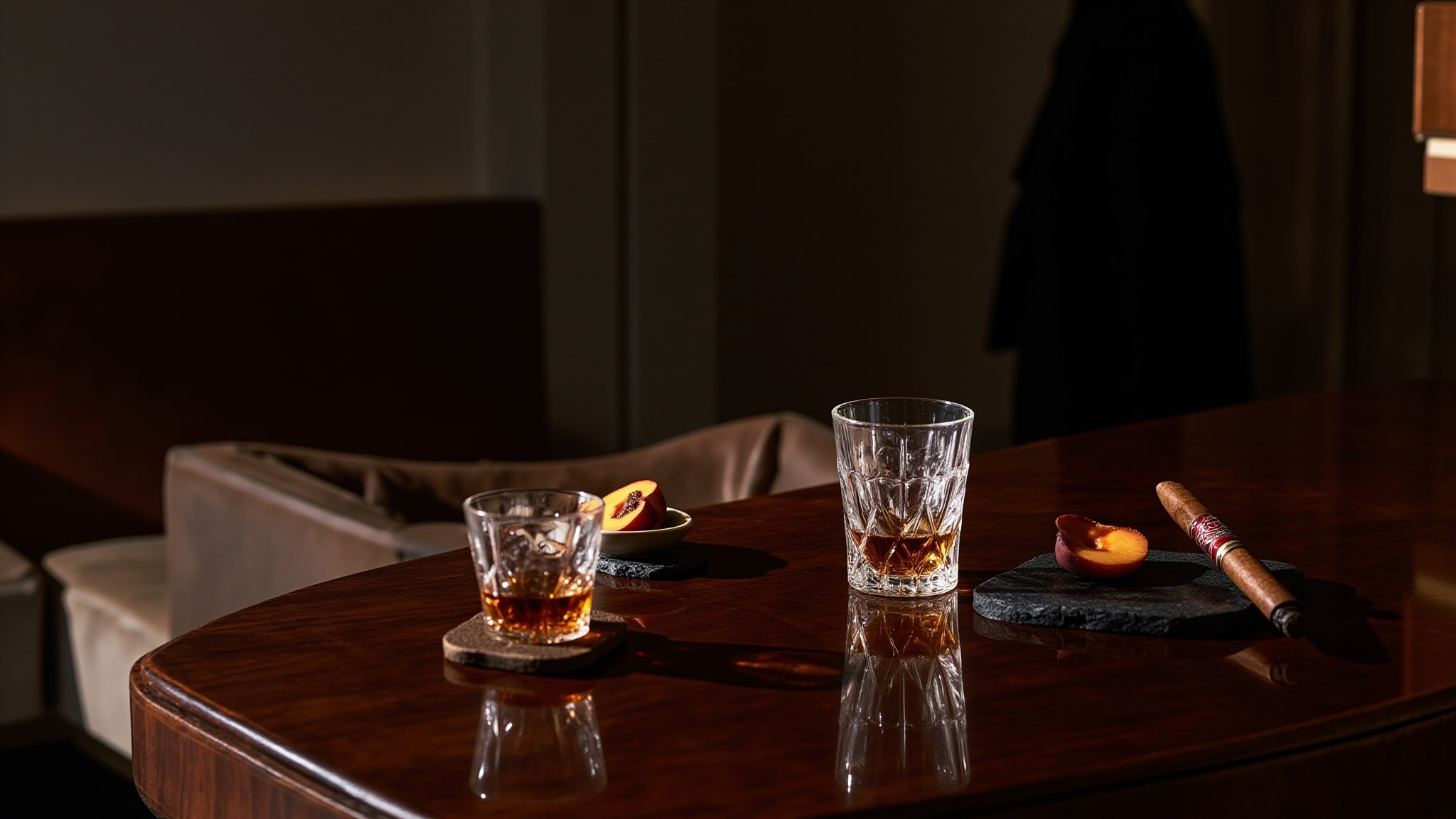
The first thirty minutes taste like bourbon poured over molasses, thick and dark, with nectarine doing surprising work on the edges to keep things from going syrupy. Sugarcane hums underneath, not as sweetness but as a green, fibrous reminder that the source material is a plant, not a confection. As the opening recedes, the composition pivots. Coconut arrives soft, almost milky, then cognac and rum settle in alongside dried fruits and a dense thread of Cuban tobacco that reads more like cured, aged leaf than like a literal cigarette. Spices flicker in and out, never dominating. Oak wood gives the whole middle phase the gravity of a cellar, the kind of grounding that keeps the sweeter notes from floating away. By hour three or four, the composition has shed most of its brightness. Cedarwood and gaiac wood form a low, smoky foundation that hums rather than shouts.
Cultural impact
Noir Porto Rico sits firmly in the spirituous corner of niche perfumery, drawing on the olfactory vocabulary of aged alcohol rather than traditional florals or fresh citruses. It treats rum, bourbon whiskey, cognac, and molasses as central materials, not accents, building the composition around their warmth and weight. Tobacco and oak wood anchor the darker side, while honey and vanilla carry the sweetness into something resinous rather than sugary. Within that framework, the rum and molasses pairing gives it a recognizable identity, one that reads as Caribbean without leaning on tropical cliché.