The Story
Why it exists.
The beginning
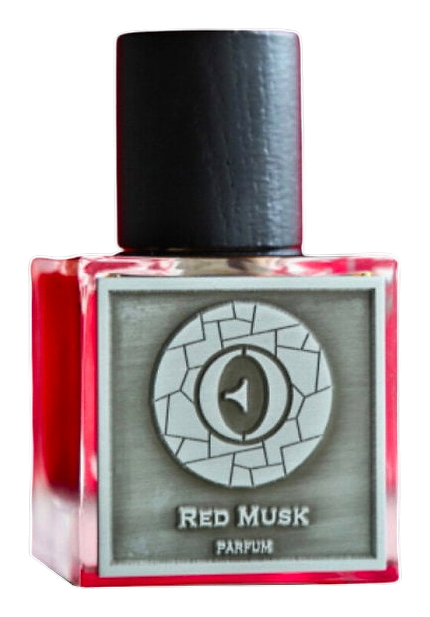
Red Musk arrived in 2024 from Ensar Oud, a niche house known for working with natural oud oils at serious depth. This release centers musk the way their oud compositions center oud, pulling in Indonesian and Vietnamese oud rather than treating them as the headline. The notes are direct: blackberry, black tea, Azerbaijani rose, jasmine, Mysore sandalwood, and three types of musk stacked in the base. The goal wasn't pretty. It was presence. The kind of musk perfume that settles into the skin and stays.
Three musk types anchor the base, and the choice to layer three isn't redundancy, it's composition with intent. Kashmiri, Tibetan, and Tonkin each carry their own character, and together they create a musk accord that reads complex rather than monolithic. Azerbaijani rose sits at the heart of the fragrance, giving the whole thing shape and lift against the heavier notes below. The rose isn't ornamental here. It's structural, the element that keeps the dark and animalic materials from collapsing into something unstructured.
The evolution
The opening lands heavy and immediate. Blackberry and black tea combine for an entrance that reads murky and brooding, more dark foliage than fruit. It's not sweet. It's dense. The Azerbaijani rose rises through as the top notes recede, and the composition shifts from shadow to substance. The jasmine hides in this phase too, never announcing itself but giving the florals a dense, indolic undertow. This is where the Indonesian and Vietnamese ouds begin to surface, smoky and resinous, grounding the lighter materials above. The Mysore sandalwood arrives as the oud begins to settle, adding a creamy dimension that softens the sharper edges without dulling them. From there, the musk triangle takes over the composition. On skin, the projection is above average for the category, and the longevity holds well past what most modern musks deliver.
Cultural impact
Red Musk occupies a distinctive place in Ensar Oud's catalog because of what it puts at the center. While the house is best known for oud-forward compositions, this release shifts the focus to musk, with oud acting as reinforcement in the base rather than headline note. That choice signals something about where the house is willing to take its materials. Production was limited, and sources indicate only one bottle was produced, placing it in rare territory from the moment of release. For those who follow the house, it reads as a statement of intent: musk deserves the same level of material sourcing and compositional care that oud receives.