The Story
Why it exists.
The beginning
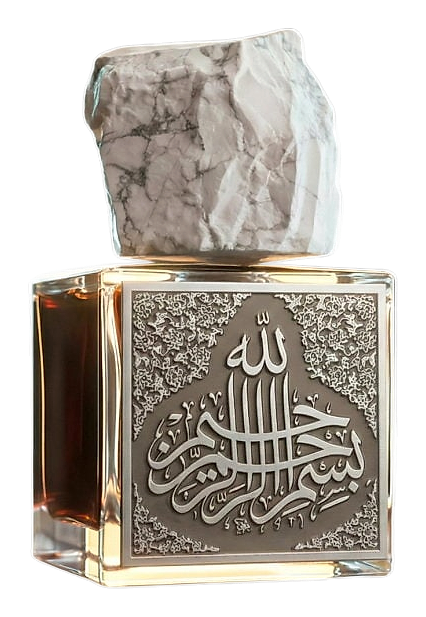
In the Name arrived in 2026 as part of Ensar Oud's EO Monuments collection. The brand has built a reputation around working with authentic natural oud and rare aromatic materials that most houses approach with hesitation, leaning into the dense, resinous side of composition rather than chasing mass appeal. In the Name sits squarely in that tradition: a ghalia format, dense with botanical richness, layered and unapologetic in its material weight. The brand describes it as a fragrance where you can taste the regal oud, dense saffron, luscious rose, truffley musk, and saline ambergris, a procession of rare naturals stacked into a single arc. The saffron hits first, almost metallic in its intensity, before the rose unfurls underneath with a jammy, almost candied weight.
What's unusual here is the refusal to tame the materials. Civet, hyraceum, muskrat, and ambergris sit alongside Mysore sandalwood and Vietnamese oud in a single composition, a lineup that reads more like an apothecary inventory than a modern perfume pyramid. The saffron and frankincense bring lift and smoke, while the tangerine offers a brief brightness before the animalics take hold. Ensar Oud's stated philosophy holds that purity of origin alone does not guarantee a satisfying fragrance experience, and In the Name reads as evidence of that belief. The materials are rare. What matters more is how they collide.
The evolution
The first thirty minutes belong to saffron and frankincense, sharp and resinous, with tangerine flickering underneath like a candle in a stone room. The rose arrives early, Turkish and dense, but it doesn't stay polite for long. Within the hour, the animalics take over. Civet warms against hyraceum, muskrat grounds the base, and the ambergris adds a saline weight that pulls everything downward. The Vietnamese oud doesn't announce itself. It seeps in through the sides, smoky and medicinal, threading through Mysore sandalwood until the drydown becomes almost geological. The interplay between the civet and the hyraceum creates a kind of warm, lived-in funk that softens the resinous top notes without ever dulling them. The muskrat anchors everything, keeping the composition from floating away into pure incense territory.
Cultural impact
In the Name sits within a small tradition of ghalia-style compositions that treat oud and animalics as devotional materials rather than fashion statements. The fragrance operates in a register where civet, hyraceum, and ambergris aren't novelty ingredients but foundational building blocks, the kind of materials that older perfume traditions considered essential rather than optional. Its note list reads like an inventory of rare naturals, each one carrying centuries of associative weight in Middle Eastern and South Asian perfumery.