
The Story
Why it exists.
The beginning
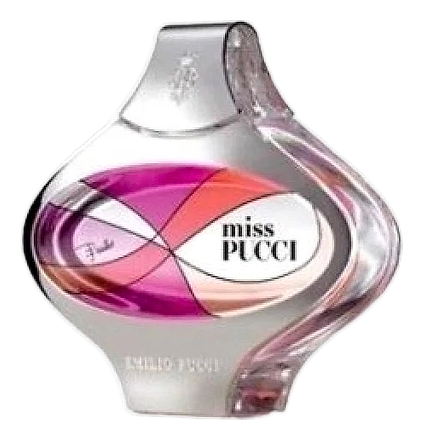
Emilio Pucci built a fashion house around bold kaleidoscopic prints that capture Mediterranean light and movement. For Miss Pucci, fragrance became textile work translated into scent. The house treated the brief as an exercise in sensory design, asking perfumers to translate the Pucci aesthetic into olfactory form. The brand's Italian origins informed a fragrance that reflects the clarity of Mediterranean light combined with the richness of Florentine craftsmanship. Miss Pucci carries the same sensuality found in the house's signature prints, using fragrance as another medium for the house's visual language.
The note selection reflects a philosophy of contrast. Citrus and lemon open with brightness, creating immediate appeal, while magnolia introduces the floral theme without overwhelming. The heart layers four florals deliberately, African orange flower providing depth, rose providing classicism, jasmine providing volume, and ylang-ylang providing tropical warmth. The drydown pairs musk with cedarwood and iris to create a base that feels both modern and timeless. This structure allows each phase to contrast with the others while maintaining overall coherence. The pairing rationale prioritizes sensory clarity: bright notes open, rich notes develop, quiet notes resolve.
The evolution
The opening immediately establishes a bright, airy character through citruses and lemon, a deliberate choice that recalls the sharpness of morning light in Florence. Magnolia bridges the citrus with the heart, its creamy floral quality preventing a jarring transition. The heart develops around African orange flower as the anchor, its slightly indolic richness adding an adult complexity that rose, jasmine, and ylang-ylang amplify through their combined floral volume. The drydown steps back from florals entirely, letting musk, cedarwood, and iris define the final impression. Cedarwood provides quiet structure while iris adds powdery elegance, and musk ensures the fragrance feels intimate rather than projecting loudly. This arc from bright citrus to lush floral to powdery close mirrors the way Pucci prints move from bold pattern to refined texture.
Cultural impact
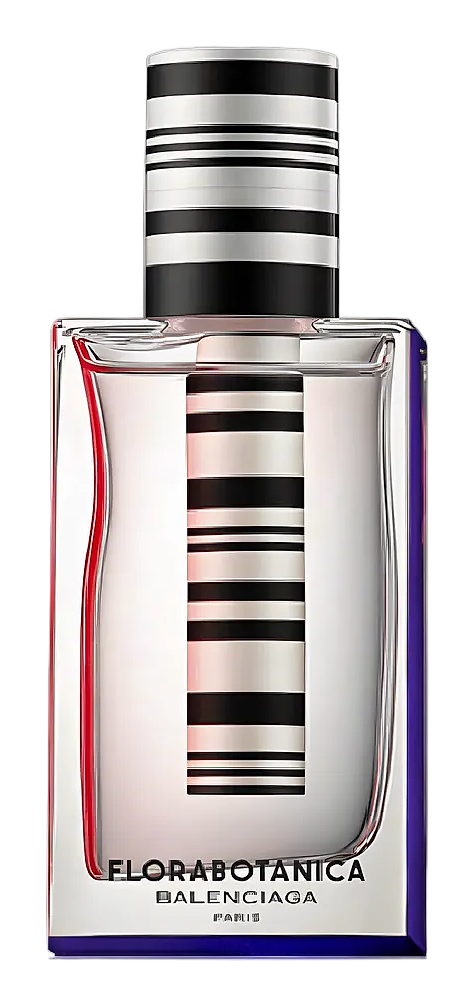
Miss Pucci found its audience among those seeking a classically feminine white floral with strong presence. Released in 2010 alongside the broader Emilio Pucci fragrance line, which includes the original Vivara from 1965 and flankers like Acqua 330 and Verde 072, Miss Pucci occupies a specific niche: powdery florals for someone who wants a fragrance that announces without aggression. The sillage is notable, strong enough to draw attention, refined enough to wear in professional settings. Comparisons to Balenciaga's Florabotanica (also 2010) and other contemporary white florals are common, though Miss Pucci leans more traditional in its powdery character.