
The Story
Why it exists.
The beginning
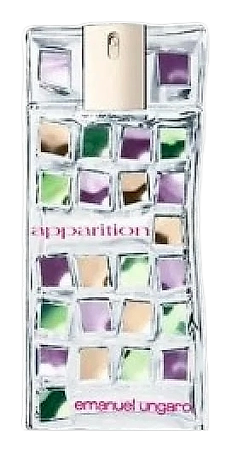
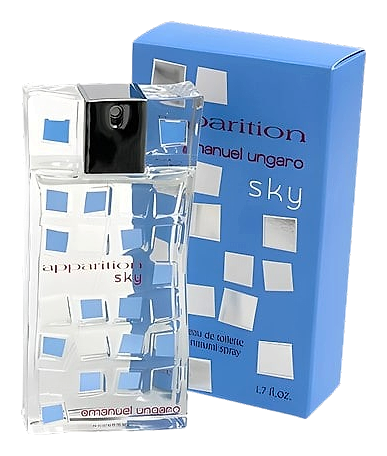
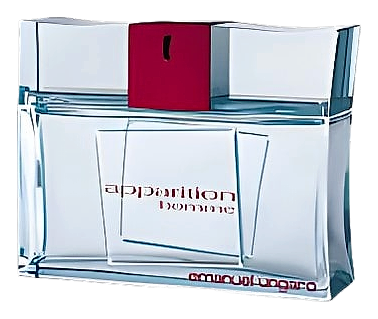
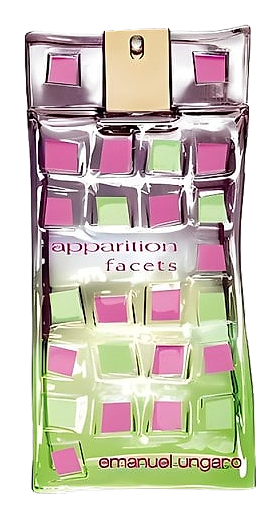
Françoise Caron designed Apparition Facets for Emanuel Ungaro in 2006. Her brief was simple: startle, then seduce. The citrus opening arrives bright and immediate, bergamot and pink grapefruit creating that initial spark of something unexpected. Then it softens. The florals arrive not as a climax but as a quiet arrival, damask rose and hibiscus settling in like they've always been there. By the time the amber and musk take over, the fragrance has already done its work, transformed from citrus sharp to something warm and assured.
What makes this composition interesting isn't the individual notes, bergamot, rose, musk appear in countless fragrances, but how Caron structured the hand-off. The citrus opening doesn't just fade. It warms. Bergamot has that quality: sharp at first, then almost honeyed as it settles into skin. Pink grapefruit adds a tart edge that prevents sweetness from arriving too early. Meanwhile, hibiscus brings something unusual to the floral heart. Not the tropical punch of frangipani, not the green of magnolia, a powdery, slightly sweet quality that bridges the citrus and the rose. The damask rose earns its place by being warm rather than bold, adding body without drama. And the base?
The evolution
The opening of Apparition Facets is its boldest moment. Bergamot and pink grapefruit arrive together, tart, bright, a little sharp. The grapefruit adds a slight bitterness that keeps the citrus from becoming sweet. You've got maybe fifteen minutes of this before the florals arrive. Then the heart takes over. The damask rose doesn't burst in, it settles, quietly. Hibiscus smooths the transition with its powdery warmth, almost like a soft blur between the crisp opening and the warmer middle. This is the longest phase. Rose and hibiscus together create something that's floral without being sweet, warm without being heavy. The drydown is where Apparition Facets earns its name. Amber and musk work together to create something intimate. The amber adds warmth and a slight resinous quality. The musk softens everything, pulling the florals down close to the skin. The citrus doesn't disappear entirely, it fades into the background, a memory of the morning's brightness. By the end of the day, there's a clean, powdery trace on the wrist. Nothing loud.
Cultural impact
Apparition Facets occupies a particular space in the Ungaro lineup: accessible, assured, and quietly confident. It's not trying to reinvent anything, it's refining. The citrus-floral structure was common currency in 2006, but Caron's execution gives it a specific character. The hibiscus adds something unexpected to the rose-and-musk formula, a powdery warmth that makes the composition feel intimate rather than airy. For wearers who want something stylish without shouting, it fills a gap.
The House
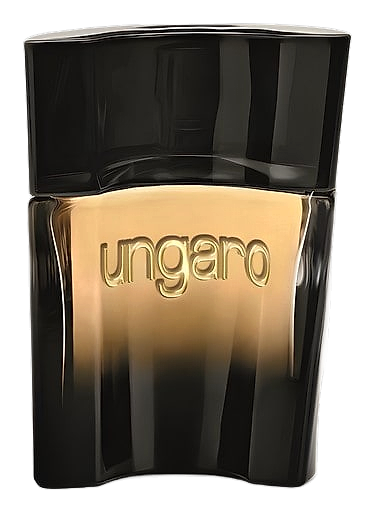
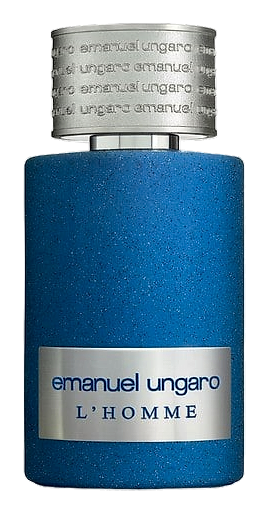
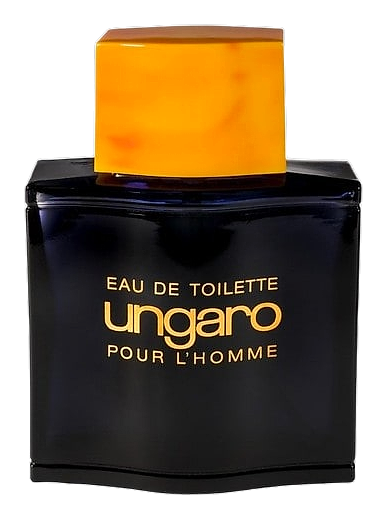
Emanuel UngaroEmanuel Ungaro is a French fashion house that extends its runway sensibility into fragrance. Founded in 1965, the label translates couture silhouettes into scented compositions that balance bold structure with lyrical nuance. The perfume portfolio spans from the 1977 debut Ungaro, a spicy‑aldehydic floral, to contemporary releases such as Yellow Chic (2024) and Heavenly Petals (2025). Each scent carries the house’s signature blend of vibrant color and refined form, inviting wearers to experience a wearable piece of the brand’s artistic legacy.
The Creator
Françoise CaronCaron gravitates toward luminous, translucent fragrances. She works comfortably with crisp citrus, transparent florals, and crisp green or aquatic notes, building structures that feel weightless rather than layered.