The Story
Why it exists.
The beginning
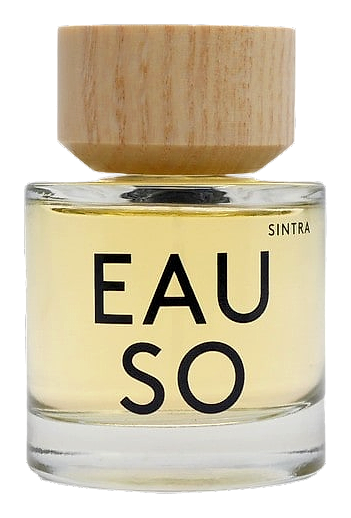
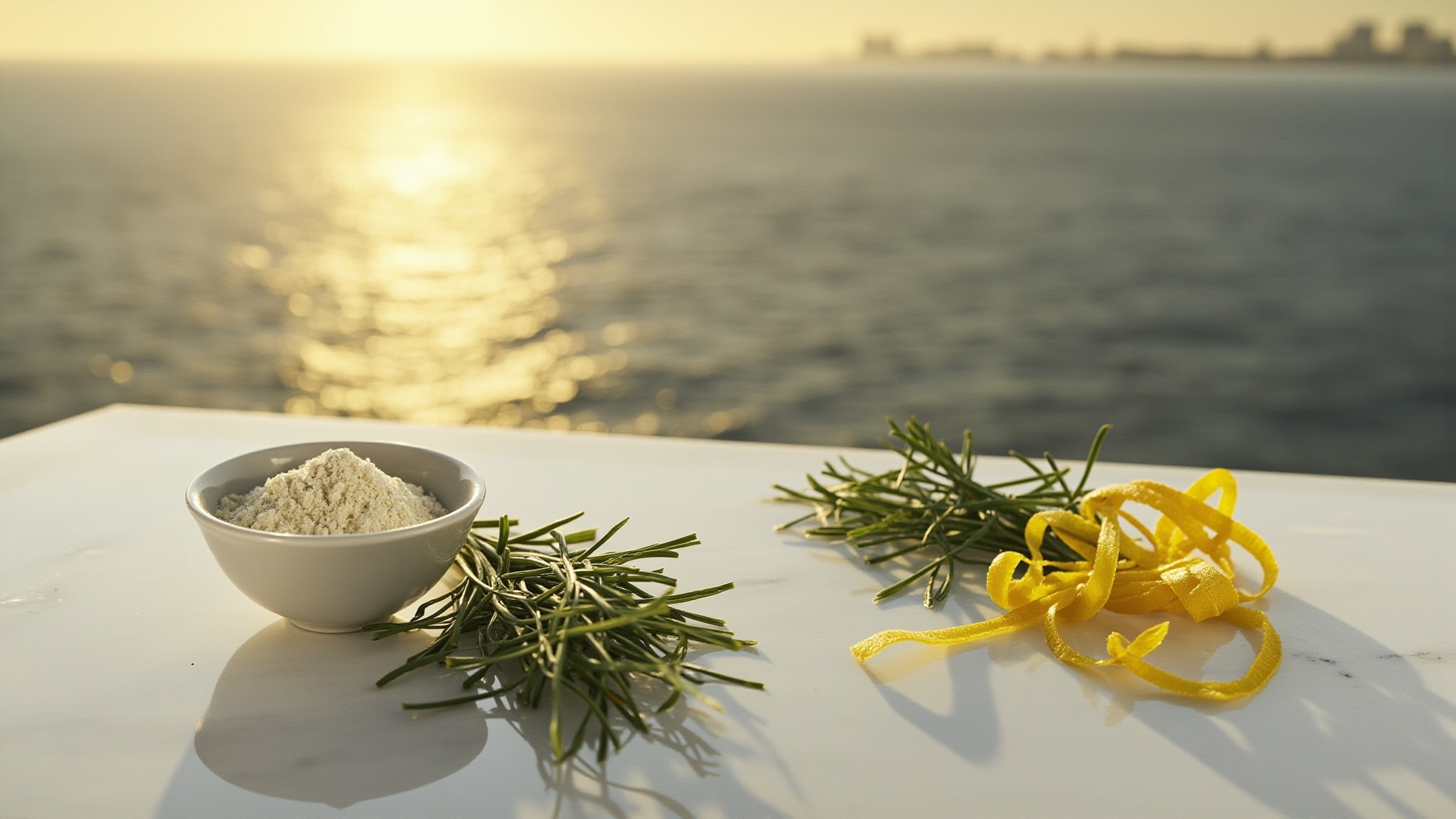
Sintra is a coastal municipality in Portugal, where the Atlantic presses against steep cliffs and the air carries salt, warmth, and the green scent of things growing in difficult soil. The fragrance takes its name from that landscape, not a postcard version, but the actual feeling of standing there as the light changes. Pascal Gaurin composed Sintra as an olfactory portrait of that moment: the meeting of ocean and land, where bergamot and lemon catch the initial citrus brightness before the florals arrive to complicate things. Lavender, mimosa, and ylang-ylang form the heart, a combination that manages to feel both clean and richly layered at once. The base is where Sintra earns its name. Vetiver, sandalwood, and orris root ground the florals into something that reads as earthy rather than sweet. Musk lingers close to skin, leaving a trace that surprises.
The combination of Provençal lavender with French mimosa and Madagascan ylang-ylang is unusual. Lavender tends to push compositions toward the masculine or the soapy. Mimosa adds a waxy, honeyed quality. Ylang-ylang brings warmth and a slightly indolic creaminess. Together, they create a heart that feels simultaneously clean and intimate, not the sharp clarity of a bar of soap, but the soft warmth of skin after a long day. The base is where Sintra differentiates itself from other aquatic-woody compositions. Vetiver provides earthiness without heaviness. Sandalwood adds warmth and a creamy woodiness. Orris root contributes a powdery, iris-like quality that bridges the florals and the woods.
The evolution
The opening is citrus-forward and surprisingly bright. Bergamot and lemon arrive together, with the florals arriving within minutes to complicate the picture. That early phase lasts perhaps 20-30 minutes before the heart takes over. The heart is where Sintra becomes itself. Lavender leads, but it's not the sharp, medicinal lavender of men's products. The Provençal origin gives it a softer, more herbaceous quality. Mimosa adds sweetness without saccharine. Ylang-ylang brings a tropical warmth that keeps the composition from reading as austere. This phase lasts the longest, 2-3 hours on most skin types. The drydown is where vetiver and sandalwood assert themselves. The florals recede, but a ghost of them remains, softened by musk, warmed by sandalwood. Vetiver adds an earthy, slightly smoky quality that grounds the composition. This phase can last 2-3 more hours, lingering close to skin long after the florals have faded. On fabric, it disappears faster. On skin, it lingers into the evening.
Cultural impact
Sintra occupies an unusual position in the independent fragrance landscape, aquatic enough to feel contemporary, woody enough to feel grounded, floral enough to feel intimate. The mimosa-lavender combination in the heart is distinctive, neither purely masculine nor feminine. Wearers describe it as the scent of someone who doesn't announce themselves, present but not demanding.