


Heritage
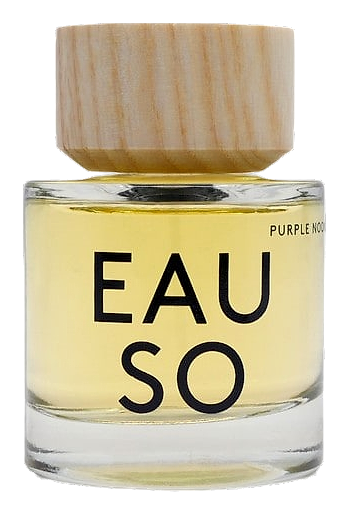
A house, in its own words
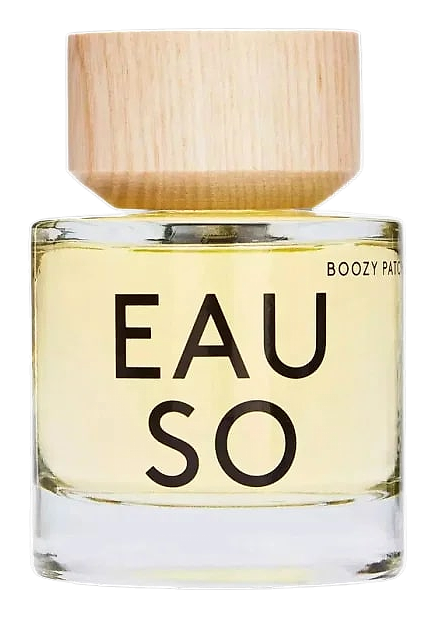
Tanya Gonzalez and Faye Harris co-founded Eauso Vert. Both women have backgrounds in creative industries outside of perfumery. Gonzalez previously worked in marketing while Harris focused on event production and brand development. Their partnership emerged from shared interests in scent, identity, and the cultural weight carried by fragrance. The brand name itself, Eauso Vert, hints at the founders' bilingual perspective and their interest in layering meaning into language. The house emerged during the early 2020s, a period when independent fragrance brands were gaining visibility through social platforms and direct-to-consumer channels. Gonzalez and Harris built Eauso Vert with stated commitments to intentional development and narrative-driven scent creation. Their approach positioned each fragrance as a vehicle for storytelling rather than a product designed primarily for commercial appeal. The brand gained traction through platforms like TikTok, where founders shared the story behind the house and its scents. Harris appeared in videos discussing fragrance development and the Mexico City inspiration behind at least one release. The house has been featured in fragrance subscription services and independent editorial coverage, expanding its reach beyond initial word-of-mouth audiences. In recent years, the brand has been recognized with industry attention. The founders attended UK fragrance industry events and have been featured in fragrance award celebrations, according to available coverage. The brand maintains a profile that centers on specificity rather than scale, developing a catalog of scents that each carry distinct conceptual frameworks and olfactory directions. Eauso Vert operates from a creative philosophy grounded in the idea of the un/familiar, a term the founders use to describe the space between what a wearer recognizes and what surprises them. This framing shapes how each fragrance is developed, with the brand seeking to create scents that feel simultaneously known and strange, grounding the wearer while unsettling expectations. The founders describe their work as an exploration of cultural influences that have shaped fragrance history but remained underrepresented in mainstream perfumery. This suggests a deliberate engagement with non-Western olfactory traditions and materials that fall outside the dominant French-Italian perfume canon. The brand does not describe itself using industry-standard positioning language like niche or artisan, instead allowing the work to be categorized by those encountering it. Consciousness in perfumery is a stated pillar of the house. This appears to refer to intentionality in ingredient selection and formulation rather than a specific certification or standardization approach. The brand has not published third-party sustainability audits or formal ethical sourcing declarations, so this dimension of the philosophy should be understood as an ongoing commitment rather than a verified process. The house treats each fragrance as a standalone narrative. Scents like Fruto Oscuro, Dos Mil Años, and Purple Noon each carry distinct conceptual anchors, often rooted in specific places, memories, or cultural references. This approach prioritizes depth of meaning over broad market appeal, aligning with the founders' stated desire to make fragrance that rewards attention and repeated wearing.