The Story
Why it exists.
The beginning
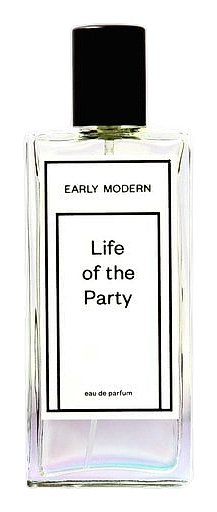
Life Of The Party began with a question Clara Weale kept asking her archive: what did celebration actually smell like before perfumed candles and bottled spirits entered the picture? Early Modern gave her the room to follow it. The brand's wider project translates aromatic practices into modern compositions, so Weale pulled from period sources rather than the usual playbooks. Greens, citrus, resinous woods, the blossoms pressed into garlands, the cardamom threaded through cordials, all of it showed up in those references. Those are the same materials she'd eventually lay down in this 2020 release, drawn straight from the early modern idea that perfume was part of how a gathering got made, not something you sprayed on afterward.
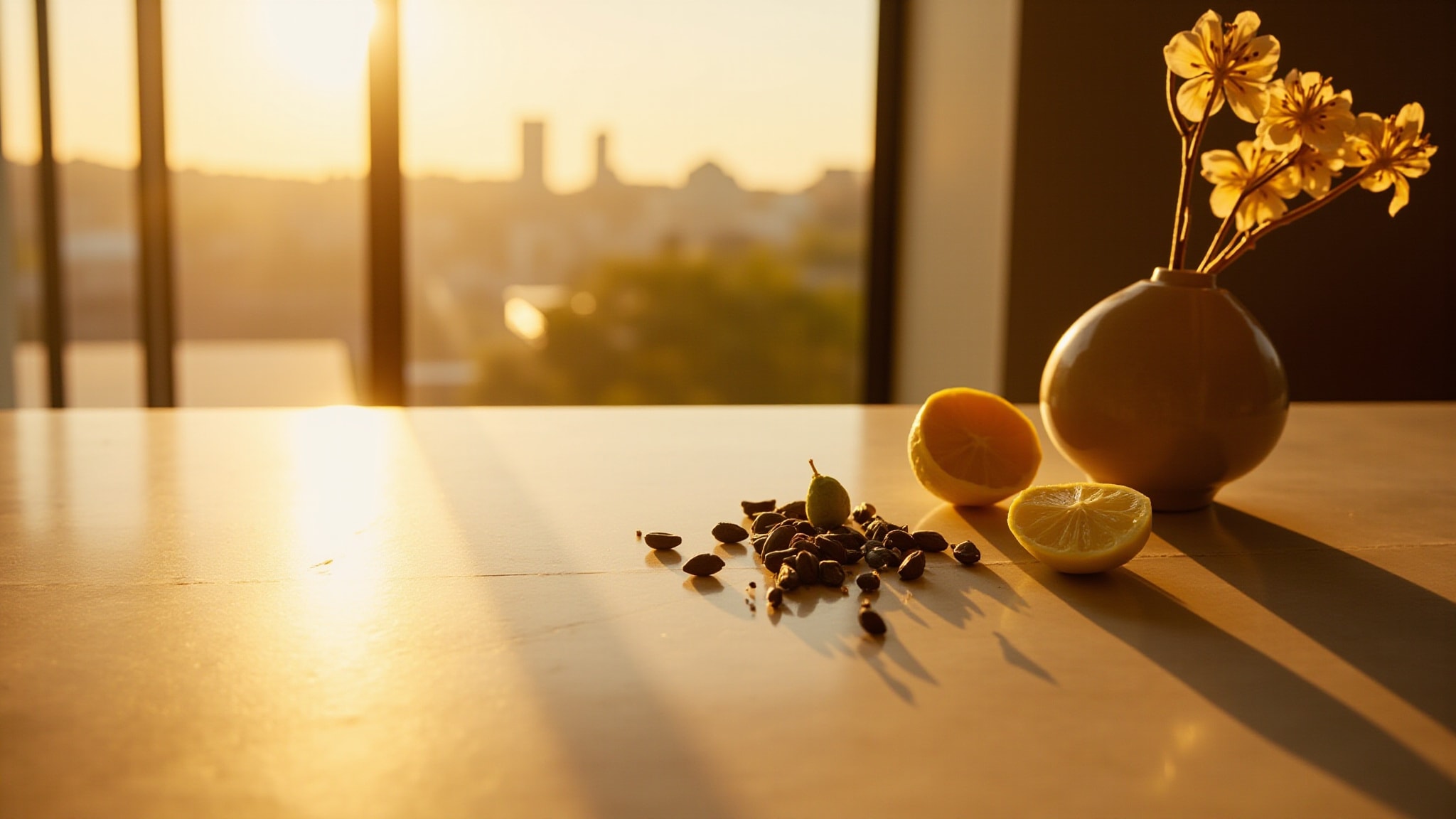
The structure here is deliberately small, which is part of what makes it read so cleanly. Cardamom, lemon, and orange blossom sit on top. Jasmine sambac and amber carry the middle. Sandalwood runs underneath and keeps running. There is no leather, no oud, no smoke added to complicate it. That kind of restraint gives the composition room to breathe, a handful of good materials layered properly rather than a dozen for show. The cardamom placement matters too.
The evolution
The first thirty minutes are all snap and lift. Lemon and orange blossom rush in cold, almost like the drink in your hand before you remembered to pick it up. Cardamom sits underneath, warm but quiet, waiting. Then the jasmine sambac starts pushing through. Not sweet, not indolic, just present, like warmth rising off someone standing next to you in a crowd. The amber shows up smudging the edges of the florals so nothing reads too clean or too sharp. After about two hours the sandalwood takes the wheel. It doesn't wallow or get heavy. It just makes everything sit closer to the skin, a slow settling that pulls the composition inward without losing its shape. What's left is that sandalwood, the faint ghost of orange blossom, and a quiet trace of cardamom cooling down.
Cultural impact
Within the small world of Early Modern's catalog, Life Of The Party reads as the bright, extroverted counterweight to more somber house compositions. It suggests a wearer who treats fragrance as social equipment rather than personal armor: something you put on for a room full of people, not a quiet evening alone. The composition's emphasis on cardamom and orange blossom over heavier resins gives it a lift that feels more celebratory than contemplative. Wearers who reach for it tend to want a fragrance that holds its own in a crowd without flattening the air around them.
The House
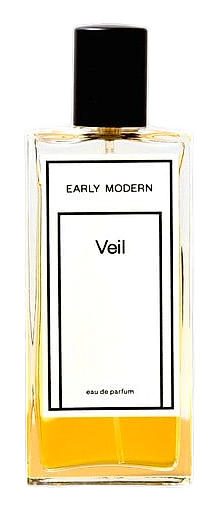
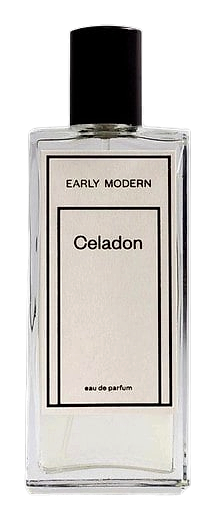
Early ModernEarly Modern is a niche fragrance house that translates the olfactory sensibilities of the 1440 to 1660 period into contemporary wearable compositions. The brand takes its name from the historical era between the Middle Ages and the Industrial Revolution, a time when perfume shifted from ceremonial and medicinal uses toward personal adornment. Four fragrances have emerged from this practice: Celadon, Pavilion Pavilion, Life Of The Party (2020), and Veil (2020). Each release explores a different facet of early modern scent culture, using historical research as its foundation. The house operates with a quiet confidence, releasing limited editions that appeal to collectors and scholars of fragrance history alike.
The Creator
Clara WealeWeale's work resists easy categorization. She's drawn to unconventional materials and unexpected source material—the kind of olfactory ideas that challenge assumptions about what perfume should smell like.