The Story
Why it exists.
The beginning
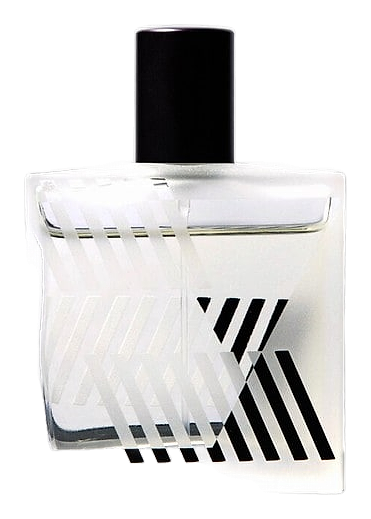
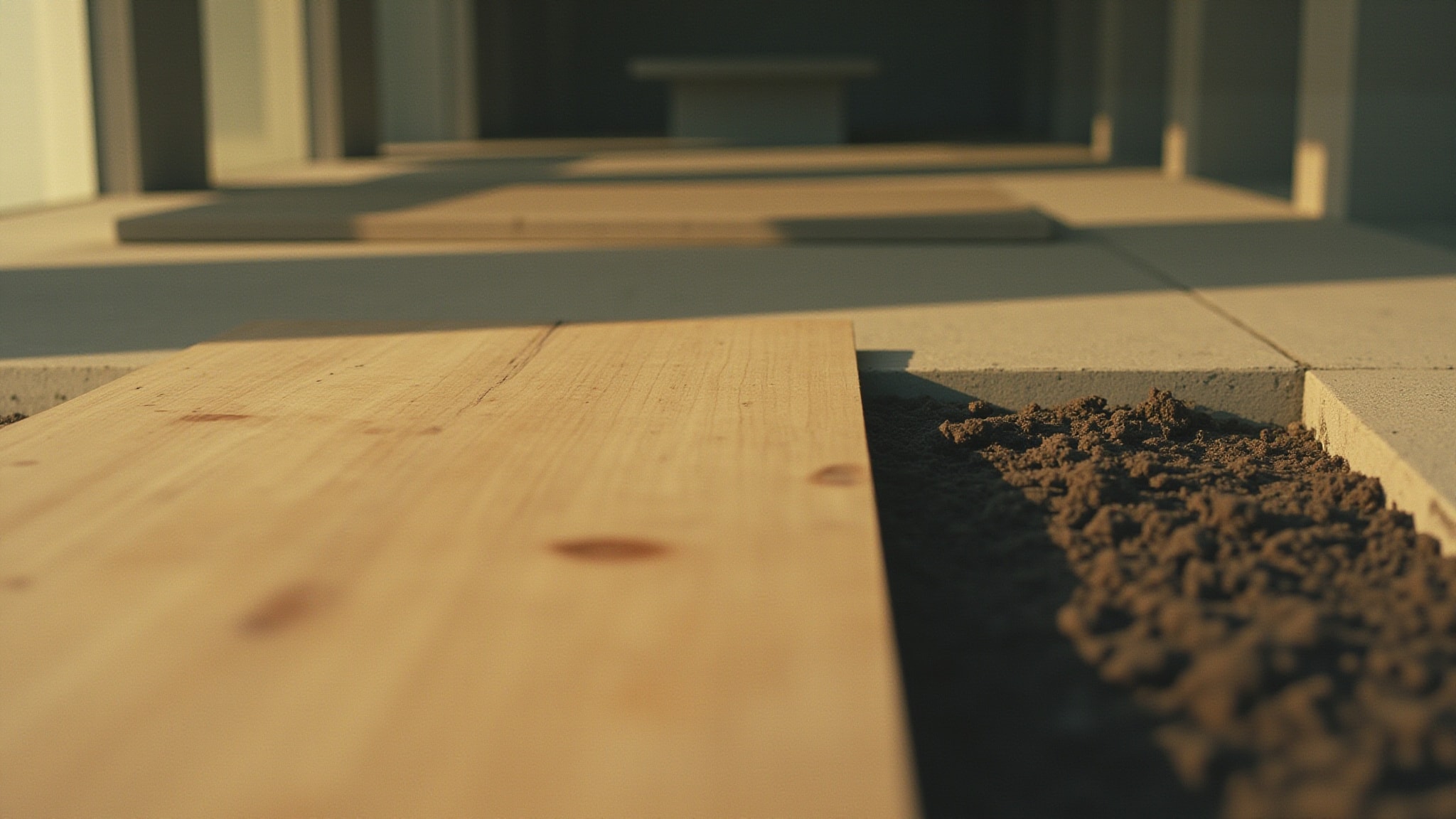
Pavilion Pavilion began as a conversation about architecture, about how to translate the feeling of a monument into scent. Clara Weale created it for Early Modern in 2020, and the result is a meditation on buildings caught out of season: emptied of people, filled instead with their own concrete essence. The name repeats itself the way an echo repeats against stone walls, a doubling that suggests absence as much as presence. Forty bottles exist. On skin, the opening moves with a quiet, mineral coolness, something that reads as stone before it reads as anything botanical. Texas cedar arrives with a dry, resinous grain that feels both sawn and standing, while galbanum cuts through with a sharp, almost metallic green.
The composition works because it refuses to choose between the natural and the constructed. Texas cedar appears as living forest and as sawn lumber, offering something that smells simultaneously grown and fabricated. The soil tincture grounds everything in the literal earth, an almost subterranean dampness that anchors the brighter notes and keeps them honest. Galbanum adds that sharp, metallic green that hits the back of the throat like cold air in an empty atrium, and it lingers long after the other top notes have softened.
The evolution
The first minutes are sharp, almost confrontational. Galbanum hits first, green and metallic, the way the air tastes in a concrete structure that's been closed up too long. Then the soil tincture arrives, damp and mineral, and the whole thing reads like walking into a damp basement where cedar boards are stacked against the wall. The tobacco doesn't reveal itself immediately. It lurks. Around the thirty-minute point, the sharp green softens into something warmer, and the cedar stops smelling like cut lumber and starts smelling like old growth, like the forest the lumber came from. By hour two, the composition has shifted entirely. The green has receded. The tobacco is now the dominant voice, smoky and a little sweet, and the soil tincture has deepened into something almost like cold earth in late autumn. The drydown lasts quietly for hours, a whisper of cedar and tobacco and that persistent mineral thread. What lingers longest is the sense of the building itself, the architecture, the weight of it.
Cultural impact
Pavilion Pavilion was released as a limited edition of just 40 bottles in collaboration with artist Jack Brindley, and that scarcity is part of how it reads. With so few bottles in existence, the fragrance feels closer to an object than a product, something made to be considered rather than consumed at scale. The collaboration with a visual artist signals a way of working where the bottle, the juice, and the concept all carry equal weight, and where the small edition size is a deliberate choice about how a fragrance enters the world.
The House
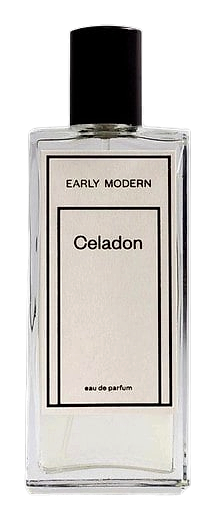
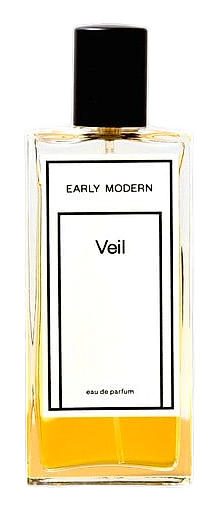
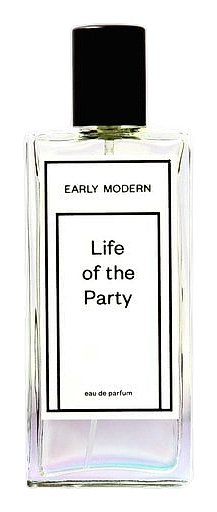
Early ModernEarly Modern is a niche fragrance house that translates the olfactory sensibilities of the 1440 to 1660 period into contemporary wearable compositions. The brand takes its name from the historical era between the Middle Ages and the Industrial Revolution, a time when perfume shifted from ceremonial and medicinal uses toward personal adornment. Four fragrances have emerged from this practice: Celadon, Pavilion Pavilion, Life Of The Party (2020), and Veil (2020). Each release explores a different facet of early modern scent culture, using historical research as its foundation. The house operates with a quiet confidence, releasing limited editions that appeal to collectors and scholars of fragrance history alike.
The Creator
Clara WealeWeale's work resists easy categorization. She's drawn to unconventional materials and unexpected source material—the kind of olfactory ideas that challenge assumptions about what perfume should smell like.