
The Story
Why it exists.
The beginning
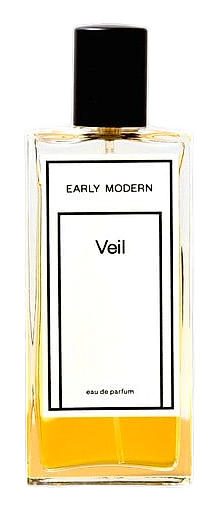
Veil opens a question that has no easy answer: what did warmth smell like before central heating? The answer lives in the tension between honeyed wax and birch tar smoke, between leather shoes and bare feet on cold stone. This isn't a love letter to nostalgia, it's an honest reconstruction of a feeling. The cold isn't romantic. The warmth isn't sentimental. They're just two things that smell different, and putting them together is the whole point. The honeyed wax carries something slightly animalic beneath its sweetness, while the birch tar adds a mineral smoke that grounds everything in something ancient and grounded.
The beeswax is the quiet foundation. It carries a depth that goes beyond simple sweetness, a waxy richness that feels both warm and slightly wild. Birch tar pushes it further, adding a smoky mineral quality that reads as outdoor cold even as the honey pulls you back toward the hearth. The combination creates something that refuses easy categorization: not quite comfort, not quite austerity, but occupying the space between. The leather arrives quietly, threading through the composition and adding a subtle warmth that feels worn and familiar.
The evolution
The opening is close and bright, honey and eucalyptus, almost medicinal in its coolness before the beeswax begins to soften the edges. The smoke follows, not the roaring smoke of a campfire but something quieter, like embers banked for the night. The leather arrives next, settling into the composition, and birch tar adds its mineral depth as the whole thing moves toward a warm amber that stays intimate and close for hours. What lingers longest is the labdanum-resin base: a faint sweetness that survives hand-washing and haunts wool coats the next morning. The fragrance evolves slowly on skin, each stage arriving without sudden shifts, the cooler elements giving way gradually to warmth that feels earned through patience.
Cultural impact
Early Modern emerged from a practice of translating historical scent culture into contemporary compositions. Veil occupies a specific niche within this approach, combining warm honeyed materials with cooler, more austere elements. Its eucalyptus opening provides a brief medicinal coolness before settling into amber-wax warmth, a structural choice that rewards patience rather than immediate gratification. The composition balances sweetness with smoke and mineral depth, creating something that avoids the obvious while remaining accessible.
The House
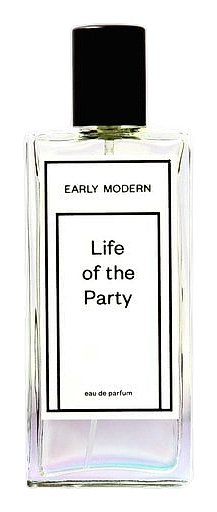
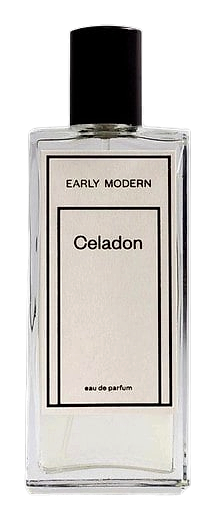
Early ModernEarly Modern is a niche fragrance house that translates the olfactory sensibilities of the 1440 to 1660 period into contemporary wearable compositions. The brand takes its name from the historical era between the Middle Ages and the Industrial Revolution, a time when perfume shifted from ceremonial and medicinal uses toward personal adornment. Four fragrances have emerged from this practice: Celadon, Pavilion Pavilion, Life Of The Party (2020), and Veil (2020). Each release explores a different facet of early modern scent culture, using historical research as its foundation. The house operates with a quiet confidence, releasing limited editions that appeal to collectors and scholars of fragrance history alike.
The Creator
Clara WealeWeale's work resists easy categorization. She's drawn to unconventional materials and unexpected source material—the kind of olfactory ideas that challenge assumptions about what perfume should smell like.