The Story
Why it exists.
The beginning
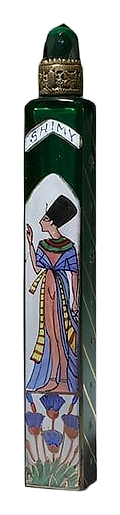
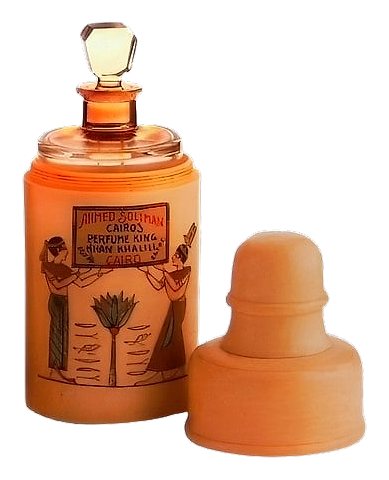
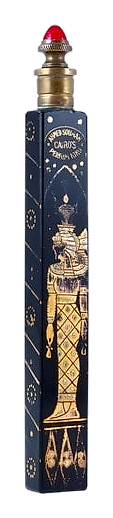
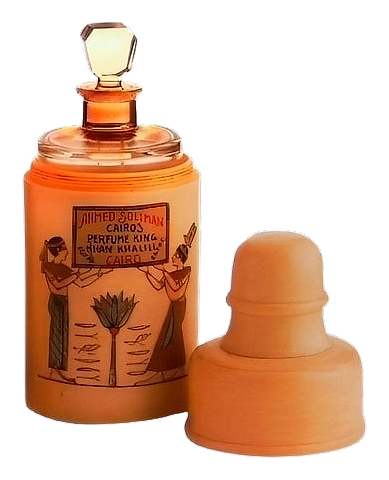
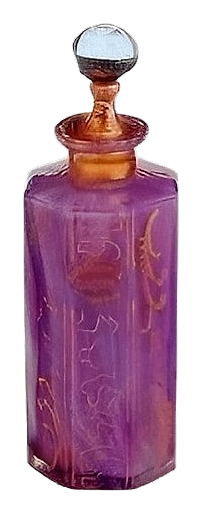
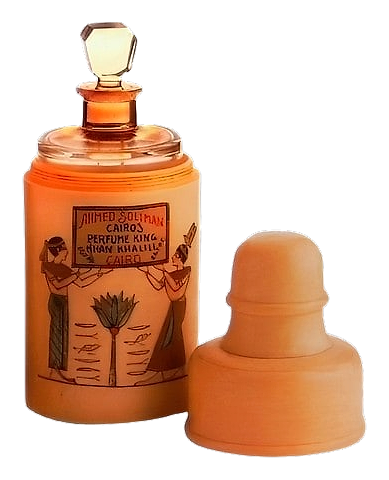
Ahmed Soliman was known as Cairo's Perfume King, and he built his catalog the way the traders around him built theirs, one material at a time, no apologies. Sandalwood was released in 1925 as part of that catalog, an alcohol-free composition built almost entirely around the wood itself. No bridging florals, no softening vanilla. Just sandalwood, presented the way the trade had always known it: warm, resinous, direct. The catalog reads as a study in singular materials, each entry committed to letting one note carry the full weight of the composition. Soliman's approach treated sandalwood not as an ingredient to be folded into a larger architecture but as a finished statement, a material given room to speak for itself without translation or embellishment.
What's worth understanding here is what the composition refuses to do. Soliman's Sandalwood doesn't play the role of a supporting player. It stands alone, presenting the wood as the entire composition rather than as a foundation for something else. The accords listed, woody, powdery, warm spicy, balsamic, aromatic, aren't separate ingredients layered on top of one another. They read as facets of the same material, the way a piece of wood shows different grain depending on how the light hits it.
The evolution
On first application, the sandalwood announces itself the way freshly cut timber does, dry, almost papery, with a faint green edge that quickly burns off. The powdery facet surfaces early in the wear, though it reads as something older than cosmetic powder. Dust from a carpenter's shop, fine wood residue, the ghost of incense left in an enclosed room. The warmth arrives gradually, not as sweetness but as body heat transferred to wood, the way a prayer bead warms in a closed hand. As the hours pass, the balsamic quality deepens into something that reads almost like dried resin without ever crossing into sweetness. The drydown settles into a close-wearing thread of warm, dry wood, reduced and meditative, something that registers more as presence than as projection. The composition stays close to the skin throughout, an intimate register that rewards the wearer rather than the room.
Cultural impact
Sandalwood sits within a catalog of concentrated attars from Ahmed Soliman's workshop in Cairo, compositions that prioritize raw aromatic materials over blended formulations. The house's output reflects an approach to perfumery in which single materials are given room to express their full character, treated as finished compositions rather than building blocks for something more complex. Soliman's reputation as Cairo's Perfume King grew from this commitment to letting the materials speak for themselves, and Sandalwood remains one of the catalog's defining statements.
The House
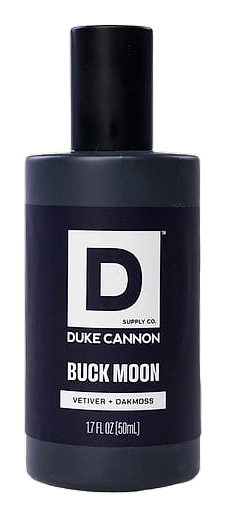
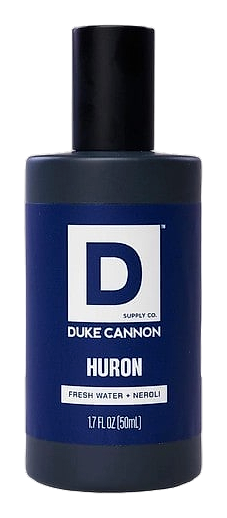
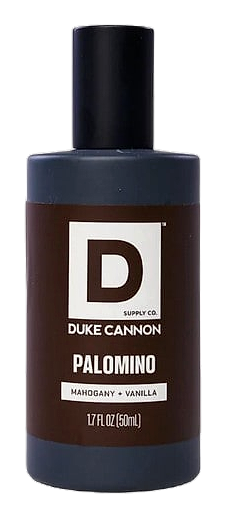
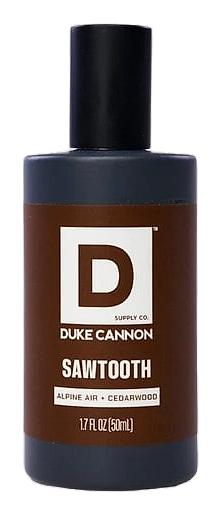
Duke CannonDuke Cannon Supply Co. builds grooming essentials for men who appreciate substance over pretense. Born in 2011, the Minneapolis brand brings a distinctly no-frills sensibility to personal care, including a Proper Cologne line of eau de parfum sprays and solid colognes. Each scent leans classic, woody, and earthy, designed to be noticed up close rather than announced from across the room. The result is a fragrance wardrobe that feels grounded, practical, and quietly confident.
The Creator
Ahmed SolimanSoliman's surviving signatures all orbit around amber in its heavier, resinous form, the kind of saturated base note that defined mid-century Egyptian perfumery before lighter Western styles reached the market in force. He built on this foundation with classic supporting acts:…