
The Story
Why it exists.
The beginning
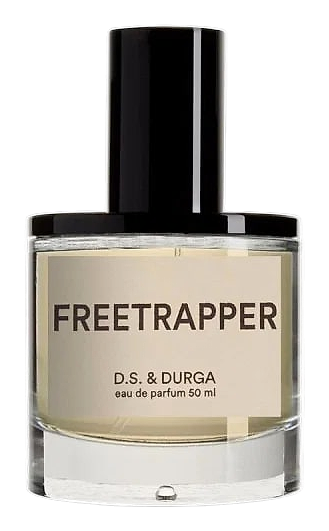
Free trappers were the mountain men of the Jacksonian era, renegades who cut trails through the American wilderness in search of beaver pelts before cowboys ever existed. David Seth Moltz named Freetrapper for them. This was the fragrance for the one who went first, who mapped the territory before anyone else arrived. Released in 2011 by the Brooklyn-based perfumer, it translates that spirit of independent movement into scent, dark cedar, pine, wild bergamot, and snakeroot. Moltz composed it the way he approaches all his work: as a translation of a specific feeling into olfactory form. The feeling here is the hour before a fire catches, cold air, wood smoke, the moment something turns.
What makes Freetrapper work is the tension between the bright citrus top and the dark woody base. The bergamot and bitter orange open clean and almost sharp, but the frankincense underneath adds something resinous, not sweet, not warm, just present. That's the free trapper moment: the transition from cold to fire. In the heart, the Virginia cedar and osmanthus do something unexpected. Osmanthus is usually a floral material, softly sweet, but here it pairs with cedar in a way that reads more mineral than floral, like the smell of dried botanicals pressed in a field notebook. The base brings amberwood and sandalwood, which round the edges and keep the whole composition from going too sharp.
The evolution
The opening hits fast, bergamot and bitter orange spark against the skin for maybe twenty minutes before the frankincense kicks in. That incense note is the first signal that this isn't a clean citrus fragrance. It lingers under the citrus for the first hour, almost hidden, then gradually overtakes as the top notes thin. The heart phase is where Freetrapper becomes itself. Virginia cedar takes over, dark and dry, with the osmanthus adding a dusty floral undertone that adds unexpected complexity to the woody foundation. This is the phase that lasts the longest, a sustained presence of deep conifer that sits close to the skin but projects steadily throughout its wear. The drydown settles into amberwood and sandalwood, with the castoreum adding a quiet animalic warmth that doesn't announce itself.
Cultural impact
Freetrapper presents the American frontier as an olfactory concept. It captures something of the open range, the dusty trails, and the quiet intensity of wide-open spaces without falling into the trap of obvious Western clichés. The fragrance arrived with a different character than many of the smoky-cedar scents that would follow in its wake, feeling less constructed and more instinctive in its composition. There's an understated confidence to the scent, a quality that suggests self-assurance rather than any need for external validation.