
The Story
Why it exists.
The beginning
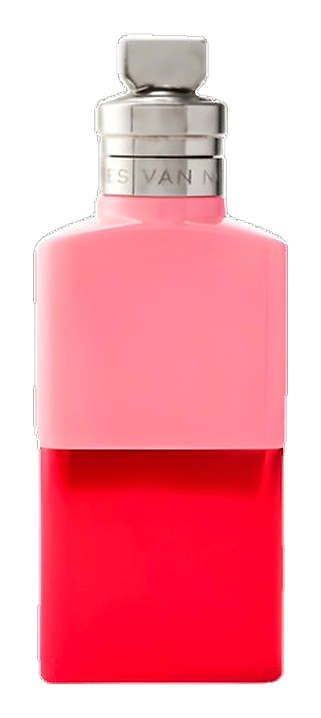
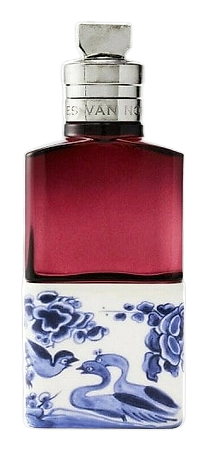
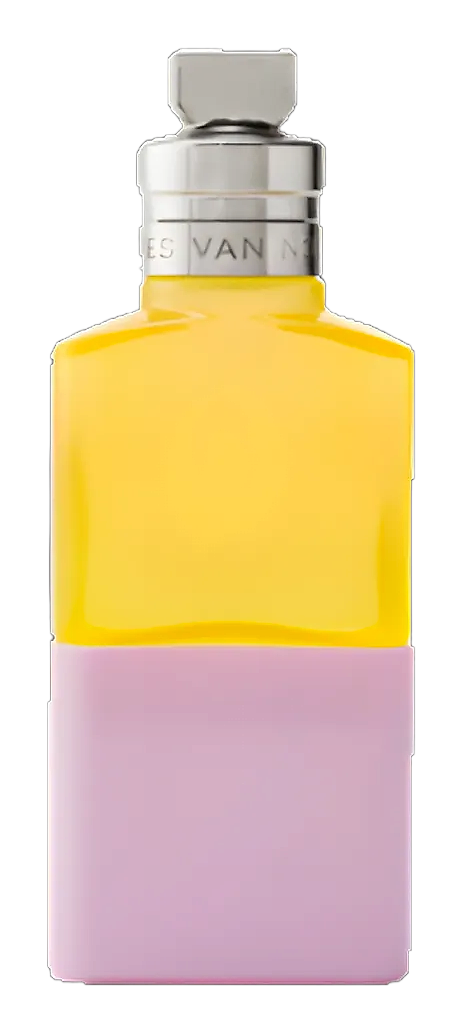
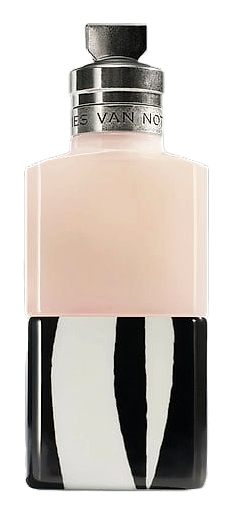
Rosa Carnivora arrived in 2022 as part of Dries Van Noten's fragrance collection, developed under the Puig partnership that gave the Belgian house commercial infrastructure for its fragrance ambitions. The perfumer behind it was Daphné Bugey, who translated the brand's fashion philosophy into a composition that treats the rose as something other than delicate. Bugey worked with vetiver sourced from Haiti, earthy and root-like in a way that challenges the rose's sweetness rather than serving it. The name says it all: a carnivorous rose. Not a contradiction, a character study.
What makes the structure interesting is the negotiation between opposing forces. The Centifolia rose wants to be soft, velvety, almost decadent. The Haitian vetiver wants to be mineral, root-like, and dark. Neither wins. Instead, they push against each other until the rose absorbs the earthiness and the vetiver takes on a floral sweetness it didn't start with. The pink pepper in the top is the translator, a quiet spice that keeps the opening from feeling like a cliché. By the time labdanum arrives in the base, the composition has transformed twice, and what you're left with is neither the rose you expected nor the vetiver you feared.
The evolution
The opening hits within seconds, Damask rose, immediate and unapologetic. The pink pepper arrives fast, threading through the petals like a whisper of something sharp. The vetiver emerges as the composition develops: not the clean vetiver of barbershops, but the root, the soil, the damp earth after rain. The rose doesn't disappear, it deepens, takes on a chewy, musky quality that some wearers compare to black licorice or the anise note in certain spirits. The drydown is where this fragrance earns its name. Patchouli and labdanum create a warm, resinous backdrop that lingers close to the skin. The vetiver never fully leaves, it's the quiet presence underneath everything, the thing that makes this rose different from every other rose you've smelled.
Cultural impact
Rosa Carnivora sits in a lineage of rose-vetiver compositions alongside Le Labo's Rose 31. The fragrance appeals to a wearer who wants the intellectual challenge of vetiver without giving up the beauty of rose. The comparison to Rose 31 is inevitable, both building their structures around this particular pairing, but each takes a different direction. Where some rose fragrances seek to soften or beautify their vetiver, Rosa Carnivora lets the earthiness lead. The result is a fragrance that asks something of you, that offers its complications as an invitation rather than a barrier.