The Story
Why it exists.
The beginning
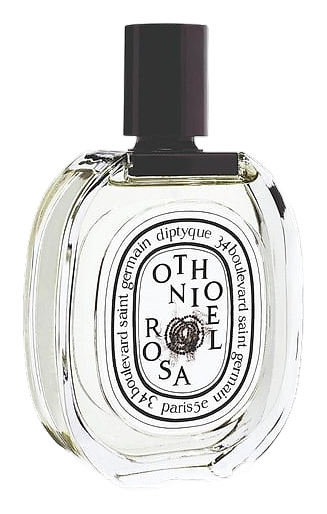
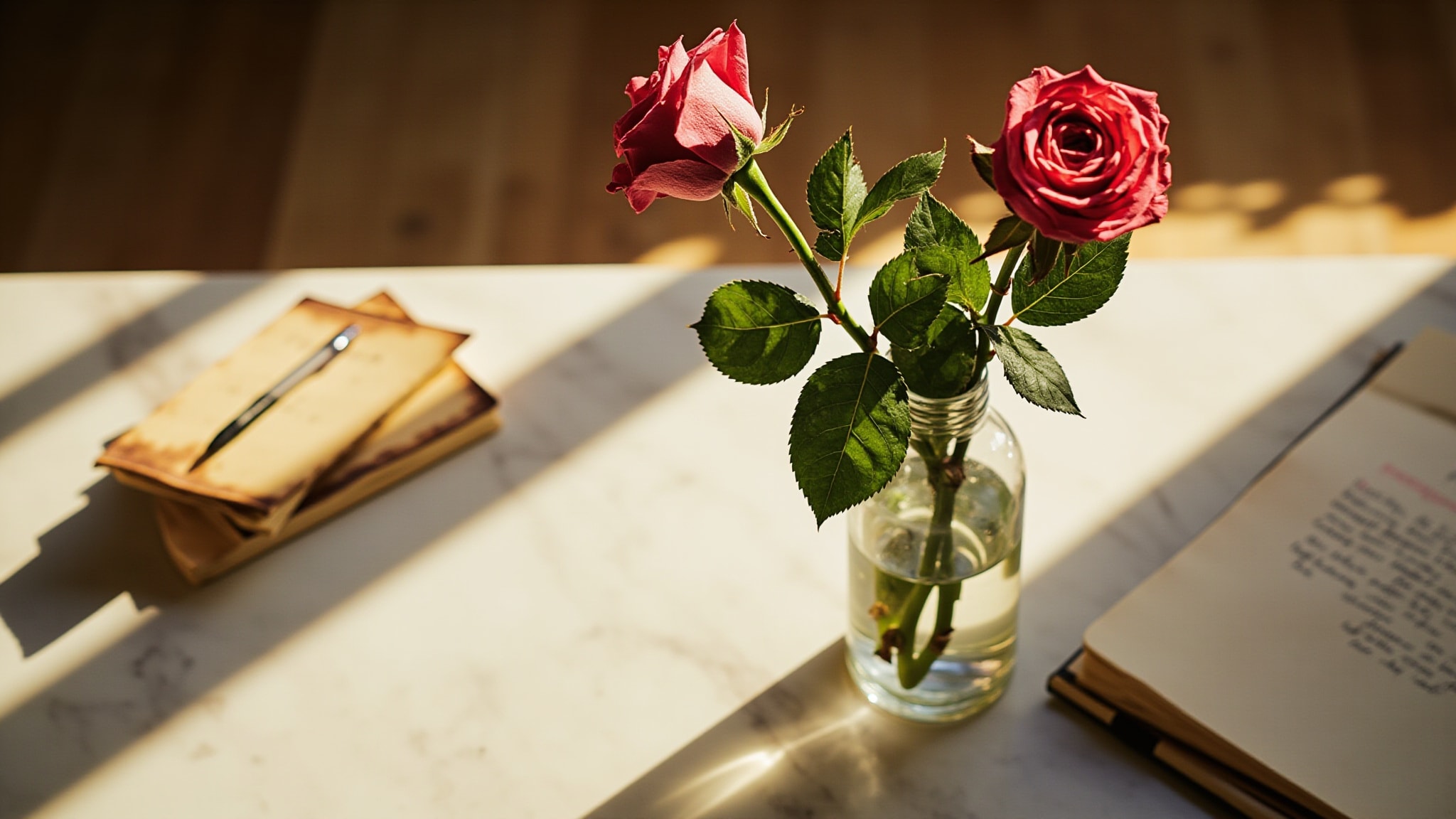
Othoniel Rosa takes its name from Jean-Michel Othoniel, the French sculptor whose blown-glass bead works hang in collections from Versailles to Seoul. Diptyque has long blurred the line between fragrance and art, this collaboration is less partnership, more inevitable intersection. Louise Turner built the composition around a tension: the cool, almost mineral quality of a rose grown in cold soil, against the warmth of woods that refuse to let go. It's not a romantic rose. It's a rose with something to say.
What makes this work is restraint. The rose doesn't bloom into sweetness, it stays sharp, almost austere, held in check by black pepper and grounded by vetiver's earthiness. Akigalawood, Diptyque's proprietary warm-wood accord, gives the base a quiet authority rather than sweetness. Ambrette (musk mallow) adds a soft, seed-like quality that keeps the drydown from becoming heavy. The structure is unusual: most rose fragrances lean into warmth. This one starts cold and stays cool, even as it develops depth.
The evolution
The opening hits bright and dry, black pepper with an edge, no warmth yet. Within minutes, the rose pushes through, but it's not the velvety rose of a hundred other fragrances. This one smells like rose stems after rain, green and cool. The pepper doesn't disappear, it softens, becomes a background hum rather than a foreground bite. Around the two-hour mark, the vetiver arrives. Earthy, slightly smoky, it takes over from the rose and anchors everything that follows. The base settles into something close to skin, intimate rather than projecting. Eight to ten hours later, on most people, there's a quiet warmth left, the ghost of the rose, the memory of the pepper, and vetiver that just doesn't want to leave.
Cultural impact
Othoniel Rosa arrived at a moment when contemporary perfumery was reexamining the rose. Where commercial rose fragrances leaned into warmth and sweetness, this Diptyque collaboration with French sculptor Jean-Michel Othoniel took a different path. Othoniel's glass bead sculptures, known for their cold beauty and architectural precision, informed the scent's austere character. The collaboration represents a rare instance where a fine artist directly shaped a fragrance's development rather than lending their name. This cross-disciplinary approach reflects Diptyque's broader artistic heritage, connecting the perfume house to the gallery world that has long been part of its Paris identity.