
The Story
Why it exists.
The beginning
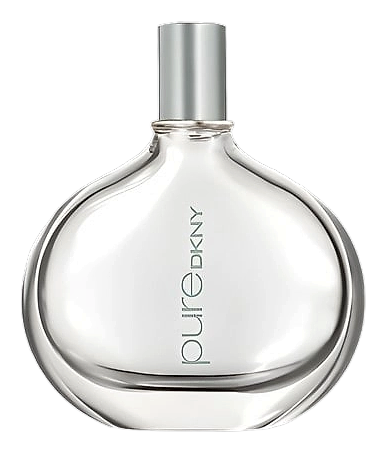
In 2010, Donna Karan partnered with CARE on an initiative that sourced Ugandan vanilla, a specific, creamy varietal, as the singular anchor of Pure DKNY. The partnership wasn't cosmetic. It was designed to support women in Uganda, helping them work, educate, and provide for their families through dignified employment. The fragrance's name reflects this intention: pure, in every sense. A single key ingredient. A clear purpose. A direct connection between the bottle and the people who grew what went inside it.
What makes Pure DKNY's structure unusual is the vanilla serving dual roles: bright and almost aquatic at the opening, then warm and skin-like in the drydown. The heart florals, freesia, lotus, orchid, Bulgarian rose, don't compete with each other. They layer. Cool over warm. Translucent over intimate. The white amber and sandalwood base doesn't arrive dramatically. It simply settles, softening the composition into something that stays close to skin rather than projecting outward. The pyramid is small on purpose. Ugandan vanilla is the point. Everything else exists to frame it.
The evolution
It opens with vanilla that smells like a vanilla bean before it's opened, bright, clean, slightly green. The dewdrop florals arrive quickly: lotus first, then Bulgarian rose appearing as a soft pulse beneath the surface. For the first hour, it's a study in cool transparency. The transition happens gradually. Freesia and orchid take over the heart, adding an exotic softness that shifts the composition from crisp to warm. By hour two, the white amber announces itself, not loud, not sweet, just present. Sandalwood grounds everything. The vanilla that opened bright has settled into something skin-like, intimate, almost powdery. On fabric, it lasts longer than on skin, up to two days, warming slightly with each wearing. By the final hours, it reads as the smell of clean skin, not perfume.
Cultural impact
Pure DKNY launched in 2010 with a social mission baked into its formula. The CARE partnership sourcing Ugandan vanilla wasn't just ethical branding, it tied the fragrance's identity to the people who grew its key ingredient. The packaging followed suit: 100% recyclable glass, carton that decomposes easily. Wearers described it as a clean, non-aggressive floral that felt both feminine and honest, a quiet counterpoint to the louder Orientals and fruity florals dominating the era.