
The Story
Why it exists.
The beginning
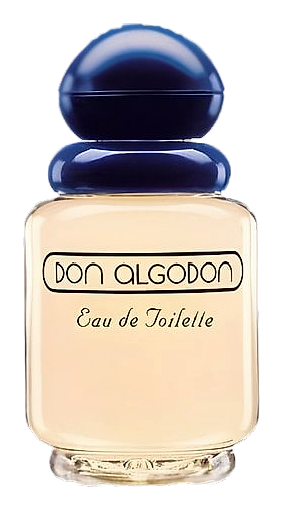
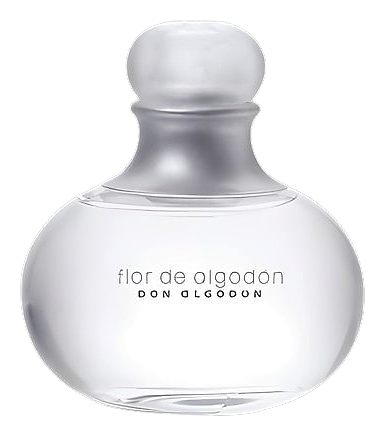
In 2004, Ramon Monegal was given a deceptively simple brief: translate the feeling of cotton into something you could wear. Not the fiber itself, cotton has no scent. What the brand wanted was the sensation of it. The warmth of skin underneath clean fabric. The comfort of something that doesn't try. Monegal built the composition around cotton flower as the conceptual anchor, interpreting the note through a lens of soft white florals and the cool-clean impression of freshly laundered material. It was a fragrance about a feeling, not a flower, and that distinction shaped everything that followed.
What makes this pyramid unusual is the restraint at the top and the warmth at the base. Most fruity-florals load the opening with brightness and let the heart carry the weight. Here, the citrus and green notes arrive quickly and step back, making room for the cotton flower, lilac, and lily of the valley to take center stage. The apricot and plum in the heart add a quiet sweetness that reads more as warmth than as fruit. Down at the base, coumarin provides that slightly hay-like, honeyed undertone that has always been the secret link between fresh laundry and warm skin. Musk and vanilla finish the job, leaving a soft trace that clings the way a favorite shirt does.
The evolution
The top notes arrive quickly, citruses and blackcurrant with a green lift from grass and magnolia. Bright without being sharp. There's an immediate cleanness to it, like opening a window on a warm morning. Within the first hour, the heart takes over. Cotton flower and lilac arrive together, followed by the softer arrival of lily of the valley. The apricot and plum add a faint sweetness that sits underneath everything, quiet and warm. By the third hour, the base notes emerge. Musk becomes the dominant feature, not animalic, just skin-like and present. Coumarin gives depth, a hint of hay and honey. Vanilla smooths everything into a comfortable warmth that lingers close to the skin for another few hours. The drydown is intimate by design. It doesn't fill a room. It leaves a trace, the way good fabric does.
Cultural impact
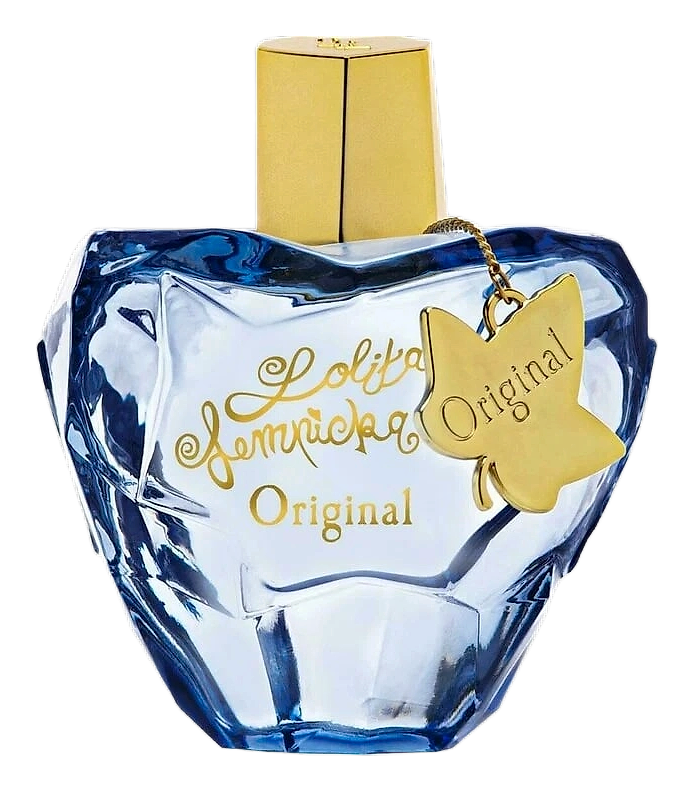
Flor de Algodon occupies a quiet space in Spanish fashion fragrance history. Released in 2004, it arrived during a period when accessible European fashion houses were building out lifestyle collections beyond clothing. The fragrance didn't aim for complexity or luxury positioning, it aimed to smell like the brand felt. Community reception has been steady rather than explosive, with wearers returning to it for its ease and its ability to feel personal without demanding attention. Comparisons to Lolita Lempicka appear in community discussions, though the two occupy different registers, Don Algodon's entry is warmer, softer, and less assertive.