The Story
Why it exists.
The beginning
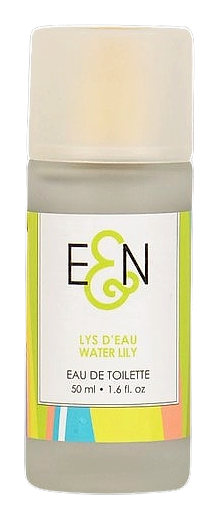
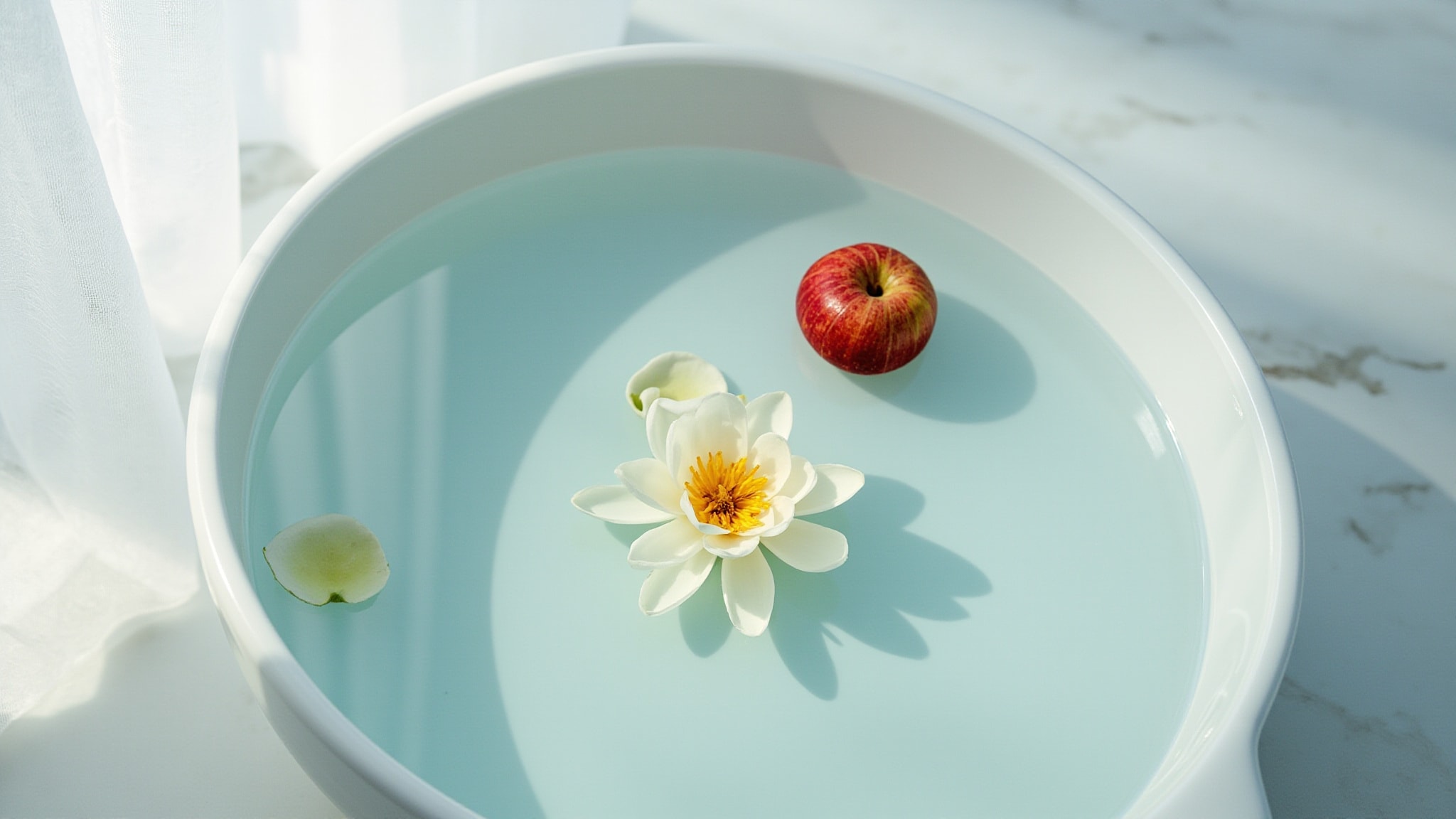
Lys d'Eau arrived in 2008 as part of Darphin's small, considered fragrance collection. Its name points directly to water and lily, and that watery floral idea gives the composition its shape. Red apple brings a crisp fruit accent, while iris introduces a powdery elegance familiar from fine cosmetics. Freesia, jasmine, and rose widen the floral heart, keeping it airy rather than lush. Vanilla settles underneath with warmth, and clove introduces a small spark of spice. Nothing about the note list is quiet on paper, yet together they create a polished study in contrast: water beside fruit, petals beside powder, sweetness beside spice.
The striking part is how many textures share the same space without becoming loud. Water lily and freesia carry a transparent floral lift. Iris brings a suede-like powderiness, jasmine and rose add depth, and red apple lends the brightness of freshly cut fruit. Clove interrupts the softness at its most effective, while vanilla keeps the composition grounded. The result reads less like a single bouquet and more like a carefully edited cosmetic ritual in scent form.
The evolution
On skin, the opening feels immediate and clean, led by water lily and red apple before the broader floral heart settles in. Freesia and jasmine carry more airy movement, while iris gives the middle a soft powdery focus. Rose deepens the floral register without becoming heavy. As the scent dries down, vanilla gradually takes over, turning the composition warmer and rounder. Clove remains a contrasting flicker, sharper than the surrounding petals and fruit. The final impression is creamy, gently sweet, and still recognizably floral. Its moderate sillage and close wear leave a polished floral trace rather than a room-filling cloud, giving the scent a discreetly loyal following among enthusiasts who enjoy intimate floral fragrances.
Cultural impact
Lys d'Eau sits within Darphin's Parisian botanical intimacy, a fragrance world built around skincare rituals and private gestures rather than loud performance. Its floral, fruity, powdery character feels aligned with a refined personal ritual, though the available source material does not document a broader cultural reception or specific market response.