
The Story
Why it exists.
The beginning
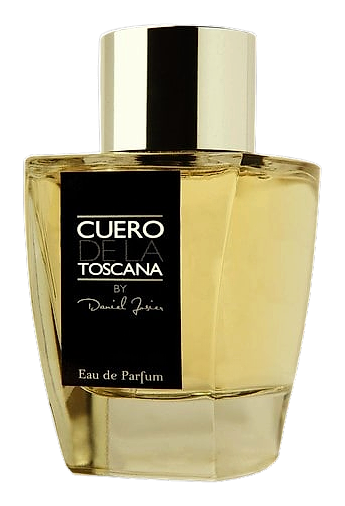
Cuero de la Toscana, leather from Tuscany. The name hints at supple, glove-soft material that comes from tan centuries old. The fragrance builds around a compelling tension: the interplay between softness and structure, between bright fruit and warm hide. Opening notes shimmer with citrus and ripe fruit, creating an immediate sense of freshness that feels both juicy and refined. As the scent settles, the leather accord emerges gradually, gaining depth and presence. The leather here is smooth and almost buttery, softened by a gourmand warmth that keeps it from ever feeling harsh or purely animalic. Undertones of smoky, resinous depth add complexity, grounding the brighter elements without overwhelming them.
What makes this composition stand apart is how it handles the leather. Instead of leading with the material itself, it opens fruity and warm, raspberry bright, saffron warm, then lets thyme introduce an herbal edge that keeps the sweetness honest. The leather arrives quietly, softened by suede in the base, grounded by amber. The night-blooming jasmine in the heart is an unexpected choice: it adds a floral lift that prevents the composition from collapsing into pure warmth. It's the kind of note that rewards attention, present but never heavy, sweet but not cloying.
The evolution
The opening announces itself with raspberry and saffron, bright, tart, almost edible. The saffron especially has a warmth that reads almost like dried fruit, not spice. Thyme lingers in the background, keeping the sweetness from becoming syrupy. The heart belongs to myrrh and jasmine sambac. The myrrh adds a resinous depth that bridges the fruity opening and the leather base, while the jasmine brings a nocturnal sweetness, the kind of white floral that blooms at dusk. These two notes work against the leather, softening it, making it feel worn rather than new. The drydown is where Cuero de la Toscana becomes itself. The leather emerges fully, but it's suede-soft, warmed by amber and woody notes. This phase lasts for hours. On fabric, it can linger until the next day, a faint, warm trace that smells like skin and suede and something sweet underneath.
Cultural impact
Leather fragrances occupy a storied place in perfumery history, tracing back to the smoky chypres and fougères of 20th-century masculine scents. These rich, complex compositions brought together warm, dark, and often animalic notes that felt bold and commanding. Over time, perfumers began reimagining leather accords in new ways, softening their edges and blending them with unexpected accords. The result is a broader vocabulary for leather in contemporary fragrance, one that includes warmth, sweetness, and even a certain intimacy alongside the traditional smoky depth. Cuero de la Toscana belongs to this expanded tradition.