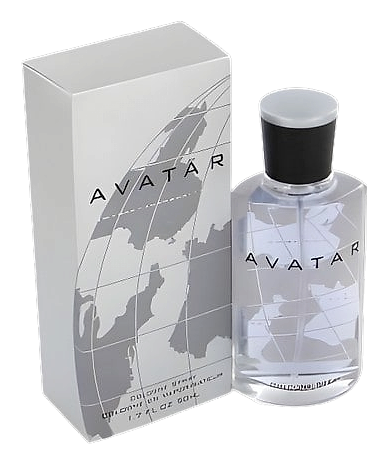

The Story
Why it exists.
The beginning
Avatar began as a tribute to Paolo Brunelli, a renowned ice cream maker from Senigallia, Italy. Hilde Soliani didn't want to bottle a flavor, she wanted to bottle a feeling. The warmth of a cone held too long. Sugar dissolving before you could finish it. Her artistic background in theatre and visual arts meant this couldn't just smell like dessert. It had to move like one too, starting cold, becoming warm, ending close.
What makes Avatar interesting isn't just the notes, it's the temperature arc. Ice cream as a top note isn't common. Most fragrances use it as a metaphorical descriptor for coolness, but here it's literal. The cold, almost fizzy opening gives way to caramel warmth that most vanilla fragrances skip entirely. That jump from cold to close is the structural trick. It makes the sweetness feel earned rather than imposed.
The evolution
The opening hits cold. Crystalline sugar over frozen cream, a half-second where you could swear someone just opened a freezer. Then the temperature shifts. Caramel thickens, vanilla softens, and for a moment this smells like ice cream that's been left out too long, but in the best way. The drydown is where it gets personal. A smoky vanilla, warm and close, settles into skin. Lasts 8-10 hours on most. Becomes a skin scent rather than a room scent, which means the people who get close will ask questions.
Cultural impact
Avatar occupies a specific corner of the niche world: the gourmand that doesn't apologize for being sweet. It's the fragrance people reach for when they want to smell delicious without smelling like they tried. The ice cream reference grounds it in nostalgia, a childhood pleasure translated into adult wear.
The House
CotyCoty began in Paris in 1904 and grew into one of the longest‑running perfume houses in the world. Its early creations, such as La Rose Jacqueminot, introduced a modern sensibility that blended natural extracts with the new synthetic aromatics of the era. Over more than a century the brand has released dozens of scents that still appear on boutique shelves, from the chypre‑style Chypre (1917) to the amber‑rich Ambre Antique (1905). Today Coty balances its historic archives with contemporary collaborations, offering collectors and casual wearers a range of olfactory experiences that reflect both its French origins and its global reach.
The Creator
Hilde SolianiSoliani built her reputation on gastro-gourmand compositions that most perfumers would never attempt. Her repertoire includes risotto, Catalan cream, butter, oysters, salted strawberry, hot milk, Parmesan violet, salted chestnut, and champagne.