
The Story
Why it exists.
The beginning
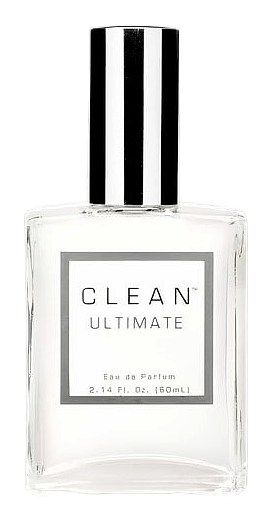
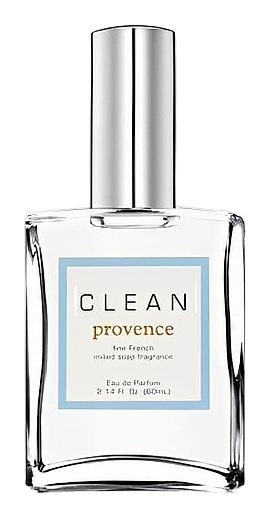
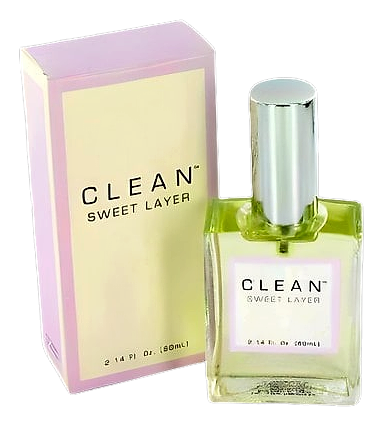
Clean launched Sweet Layer in 2004 as part of a collection designed around layering. The idea was straightforward, let the wearer build their own scent rather than default to one bottle. Sweet Layer took the citrus and white floral direction and sweetened it just enough to stand apart from the sharper entries in the line. The naming convention said exactly what it meant: this was a fragrance meant to be combined, not worn alone. Grapefruit and neroli opened the composition, with a rose and geranium heart softened by musk in the base.
What makes the structure interesting is how the top notes, grapefruit and neroli, create an immediate tension between bright citrus and the soft, almost honeyed warmth of orange blossom. Neither dominates. The heart brings in lily, which adds a quiet coolness to the rose, and geranium introduces a faint green note that keeps the sweetness from going flat. Musk in the base isn't theatrical, it's the anchor that lets the whole thing sit close to skin rather than project outward. The composition earns its name by being incomplete on its own. It's a layer, not a finish.
The evolution
The opening hits sharp and bright, grapefruit leading, lime in the background, a citrus fizz that reads like morning. Within minutes the orange blossom arrives and softens the edges, turning the energy from sharp to sweet. The handoff to the heart is where Sweet Layer earns its name: rose and geranium arrive quietly, neither overwhelming, the lily adding a watery coolness that tempers the sweetness. This is the longest phase, 2 to 3 hours of soft floral warmth. Then the musk takes over, close and clean, the kind of base that disappears into skin. By hour four, only the faintest trace remains, a quiet exhale rather than a statement.
Cultural impact
Clean fragrances emerged in the early 2000s as a reaction against heavy, sillage-heavy perfumes dominating the market. The brand Clean was founded by former Gap executives who wanted to create scents that smelled like freshly laundered clothes and bar soap, leveraging the nostalgia for simplicity and freshness that defined American casual style. This movement coincided with the rise of minimalist aesthetics in fashion and home design, where consumers began favoring transparency, natural ingredients, and uncomplicated compositions over baroque complexity. The clean fragrance category now includes dozens of brands from niche to mass market, with grapefruit and citrus-forward scents representing the purest expression of this philosophy.