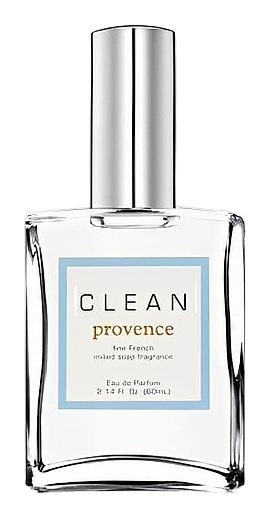

The Story
Why it exists.
The beginning
Provence arrived in 2004, when French country bathrooms were having a moment in American design. Suburban homes traded stainless steel for weathered enamel and zinc. Little lavender sprigs appeared on Etsy before Etsy existed. The aesthetic was everywhere, and Clean, founded just a year earlier in 2003, saw the opening. Not to sell soap, but to bottle the feeling of it. Clean Provence translates that whitewashed bathroom, that stack of Marseille soap, that hour spent running hot water until the mirror fogged, into something wearable. The brand's founding idea was already purity and skin-like simplicity. Provence gave it a specific address to aim at.
What makes the structure work is restraint at every tier. The citrus top doesn't linger, it opens sharp and exits clean, leaving room for cotton flower, which has a quiet, almost papery quality that most people mistake for an absence of scent rather than a presence of its own. Rose and geranium deepen the middle without blooming into drama. And the musk base isn't animalic or bold, it's the kind of musk Clean has built its entire catalog around: transparent, skin-sympathetic, hypoallergenic by design. The result is a fragrance that smells exactly like the idea of clean, without ever smelling like a cleaning product.
The evolution
The opening lands bright, lime and lemon competing for the first breath, a citrus spray that reads like Windex applied with intention. Thirty minutes in, the sharpness softens. The rose emerges, not bold but present, stitched through with geranium's green edge. Cotton flower fills the middle like the smell of a line of laundry just brought inside. This is where the fragrance becomes itself. The drydown is the payoff: musk that doesn't roar, doesn't prance, just settles against skin like a warm guess. Lasts six to eight hours on most. The next morning, faint traces linger on fabric, still clean, still powdery, still quietly there.
Cultural impact
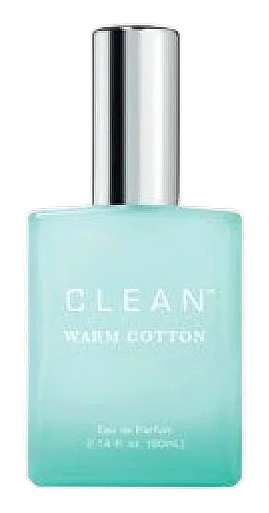
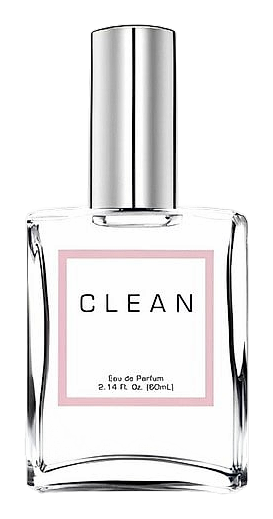
Provence joined a Clean catalog that was still defining itself in 2004. The brand's earliest offerings leaned into the same territory, Skin, Warm Cotton, Soft Laundry, all variations on the same question: what does clean actually smell like? Provence answered with a French postal code attached. The fragrance found its audience in women who wanted to smell like they had just showered and dressed without trying. Its discontinuation years later gave it a cult-following quality among fans of the original aesthetic.


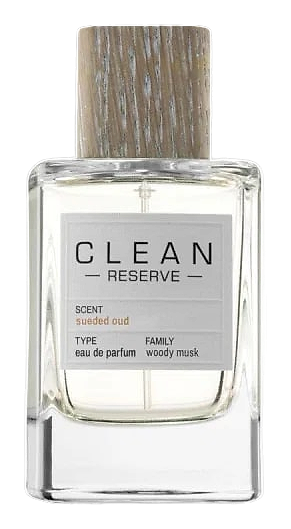
![Warm Cotton [reserve Blend] by Clean](https://pkjcevljwhrjwpswgpkp.supabase.co/storage/v1/object/public/fragrance-images/bottles/clean/warm-cotton-reserve-blend.png)
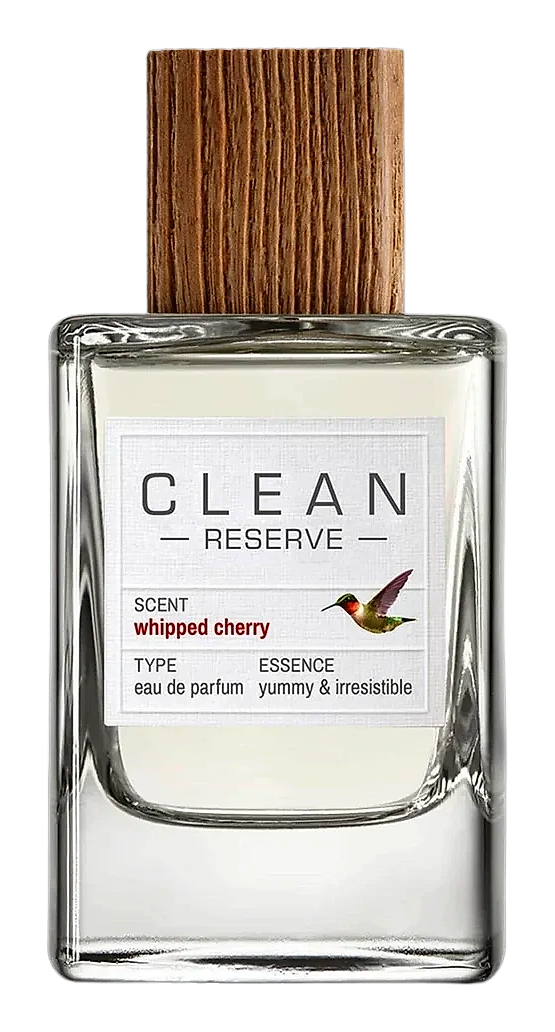
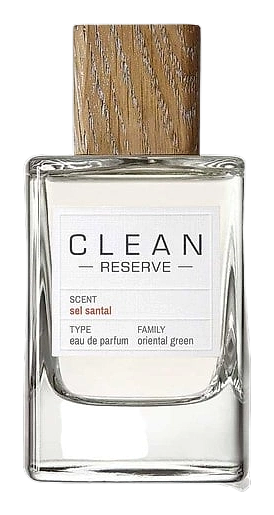
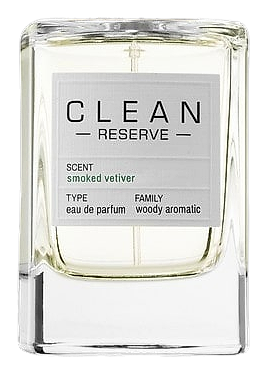
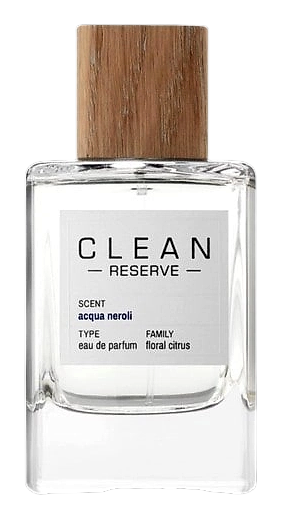
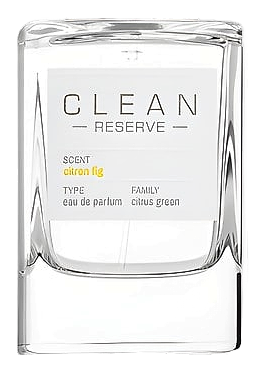



![Skin [reserve Blend] (eau De Parfum) by Clean](/assets/static/bottle-02.BLA5M2tM.png)
![Rain [reserve Blend] (eau De Parfum) by Clean](/assets/static/bottle-06.CXqb6EVr.png)