

The Story
Why it exists.
The beginning
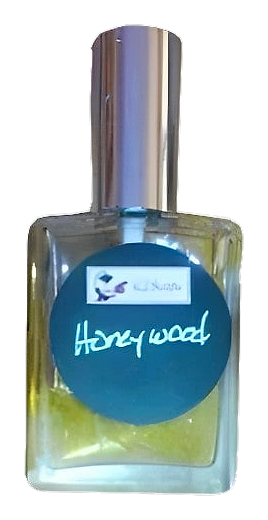
Honeywood takes its name from a pairing that feels almost too natural: the sweetness of honey against the dryness of wood. There's no documented launch year, no named perfumer credit, no mythology wrapped around it. What there is is a fragrance built from four notes that pull in opposite directions. Spice brings heat, honey brings sweetness, milk brings softness, and cedar brings grain and smoke. Honey and milk lend the composition a creamy sweetness, while cedar adds a dry, woody edge. Spice contributes a sharper note of warmth that becomes more noticeable against those softer materials. Together, they create a scent that moves between sweet and woodier impressions, with a warm, softly spiced character rather than a single dominant note.
What's interesting here is the tonal range inside a four-note frame. Honey and milk are both lactonic and sweet, and either one alone can tip into dessert territory. Cedar contributes a dry, woody quality, while spice introduces a flicker of heat that reads as almost medicinal in its sharpness. The powdery accord gives the fragrance a soft-focus quality, while smoke adds a dry, faint haze around the sweeter notes. Honey and milk create a rounded, creamy center, with spice appearing as a contrasting note of warmth.
The evolution
Honeywood can be perceived as sweet and slightly green, with some wearers noticing a sour, almost honey-candy quality at the beginning. Milk contributes a creamy, powdery center that softens the sharper edges of the other notes. As the hours pass, the honey develops a warmer, more resinous character, while the spice becomes less prominent and remains as low background warmth. Cedar adds a woody, faintly smoky structure to the composition, contrasting with the denser sweetness of honey and milk. The wear is consistent, low-key, and quietly present. Later on skin, the fragrance leaves a warm, faintly sweet trail with a soft, worn-textile character rather than a fresh dessert quality. The powdery and creamy facets remain noticeable, while the woodier notes provide a drier finish.
Cultural impact
Honeywood reflects CJ Scents' taste for warm, gourmand-leaning compositions, with a note list that includes honey, milk, spice, cedar, powder, resin, and smoke. Its central point of interest is the honey, which can register differently depending on the wearer. Some hear candy sweetness, while others notice a greenish, almost sour edge before the milk and cedar become more apparent. The milk lends a creamy, powdery softness, the spice brings a sharp note of warmth, and the cedar contributes dry grain and faint smoke.