The Story
Why it exists.
The beginning
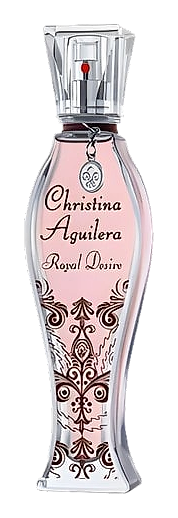
Royal Desire arrived in 2010 as the third expression of Christina Aguilera's fragrance identity, following the original signature and its immediate predecessor. The name carried a clear directive: this was for women who saw themselves as royalty, who wanted a scent that matched that feeling of self-possession and glamour. Ilias Ermenidis crafted the composition around that ambition, building a fragrance that felt luxurious and self-assured without tipping into aggressive or performative territory. The brief wasn't simply 'sweet floral.' It was something softer, more intimate, that could still hold its own in a room full of louder options.
What makes Royal Desire interesting is the marshmallow note threading through the pyramid rather than sitting only on top. In most fragrances, marshmallow functions as a transient sweetness, a quick sugar rush before the real structure arrives. Here it acts differently: the powdery quality it brings extends through the heart, creating a through-line that connects opening to drydown. The result is a composition that feels cohesive rather than segmented, where the sweetness doesn't simply evaporate after the first spray. It's this marshmallow powder that makes the florals feel soft rather than sharp, and that keeps the base from reading as heavy or dark.
The evolution
The opening hits bright, yuzu citrus clarity cutting through the blackcurrant tartness. Within minutes the marshmallow arrives, and the trajectory shifts toward soft. The honeysuckle and lily emerge next, their green-floral quality tempering the sweetness before the rose asserts itself around the thirty-minute mark. Rose and iris together create a powdery floral density that dominates the heart phase. The drydown begins around the two-hour mark, when the florals finally thin enough to reveal the sandalwood and cedar underneath. Musk is present throughout but only fully audible once the florals recede, it surfaces as a skin-close warmth rather than a statement. Three to four hours in, what's left is a quiet powdery musk that stays intimate and close.
Cultural impact
Royal Desire landed in 2010 during the peak celebrity fragrance era when pop stars dominated the market. Christina Aguilera's line capitalized on her glamorous public image, targeting young women seeking accessible luxury without designer price tags. The marshmallow trend Royal Desire embraced would later influence mainstream perfumery, with similar sweet-gourmand notes appearing in later releases from major houses. Its moderate sillage and intimate projection reflected a shift toward more personal, less assertive fragrance choices that prioritized subtlety over theatrical presence. The 2010 launch coincided with a broader cultural moment when celebrity scents represented aspirational femininity and mass-market glamour.