
The Story
Why it exists.
The beginning
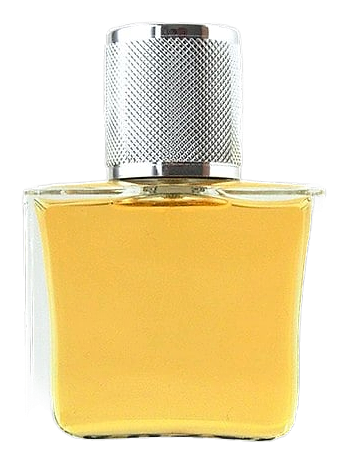
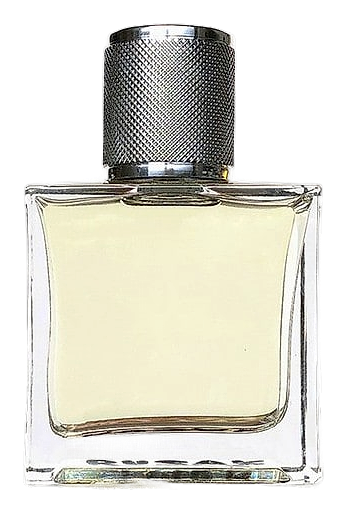
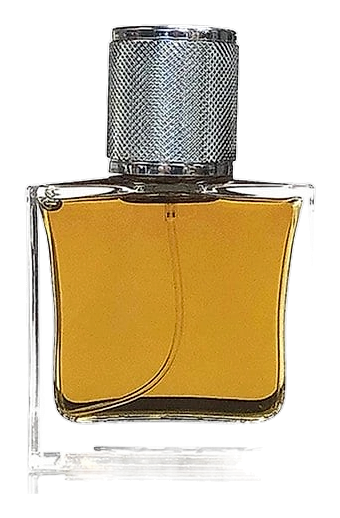
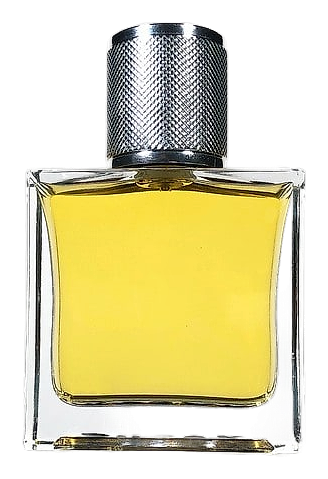
Relief is a study in restraint built on a foundation of resinous and earthy materials. Myrrh, oakmoss absolute, tobacco absolute, hay, and ambrette form its backbone, while iris, violet, and tea thread through the middle in quieter passages. The opening carries the dusty sweetness of hay and tobacco before the myrrh arrives with its warm, slightly bitter edge. Oakmoss grounds everything in that particular damp-undergrowth quality, dark and green at once. Iris lends a powdery coolness that keeps the composition from tipping fully into the heavy, and the tea note adds a tannic lift, almost like the memory of steeped leaves left to cool. At 61% natural absolutes and oils, the fragrance wears with the chromatic weight of materials that haven't been pushed through a synthetic filter.
What separates Relief from its resinous peers is the restraint in the material choices. The myrrh is present but not ecclesiastical. The tobacco is sweet-leaning rather than smoky-aggressive. And the hay absolute, a notoriously difficult material to balance, sits in conversation with tea and ambrette rather than dominating them. The interplay between these materials is what gives the fragrance its quiet authority.
The evolution
Relief opens with bergamot and black pepper, a brief bright snap that feels almost like a polite clearing of the throat. That lasts maybe ten minutes before the heart takes over: myrrh and hay settle in alongside tobacco absolute and a thread of tea that smells closer to a sun-steeped oolong than any Earl Grey. The iris and violet don't bloom so much as smudge, adding a powdery duskiness that keeps the tobacco from going too sweet. By hour two, the cedarwood absolute and sandalwood have found their footing, and the fragrance shifts into a warm, resinous groove that feels closer to a chapel than a bar. The drydown is where the oakmoss absolute and ambrette do their quiet work. What lingers past hour six is a soft, animalic warmth: not skin musk exactly, but something adjacent, the impression of a room that was recently occupied. On clothing the next morning, the cedar and tobacco hold their shape remarkably well, like a letter tucked into a coat pocket.
Cultural impact
Relief sits in conversation with other resinous-heavy niche works like Serge Lutens Chergui and Tauer L'Air du Désert Marocain, but it pulls toward a quieter, more introspective register. Where Chergui leans into spiced honey and sun-baked warmth, Relief stays cooler and more contemplative, closer to the shaded corners of the resinous tradition than its sunlit center. The oakmoss and hay combination gives it a distinctly autumnal character, less arid than L'Air du Désert Marocain, more humid and green by comparison.