The Story
Why it exists.
The beginning
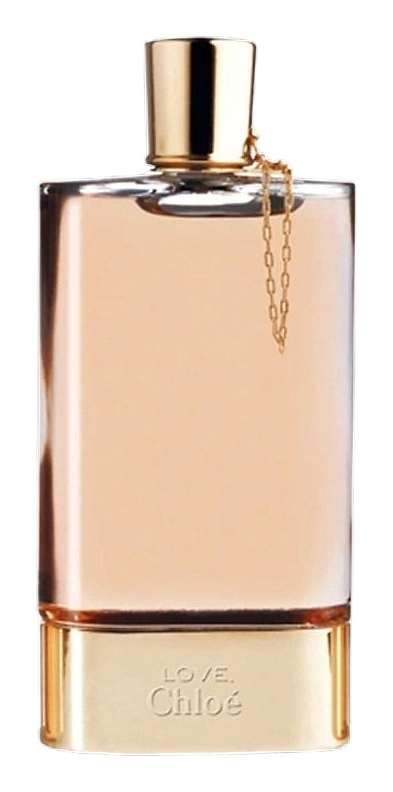
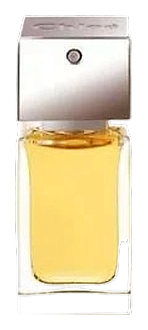
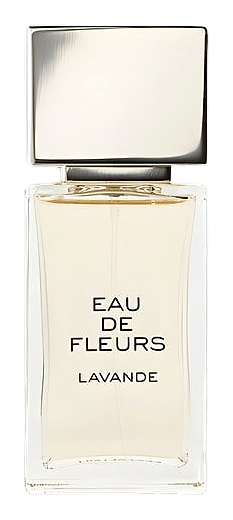
Domitille Michalon-Bertier designed Eau de Fleurs Lavande as part of a trio released by Chloé in February 2010, Neroli, Capucine, and this. Three flowers, three interpretations of the house's floral identity. Lavender as a named note is unusual for Chloé, whose fragrance language has historically orbited rose and magnolia. But Lavande wasn't an accident or an outlier. It was a deliberate choice to test the boundaries of what the house could claim as its own. The name itself, Lavande, is unadorned, almost architectural. Not a place, not a mood. Just the flower, front and center.
What makes this composition interesting is the tension between the lavender heart and everything around it. Lavender alone can skew masculine, medicinal, even abrasive. But here, Domitille Michalon-Bertier wrapped it in iris powder and cashmeran warmth, two materials that soften edges without erasing them. The result is a lavender that feels feminine without apology, herbal without sharpness. Cashmeran, especially, does the heavy lifting: it adds a musky, almost ambery quality that rounds the composition into something skin-like, intimate, close. Vetiver and cedar anchor the base into something woody and grounded rather than airy.
The evolution
The opening hits bright and green, violet leaf and bergamot leaf cutting through with something almost aquatic. It lasts maybe twenty minutes before the lavender takes over completely, and it does take over. For hours. The heart phase is where this fragrance earns its name: deep, aromatic, with an almost dark quality that Chloé's own copy described as aphrodisiac and intoxicating. Then, slowly, the iris arrives, powdery, soft, unexpectedly warm, and the composition shifts from herb to something skin-like. The drydown isn't cedar or vetiver as separate materials. It's cashmeran doing what cashmeran does best: creating a warm, skin-close haze that lasts well into the evening. Six to eight hours, depending on your skin. The next morning, there's a faint trace on fabric, clean, slightly sweet, like sheets left to dry in cool air.
Cultural impact
Eau de Fleurs Lavande occupies an interesting position in Chloé's lineup: a lavender-forward fragrance from a house not typically associated with aromatic notes. The 2010 launch was part of a deliberate strategy to expand the Eau de Fleurs collection into territory beyond rose and white florals. The reception has been quietly strong, not a blockbuster, but a fragrance that finds its audience through specificity rather than mass appeal. Wearers describe it as the kind of scent someone reaches for when they want something clean and green without being aquatic, powdery without being retro.