The Story
Why it exists.
The beginning
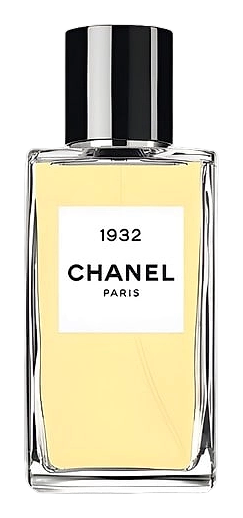
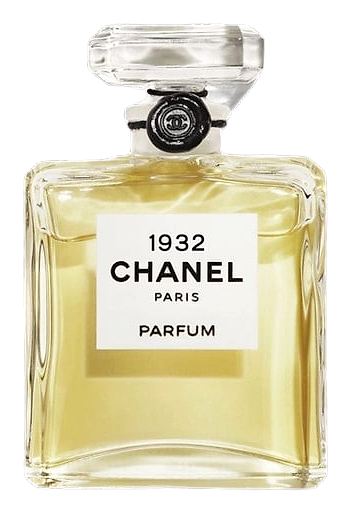
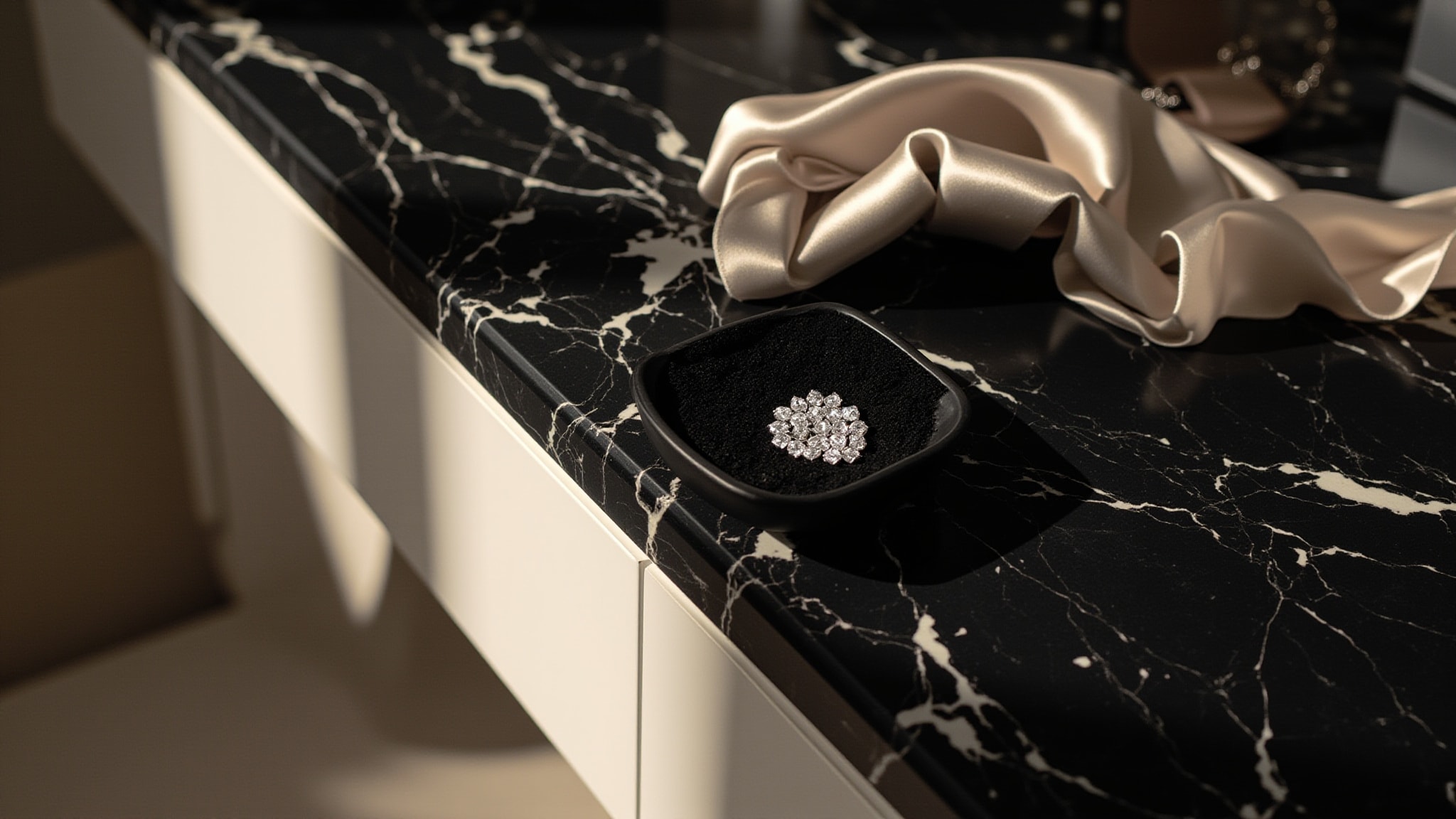
1932 is named for a singular moment in Chanel history: the Bijoux de Diamants jewelry collection, the first high jewelry line designed entirely by a woman. Stars, comets, diamonds, Coco Chanel turned constellations into something you could wear. Jacques Polge revisited that spirit for Les Exclusifs de Chanel, drawing on the aldehydic backbone that defined a Chanel revolution. The powdery, floral heart blends jasmine, rose, lilac, and ylang-ylang into a warm, intimate composition, while the woody base grounds everything in creamy sandalwood and quiet vanilla. It captures a celestial quality without being literal about it, restrained elegance worn close rather than displayed.
What makes 1932 distinctive is its balance of abstraction and intimacy. The aldehydes give the opening a waxy, slightly metallic brightness that lifts the composition upward, that characteristic Chanel lift introduced in 1921. The florals, jasmine, rose, lilac, ylang-ylang, form a powdery, slightly green heart that doesn't announce itself, settling into the composition rather than dominating it.
The evolution
The aldehydes hit first. That characteristic waxy lift, bright, almost sparkling, with bergamot and neroli adding a clean, orange blossom brightness. It lifts. It doesn't announce. Thirty minutes in, the aldehydes are already softening, the bergamot fading, and the florals, jasmine, rose, lilac, ylang-ylang with a trace of carnation, arriving to take over. The florals settle into it. Powdery and warm. By the second hour, the sandalwood and vanilla arrive. Orris adds its powdery presence. Ambrette makes everything feel skin-close, almost intimate. Vetiver grounds it so it doesn't float away. By the fourth hour, the drydown is warm sandalwood, quiet vanilla, and a trace of incense. The coumarin adds that hay-like, slightly sweet undertone. On fabric the next morning, a faint trace of vanilla and sandalwood lingers, the echo of something bright that stayed.
Cultural impact
The Les Exclusifs de Chanel collection represents the house's curated space for artistic, less commercial fragrance experiments. 1932 occupies a particular position within that lineage, referencing Chanel's Bijoux de Diamants collection, the first high jewelry designed by a woman, translating that spirit of celestial restraint into scent. The aldehydic backbone connects it to the house's revolutionary heritage, while the powdery, intimate drydown gives it a quiet elegance that speaks to those who appreciate refinement over declaration.