The Story
Why it exists.
The beginning
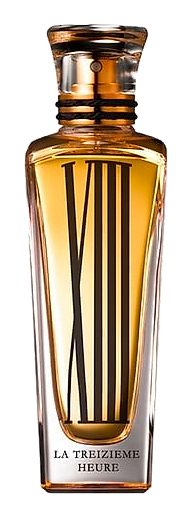
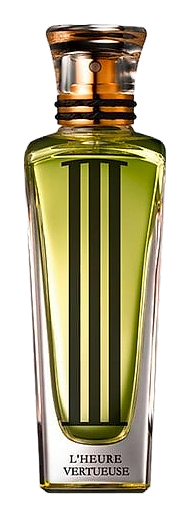
Mathilde Laurent designed L'Heure Vertueuse III as part of Les Heures de Parfum, Cartier's collection exploring time as a sensory experience. Each fragrance in the line captures a different hour, a different mood. The third chapter, launched in 2012, translates the concept of a magical garden into olfactory form: a place where herbs grow in impossible abundance and everything smells freshly picked. Laurent reached for plants that carry an almost tactile greenness, verbena and thyme, rosemary and lavender, and anchored them with absinthe and mastic, two materials that bring resinous depth and a faint medicinal edge to the composition. The result is a fragrance that smells like the moment you step into a garden and the air itself tells you to breathe deeper.
The interesting thing about L'Heure Vertueuse III is how its materials resist easy categorisation. Absinthe brings a bitter, anisic quality that many fragrance lovers either adore or find challenging. Mastic, the resin of the lentisk pistachio, adds a piney, slightly medicinal dimension that amplifies the green rather than softening it. These are not comfortable notes. They require a certain kind of wearer, one who finds beauty in herbs and medicinal botanicals rather than florals or fruits. Verbena cuts through with its lemony brightness, preventing the composition from becoming too heavy.
The evolution
The opening arrives fast and declarative. Absinthe and verbena hit together, sharp, green, almost astringent, the kind of clarity that makes you inhale again just to be sure. The lavender begins to rise through the composition, softening the edges and bringing a faint floral sweetness that tempers the medicinal quality. The heart lasts the longest: an herbal landscape where rosemary and thyme assert themselves alongside the lavender, all held together by the resinous backbone of mastic. This middle phase is where the fragrance feels most coherent, green and aromatic without being harsh. The drydown is quieter but persistent. The absinthe recedes, the herbs settle into something woody and resinous, and the mastic holds the whole thing together close to the skin for hours after the initial spray.
Cultural impact
L'Heure Vertueuse III arrived in 2012 as part of Cartier's Les Heures de Parfum collection, a series treating time as an artistic medium. Perfumer Mathilde Laurent has shaped Cartier's fragrance identity since 2001, and her work reflects a cultural moment when niche perfumery began challenging mainstream conventions. The fragrance entered a market increasingly drawn to botanical authenticity, where medicinal herbs and green accords signified sophistication. Its absinthe note proved culturally resonant, capturing a wider fascination with absinthe's bohemian history and the green fairy mythology. This positioning allowed Cartier to attract consumers seeking fragrances with narrative depth beyond conventional luxury markers.
The House
CartierFrom a small Parisian workshop in 1847 to one of the most celebrated fragrance houses in the world, Cartier has spent over 175 years translating the language of precious gems into something you can wear against your skin. Every Cartier fragrance is conceived as invisible jewellery, an intimate ornament that speaks to the same desire for beauty and craftsmanship that has drawn royalty and connoisseurs to the Maison for generations. The panther prowls through its scent wardrobe, diamonds catch light in crystalline bottles, and rare ingredients arrive from distant corners of the globe. This is luxury in its most wearable form.
The Creator
Mathilde LaurentMathilde favors a restrained palette that highlights natural essences. She often begins with a clear mineral or green base, then layers luminous florals such as jasmine or orange blossom.