The Story
Why it exists.
The beginning
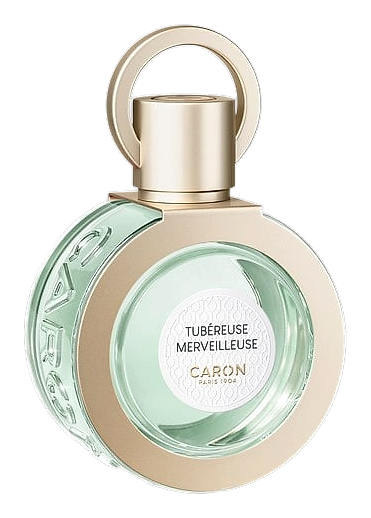
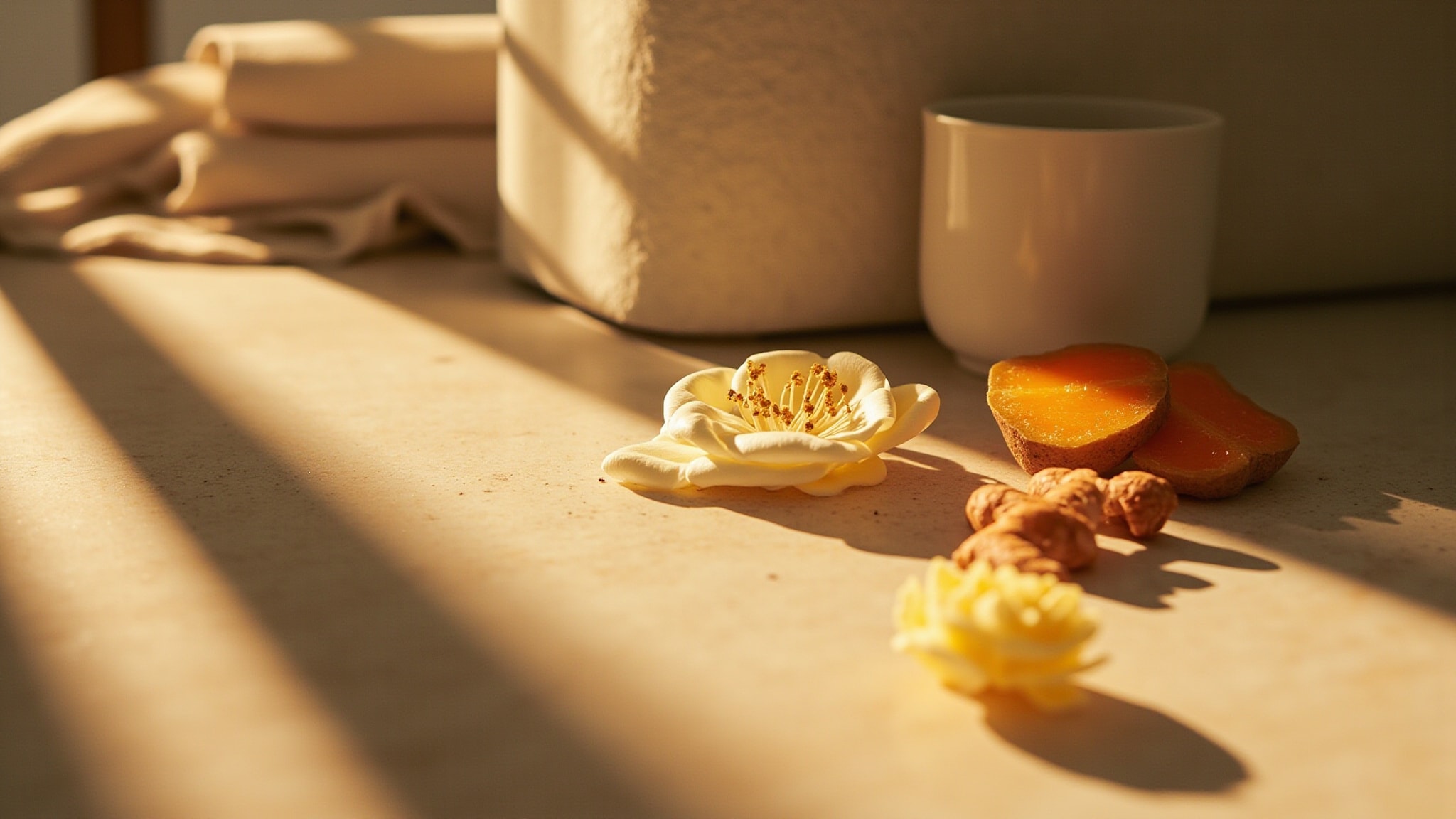
Jean Jacques discovered white flowers in Thailand, and that discovery became the seed of Tubéreuse Merveilleuse. The Indian tuberose he encountered there was heady, creamy, almost carnal in its complexity, nothing like the polite gardenia-note tuberose of mainstream perfumery. His instinct was to collide it with something unexpected: a Nigerian ginger so zesty and pungent that it borders on electric. The result is the clash at the heart of this fragrance, sensuality against freshness, opulence against precision. That's the Caron way. Not balance. Confrontation.
The power move here is the ginger itself. The perfumer has said he pushed it "to the point of excess", and he meant it. This isn't a supporting note. It's the counterweight that keeps the tuberose from going soft, the blade that cuts through the cream. Without it, you have another lush white floral. With it, you have a collision. The jasmine sambac absolute and orange blossom absolute then do their work, faceting the flower into something seductive and languorous, honeyed in a way that rewards patience. This is a fragrance that asks something of its wearer: a willingness to be electrified.
The evolution
The opening is a bright jolt. Bitter almond and starfruit give a juicy, almost effervescent quality before the Nigerian ginger arrives with a clean heat that reads almost medicinal in its realism. Lemon keeps it sparkling. Then the hand-off: the ginger doesn't disappear. It persists, cutting through the Indian tuberose as it blooms creamy and opulent, jasmine sambac and orange blossom rounding the florals into something honeyed and languorous. The tension never fully resolves. By the drydown, vanilla and musk settle close, almond milk adding a final lactonic creaminess. The ginger is still there, faint but electric beneath the warmth. On most skin types, expect 8-10 hours with moderate sillage, intimate, not announced, but impossible to ignore when someone gets close.
Cultural impact
Caron has long been associated with bold, non-conformist perfumery, and Tubéreuse Merveilleuse (2021) continues that legacy by rejecting the safe, skin-close approach typical of modern tuberose fragrances. By pushing the Nigerian ginger to an almost uncomfortable level of pungency, perfumer Jean Jacques creates a collision of Thai white flower inspiration and Parisian sophistication that feels deliberately provocative. This fragrance arrived during a period when niche houses dominated fragrance discourse, making Caron's assertion of its signature collision style a statement about the enduring relevance of classical French perfumery.