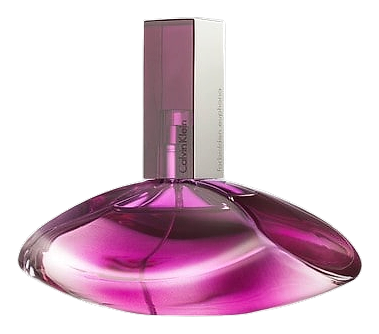
The Story
Why it exists.
The beginning
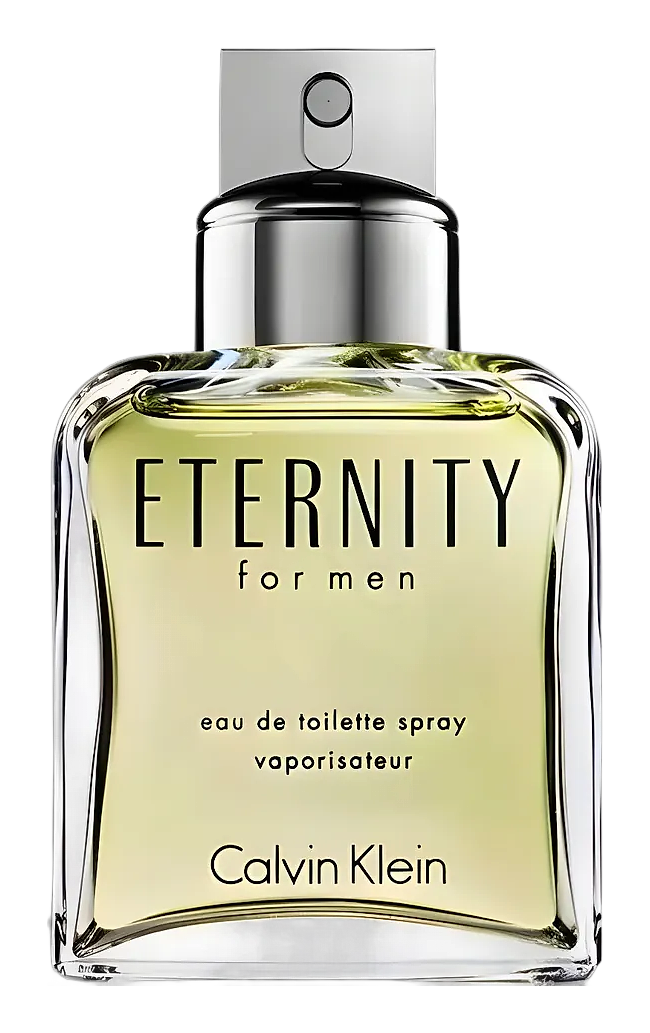
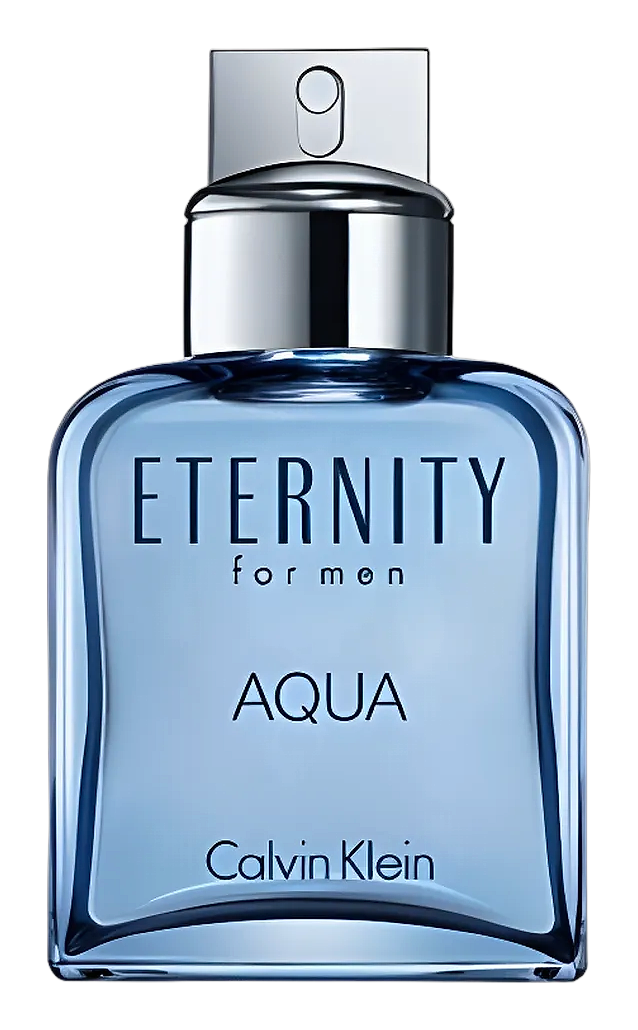
Eternity For Men Summer 2008 arrived as a limited seasonal flanker, designed to capture something specific: the unhurried clarity of a summer morning. Perfumers Jean-Marc Chaillan and Carlos Benaïm built it around a tension between brightness and greenery, citrus fruits and kumquat opening sharp and clean, then immediately softened by mimosa's yellow floral warmth. The idea was restraint. No heavy base, no performance theater. Just the first hour of a warm day, bottled.
What makes this composition interesting is what it refuses to do. There's no oud, no vanilla, heavy and thick, no amber warmth to anchor it into evening wear. Instead, the pyramid tops out at lavender and green grass before the base arrives, patchouli and guaiac wood providing just enough structure to keep the green from disappearing entirely. Cardamom sneaks in quietly, adding a faint warmth to the drydown that suggests this isn't entirely innocent. It's a summer chypre, stripped down to its essential parts.
The evolution
The opening hits bright and citrus-forward, kumquat's tartness cuts through first, followed by mimosa's softer yellow sweetness. Within ten minutes, the green grass takes over and the citrus recedes, becoming an undercurrent rather than the main event. The lavender arrives around the thirty-minute mark, adding an aromatic coolness that smooths the transition into the base. Patchouli and guaiac wood arrive together, but gently, this isn't a heavy drydown. The cardamom is the quiet surprise, a faint spice that keeps the woods from feeling too clean. By hour two, the fragrance is thinning noticeably. By hour three on most skin, it's largely gone. The sillage stays moderate throughout, you'll smell it, the people close to you will smell it, but it won't announce itself across a room.
Cultural impact
Limited seasonal flankers often get overlooked in fragrance history, and Eternity Summer 2008 is no exception, discontinued shortly after launch, it never achieved the longevity of its parent line. But in its brief window, it represented something honest: a summer fragrance that didn't try to be more than it was. The CK aesthetic of accessibility and directness lives here, this wasn't positioned as a luxury buy, just a warm-weather option for someone who wanted to smell clean and green without complication.
The House
Calvin KleinCalvin Klein is an American fashion house with roots in New York City's coat trade. Founded in 1968 by designer Calvin Klein and Barry Schwartz, the company rose to prominence through its minimalist aesthetic, form-fitting denim, and designer underwear lines. The brand entered the fragrance world in the late 1970s and built one of the most recognizable mass-market perfume portfolios in fashion. CK One, launched in 1994, became a cultural landmark as one of the first unisex fragrances, reshaping how the industry approached gender and scent. Today Calvin Klein perfumes remain available globally through department stores and specialty retailers, with fragrance licensing managed by Coty Inc. since 2005.
The Creator
Jean-Marc Chaillan & Carlos BenaïmJean-Marc's olfactive fingerprint is unmistakable: sweet and sultry notes woven with the warmth of bodily musks and oriental depths. His Latin-inspired creations carry a sensual warmth that distinguishes them from cooler, more clinical compositions.