The Story
Why it exists.
The beginning
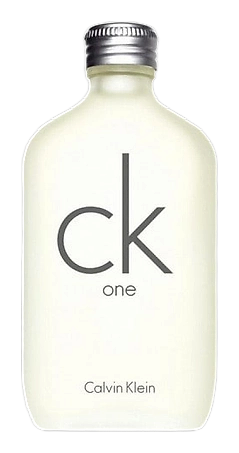
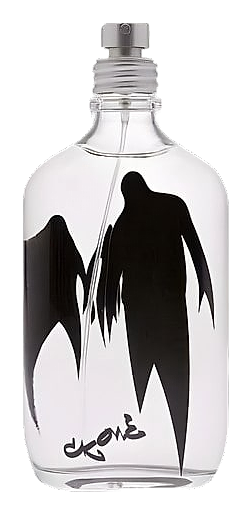
CK One Graffiti arrived in 2003 as a limited-edition chapter in the CK One story, one year before Coty acquired Calvin Klein's fragrance business in 2005. Where the 1994 original had been about clean citrus and democratic unisex appeal, Graffiti pushed the formula into something denser and more saturated. The name says it all: a deliberate mark on a house formula, an interpretation that didn't ask permission. Alberto Morillas and Harry Fremont were the architects, two perfumers who understood that CK One's identity was flexible enough to absorb a tropical injection without breaking. The collector's bottle, designed by Espo, Futura, and Delta under Fabien Baron's direction, made the limited nature visible from the start. Not a reformulation. A annotation.
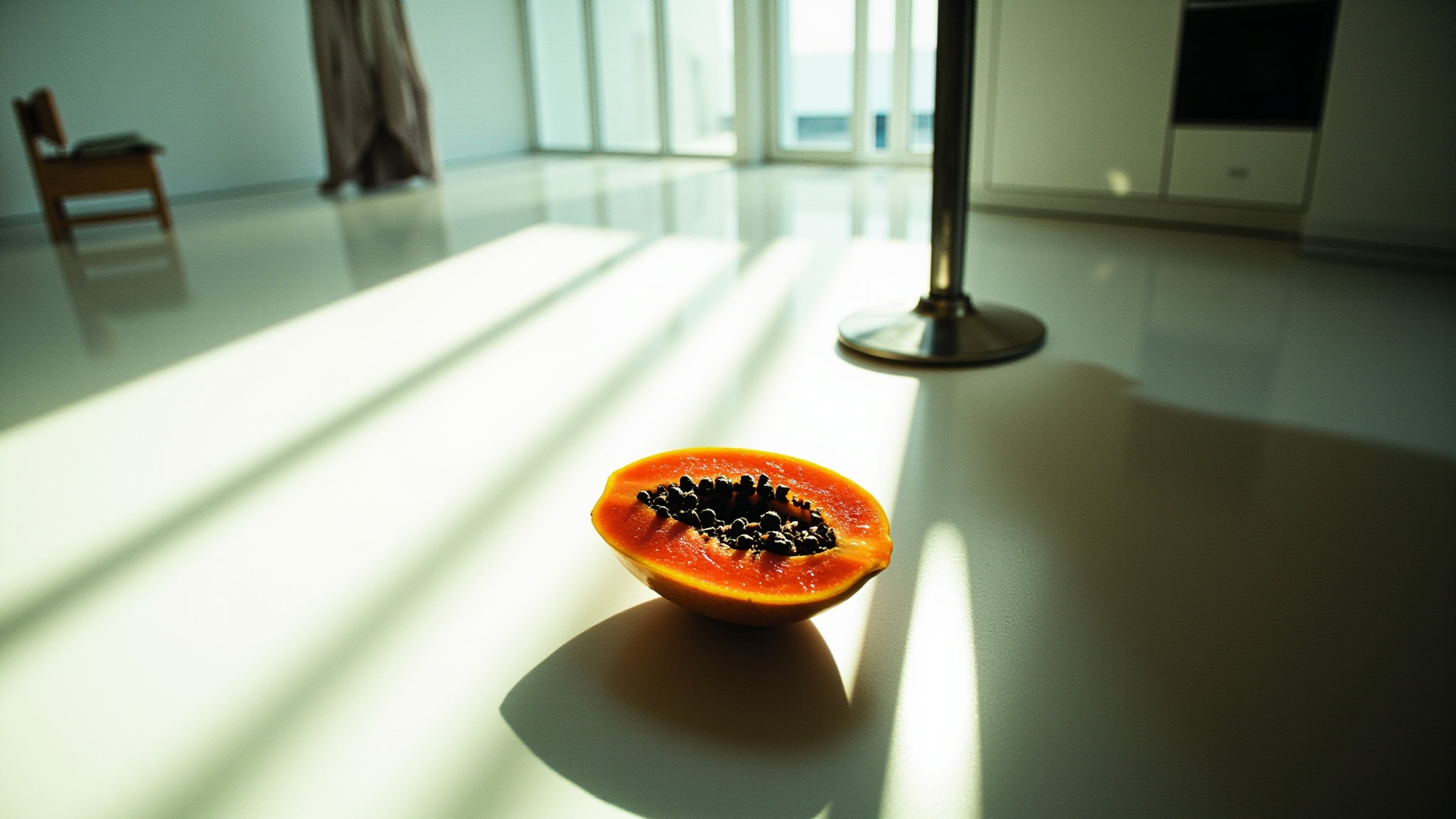
What makes Graffiti structurally interesting is the tension between its green tea backbone and its tropical top notes. Green tea is inherently astringent, almost medicinal, the smell of a high-end apothecary more than a tropical beach. But Morillas and Fremont paired it with papaya and pineapple, fruits that carry a creamy sweetness that rounds the green tea's edges without diluting it. The result is a scent that smells simultaneously fresh and warm, cool and sweet. The heart of jasmine and violet adds a powdery dimension that grounds the tropical opening, preventing it from veering into sunscreen territory.
The evolution
The opening announces papaya first, bright and slightly overripe, followed by green tea that cuts through with an herbal coolness. For about twenty minutes, the composition smells distinctly tropical, not the aquatic tropical of the era's aquatics, but a warmer, fruitier version. Then the jasmine and violet arrive, turning the scent powdery and clean, soapy in the best sense. The rose adds softness without sweetness. Nutmeg lingers at the edges, a quiet spice that reminds you something is still happening underneath. By the drydown, the tropical notes have mostly retired, not gone entirely, but faded to a memory. Amber and musk take over, warm and close to the skin, wrapping around the scent like the ghost of the opening. Longevity sits around four to six hours on most skin types. Sillage is moderate, this is a fragrance designed to be found, not announced. On fabric, it lasts longer. The drydown on skin the next day reads as clean and modern, exactly what Calvin Klein intended.
Cultural impact
A limited-edition collector's bottle from a house that shifted fragrance culture with CK One's 1994 launch. This 2003 chapter takes the democratic unisex spirit and narrows it into something more specific and collectible, tropical, bright, and unmistakably Calvin Klein. The timing positioned it as a specific chapter in the CK One story.