
The Story
Why it exists.
The beginning
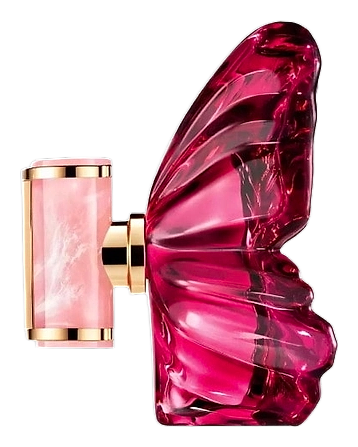
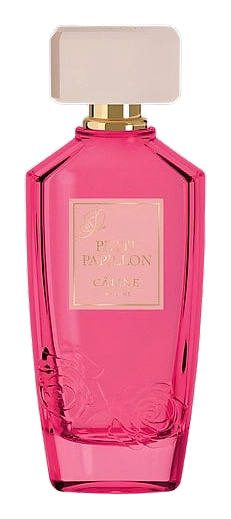
Petit Papillon translates to "little butterfly," and the name does what it promises. This is a composition built around lightness, but the kind that lands. From the first spray, the fragrance opens with a bright, almost translucent sweetness that recalls ripe dragon fruit and pink guava, dewy and cool against the skin. There's no heavy syrup here; instead, the fruits stay lifted, almost airy, as though someone caught them at the exact moment before they fully ripen. As the top notes settle, a delicate floral veil moves in, soft mimosa and a whisper of frangipani threading through the fruit, adding a creamy warmth that never tips into the gourmand. The drydown deepens into coconut milk and a soft bed of white musks, giving the composition just enough base to anchor all that brightness.
The note structure tells you exactly what Câline was going for. Dragon fruit as a single top note is a deliberate gamble. It avoids the usual citrus opener that signals "fresh floral" and reaches instead for something less expected, a fruit that reads more like a memory than a kitchen. The heart pairs frangipani, a tropical white flower with coconut-cream undertones, against red peony, which adds a dewy, slightly cool floral note. Together they create a cream-fruit tension that bridges the exotic top with the warmer base. Patchouli grounds the composition in something earthy and recognizable, while vanilla smooths the whole arc into wearability. The accords flagged as lactonic and tropical confirm the intent.
The evolution
The first spray hits with that dragon fruit, bright and almost candy-like, with a green edge that keeps it from going syrupy. It sits close to the skin initially, projecting gently rather than announcing. Within 15-20 minutes, the frangipani and peony arrive together, softening the fruit into something creamier and more floral. The sweetness mellows here, shifting from candied to milky. After about an hour, the base begins to take over: patchouli adds a warm, slightly damp earthiness beneath the florals, and vanilla wraps around everything. The drydown settles into a soft skin-scent, warm and vaguely gourmand, the kind of fragrance someone might catch when you hug them. The scent carries a loyal following among enthusiasts who appreciate its intimate, close-to-skin character, and it has earned respect in niche circles for its unusual dragon fruit opening. On clothes the next day, a faint vanilla-patchouli trace remains, like the ghost of a good afternoon.
Cultural impact
Petit Papillon arrives as one of the more quietly distinctive tropical releases in recent memory, and it has found an audience quickly. At its center sits dragon fruit, an unusual choice for a lead note in a fine fragrance, handled here with a softness that keeps it from ever reading as sharp or synthetic. Instead, the fruit opens cool and almost watery, mingling with the sweetness of pink guava before the warmer notes begin to surface.