
The Story
Why it exists.
The beginning
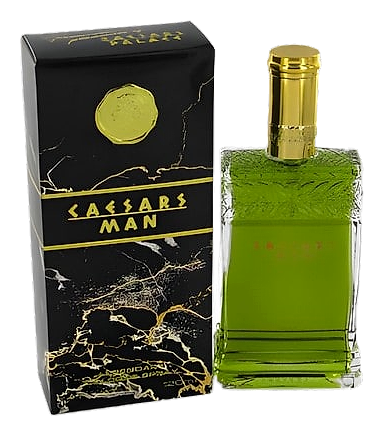
Caesars World entered the fragrance market in 1987, the same era when bold masculine statements defined the category. The brand, rooted in American casino and hospitality entertainment, chose an appropriately commanding name for its first men's scent: Caesars Man. The inspiration was direct, almost mythic. The man that was Caesar. The man that conquers. Rather than a place or a material, the fragrance was built around an archetype, the kind of confidence that walks into a room and doesn't wait to be seated. A masculine fougère composition with enough structural weight to justify the name, released into a market that still rewarded presence and projection in equal measure.
What makes Caesars Man's structure interesting is how faithfully it adheres to the fougère template, a family of fragrances named after the French word for fern, built on a specific architecture of herbaceous top, lavender heart, and mossy-woody base. Here, rosemary and lemon verbena replace the expected lavender lead in the opening, giving the top a sharper, more aromatic cut before the cool coniferous heart of fir balsam arrives. The base leans heavily into oakmoss, a material that has become increasingly regulated in perfumery due to IFRA restrictions, making older formulations like this one particularly notable to collectors and enthusiasts who remember when moss meant moss, not a substitute.
The evolution
The opening announces itself immediately: rosemary's herbal bite alongside tart bergamot and the citrusy green of lemon verbena. There's no easing in. The heart arrives within minutes as lavender and fir balsam take over, cool and slightly resinous, with geranium threading a faint floral sweetness through the conifer dominant. The transition to the drydown is where this fragrance earns its reputation, oakmoss and patchouli arrive together, earthy and grounding, with sandalwood and amber softening what could be harsh into something that simply lasts. Six to eight hours on most skin. The sillage stays moderate, never filling a room but never disappearing either. By the end, the fragrance has settled close to skin, a quiet moss-and-wood impression that someone standing nearby might catch before you even know it's there.
Cultural impact
Caesars Man occupies a specific and valued corner of the masculine fragrance landscape: authentic 1980s fougère architecture, still available and still performing at a level that rewards discovery. The fragrance draws consistent comparison to Drakkar Noir from Guy Laroche, another bold aromatic fougère from the same era, a peer group that collectors actively seek out for their unapologetic masculinity and structural integrity. For wearers who want what fougère used to deliver before reformulation softened the category, Caesars Man remains a compelling and accessible option.