The Story
Why it exists.
The beginning
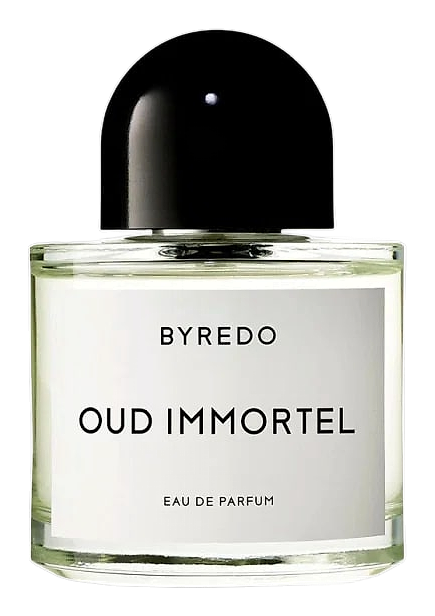
Oud Immortel arrived in 2010 as a meditation on one of perfumery's most storied materials. The fragrance takes oud, a resinous wood long associated with luxury and ritual, and treats it with unusual gravity. Where many compositions use oud as a spectacle, this one asks the material to slow down. The composition moves through papyrus, patchouli, frankincense, cardamom, tobacco, and moss, each note chosen for its dryness, its restraint, its ability to sit with oud rather than compete against it. The result is a scent that feels ancient without feeling costume. It is oud rendered as quiet architecture, the kind of composition that rewards patience and rewards cold air and rewards wearing the same thing three days in a row until it becomes part of the wardrobe.
What sets this composition apart is its restraint. Oud on its own can read loud, barnyard, polarizing. Here it shares the floor with papyrus, a note that brings dry, fibrous grain, and patchouli that grounds the smoke without sweetening it. Frankincense and cardamom open the door with a cool spiced resin, while tobacco and moss anchor the drydown with quiet earthiness. Nothing glossy. Nothing gourmand. The architecture reveals itself slowly. The papyrus adds a papery, almost geological texture that keeps the oud from feeling animalic.
The evolution
The first spray lands cool and lifted. Frankincense rises first, almost architectural, followed by cardamom's metallic warmth, like sun on stone before it's warm enough to feel. There's a brief citrus flicker some wearers catch, but the heart takes over within minutes. Papyrus arrives with its dry, papery grain, and patchouli darkens the composition from the base up. This is the phase that feels most Byredo. Restrained, cerebral, almost meditative. The oud doesn't burst in. It accumulates. Over the first few hours, tobacco joins the moss, and the whole composition smells like the inside of a leather-bound book left in a cold room. As the hours pass, the drydown reveals itself. Oud and moss settle into the foreground as the sharper top notes fade. The smoke has burned away. What's left is woody, dry, and strangely clean.
Cultural impact
Oud Immortel arrived in 2010 as oud was entering broader conversations beyond its traditional markets. The composition offered something quieter than the bombastic oud statements that had dominated earlier years. It reads contemplative where others read opulent. The fragrance trades spectacle for texture, depth, and an almost monastic stillness. Wearers tend to reach for it in cooler months, layering it under wool and leather, treating it as a seasonal ritual rather than a year-round signature. It has carved out a space for oud compositions that feel ascetic rather than indulgent, proof that restraint can carry the same weight as excess.