The Story
Why it exists.
The beginning
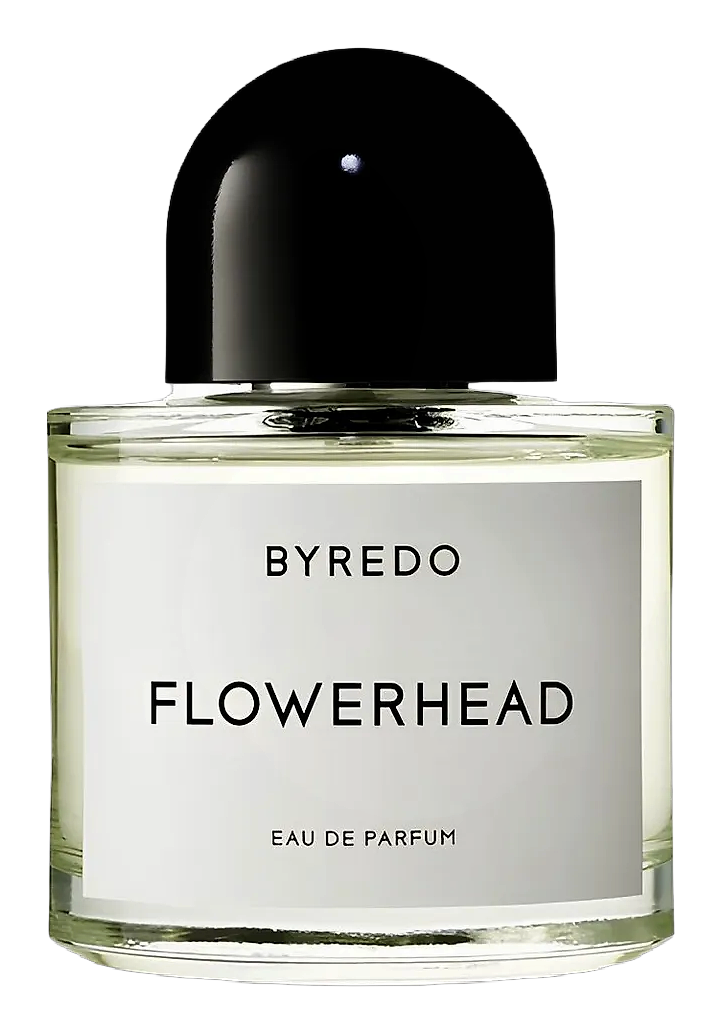
Flowerhead arrived in 2014, crafted by Jérôme Epinette for Byredo. The brief was simple: a modern floral that didn't flinch. Not powdery, not vintage, something with weight and intention. Epinette worked with Byredo's founder Ben Gorham to translate that ambition into a composition that could hold its own against the house's more directional scents.
What makes Flowerhead unusual is the tension between its cool opening and warm heart. The Sicilian lemon and angelica seed arrive sharp, almost astringent, green in a way that reads mineral rather than herbal. Then the white florals arrive en masse. Tuberose and jasmine sambac don't blend quietly into the background; they announce themselves. The rose petals exist to soften, not dilute. It's a composition that earns its name by committing fully to it.
The evolution
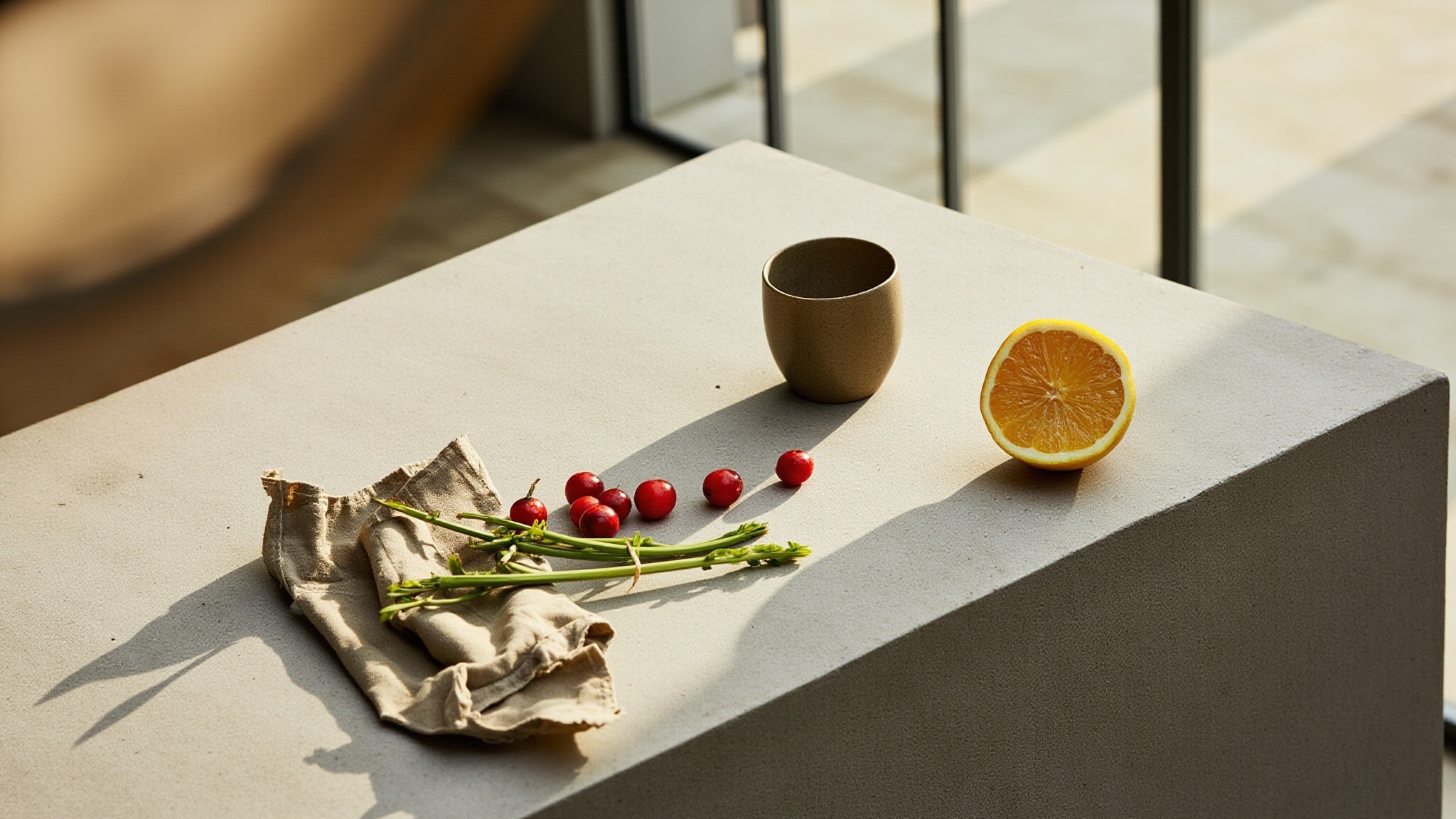
The first twenty minutes belong to citrus and green. Sicilian lemon flashes bright, angelica seed adds a faintly medicinal depth, and lingonberry brings a tart berry note that catches you off guard. Then, without warning, the florals take over. Jasmine sambac and tuberose arrive together, heady, almost salty, the kind of white floral that fills a room. Rose petals keep it from tipping into soliflore territory. By hour three, the suede and amber emerge. The florals don't disappear; they settle into the base, warm and close. Eight to ten hours later, what remains is a skin-close trace of amber and suede, like pressed flowers, still faintly sweet.
Cultural impact
Flowerhead became a reference point for modern florals when it launched in 2014. In a market increasingly dominated by ouds and orientals, it carved out space for something with genuine floral character, bold enough for devotees, wearable enough for newcomers. A staple at weddings and special occasions, it attracted both men and women who wanted white florals without the powdery vintage associations.