
The Story
Why it exists.
The beginning
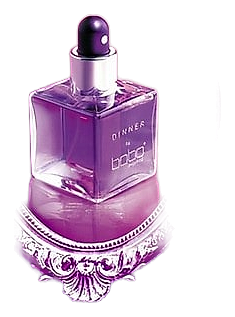
The name says everything. Dinner by Bobo is about the table, the hour when the food is cleared and the conversation stays. Sylvie Jourdet built this around warmth and presence, about what lingers after a meal ends. Tropical fruit opens bright, then the spices arrive: cardamom, cinnamon, ginger, caraway. Each wave layers heavier than the last, pulling the wearer deeper into the evening. It's gourmand without apology, sweet without softness. The kind of fragrance that earns its name by making you want to stay at the table.
What makes Dinner work is the structure. Most orientals peak early and fade soft. This one builds. The heart dominates for hours, spiced plum, peach, candied fruit held together by ginger and cardamom. The cumin appears in the drydown, settling into the resins like a memory of something smoky and close. Ylang-ylang adds a creamy floral note that fights the incense for dominance, keeping the base from going fully dark. It's a composition that argues with itself productively, each phase offering something different. The result is a fragrance that stays interesting because it keeps changing.
The evolution
The opening hits bright and sweet, lime, mandarin, tropical fruit swirling together for the first twenty minutes. Then the spices arrive. Cinnamon takes over, joined by cardamom and ginger, turning the fruit into something jam-like, preserves on warm toast. The plum and peach stay sweet but deepen as the cumin quietly enters the room. Not aggressive. Just there, shifting the warmth from cozy to intimate. For the next four to six hours, the heart holds. Spiced fruit, resinous warmth, a hint of incense rising through it all. Then the base settles. Musk, vanilla, ylang-ylang, patchouli, the sweetness rounds out, the incense stays close, and the whole thing becomes skin-warm and personal. Eight hours on most skin. The next morning, faint incense and vanilla on fabric.
Cultural impact
Dinner holds a strange position: discontinued since the mid-2010s but still discussed in niche fragrance circles as a cult favorite. It arrived before the current wave of hyper-complex orientals and avant-garde notes like cumin became common. For those who discovered it, it remains a reference point, proof that a gourmand-spicy can be intimate rather than performative. The fragrance never received widespread mainstream attention, but within the niche community it developed a reputation as a hidden gem, the kind of thing you find in a vintage shop and can't stop wearing.