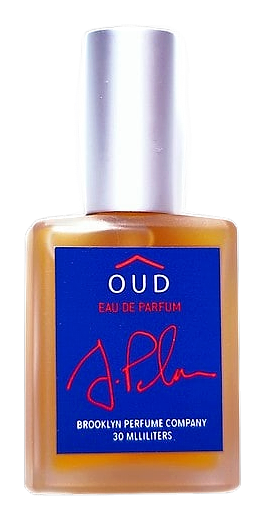

The Story
Why it exists.
The beginning
BPC Oud is built around oud as the central character rather than an effect layered over everything else. The idea is a composition where one dominant material can hold the frame: aged wood and agarwood at the center, leather for weight, musk for closeness. Grapefruit and osmanthus are there to keep the whole thing breathable, to stop a dense accord from turning airless. Its description calls it deeply earthy, funky, musky and animalic, with fruit and floral edges that soften the blow. The scent moves between shadow and brightness, opening with the clean snap of citrus before settling into resinous wood, supple leather and warm musk.
Most oud builds its drama by going heavier as the hours pass. This one works in reverse. Grapefruit arrives with genuine brightness, cutting through the resinous material instead of hiding behind it, while osmanthesis adds a faint floral thread that keeps the composition from reading as a single block. What makes the pairing worth noticing is the friction. Citrus is volatile, sharp, temporary. Oud and aged wood are dense, slow, stubborn. The fragrance gets its character from that disagreement, and the leather accord is what makes the resolution feel deliberate rather than accidental.
The evolution
The opening is a brief argument between brightness and weight. Grapefruit hits first, clean and almost juicy, and for a short while the oud reads more as dark wood than as a resinous material. Osmanthus slips in with a soft floral sweetness that keeps the fruit from turning sharp. Then leather arrives, and the composition reorients itself toward the body. The animalic notes come forward next, less explicit than they sound, more like warm skin and worn suede than barnyard. Vanilla and musk round out the base, and somewhere in the second half the whole thing loses its citrus edge and becomes what it was always heading toward: a woody, musky, faintly sweet drydown that stays close but keeps working. On skin, the arc gradually shifts as the top notes fade and the base becomes clearer, with leather providing structure and aged wood supplying a dry, textured depth.
Cultural impact
BPC Oud can be understood as an alternative to dense, ornate oud traditions, offering a more restrained and direct expression of the material. Its appeal lies in the balance between oud, aged wood, leather and musk, with grapefruit and osmanthus bringing light and freshness to the composition. Rather than treating oud as pure opulence, the scent makes room for contrast: citrus cuts through the darker materials, floral softness tempers the resinous center, and leather gives the result a grounded, tactile character. That makes BPC Oud approachable to explore while still rewarding closer attention.
The House
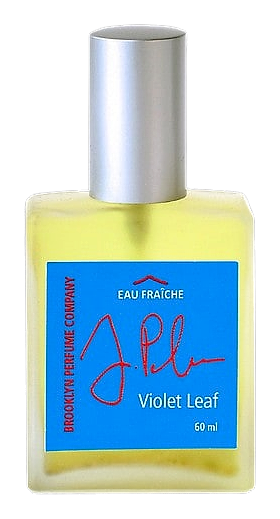
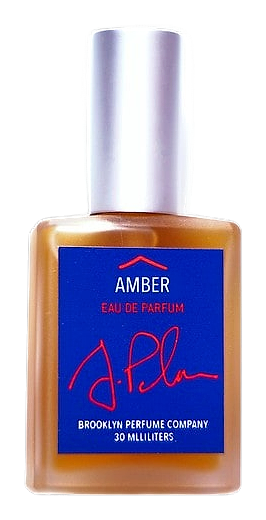
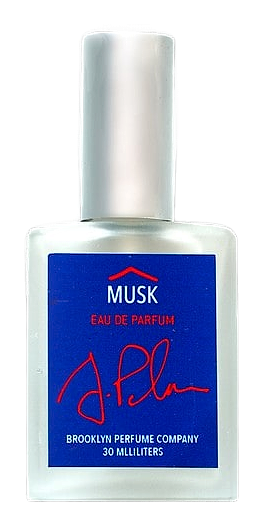
Brooklyn Perfume CompanyBrooklyn Perfume Company (BPC) is a boutique fragrance house rooted in the creative energy of Williamsburg, Brooklyn. Founded in 2014 by James Peterson, the label offers a concise portfolio of modern scents that balance classic ingredients with a downtown sensibility. Signature releases such as BPC Amber, BPC Musk and BPC Oud arrived in 2015, establishing a line that favors clarity, balance and a tactile sense of place. The brand distributes directly to consumers and through a curated network of independent retailers, positioning each bottle as a small, personal discovery rather than a mass‑market offering.
The Creator
James PetersonPeterson’s technique blends laboratory precision with culinary intuition. He measures each ingredient on a scale, then lets the mixture rest as a chef would a broth, tasting the evolution over weeks.