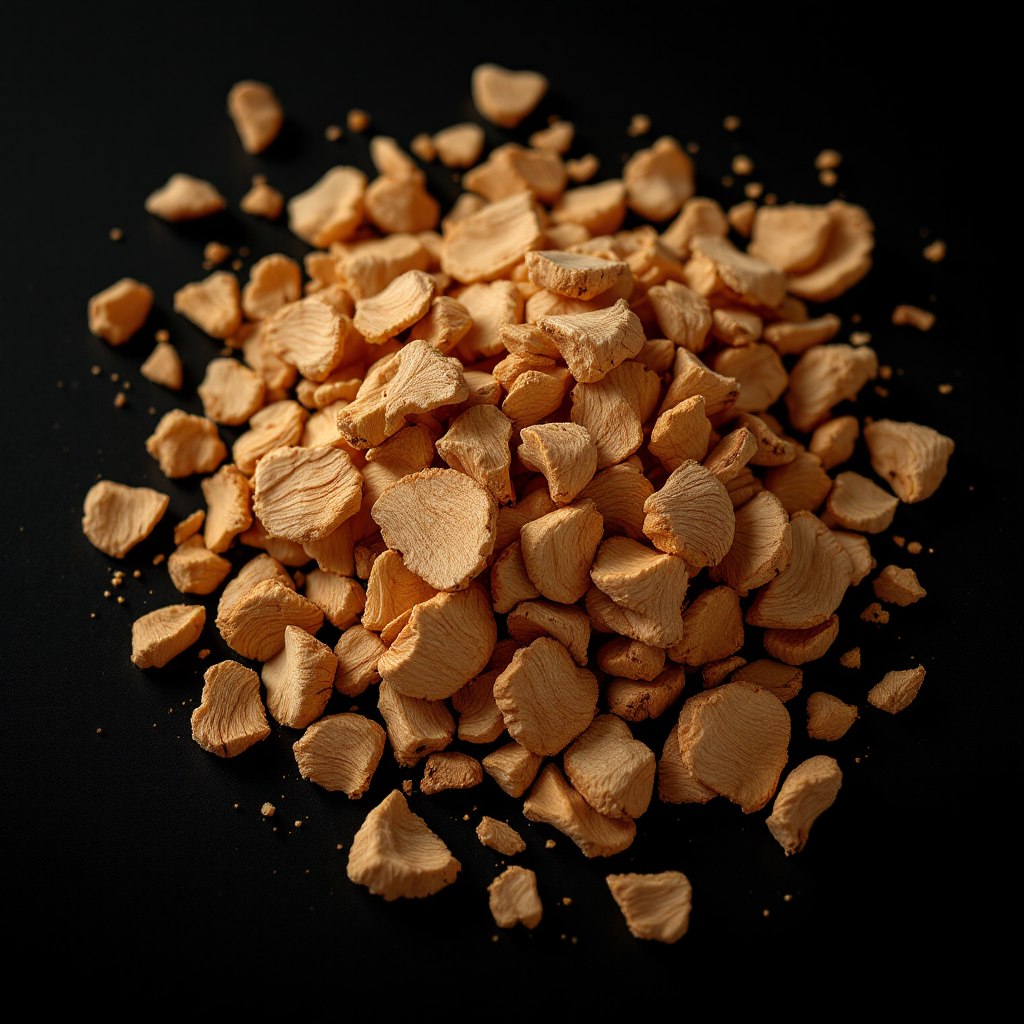
Aged Wood
Aged wood—the most coveted note in perfumery—refers to resin-soaked heartwood from the Aquilaria tree, which develops its precious aroma only after decades of infection and slow maturation. This is oud in its most primal, unadulterated form.
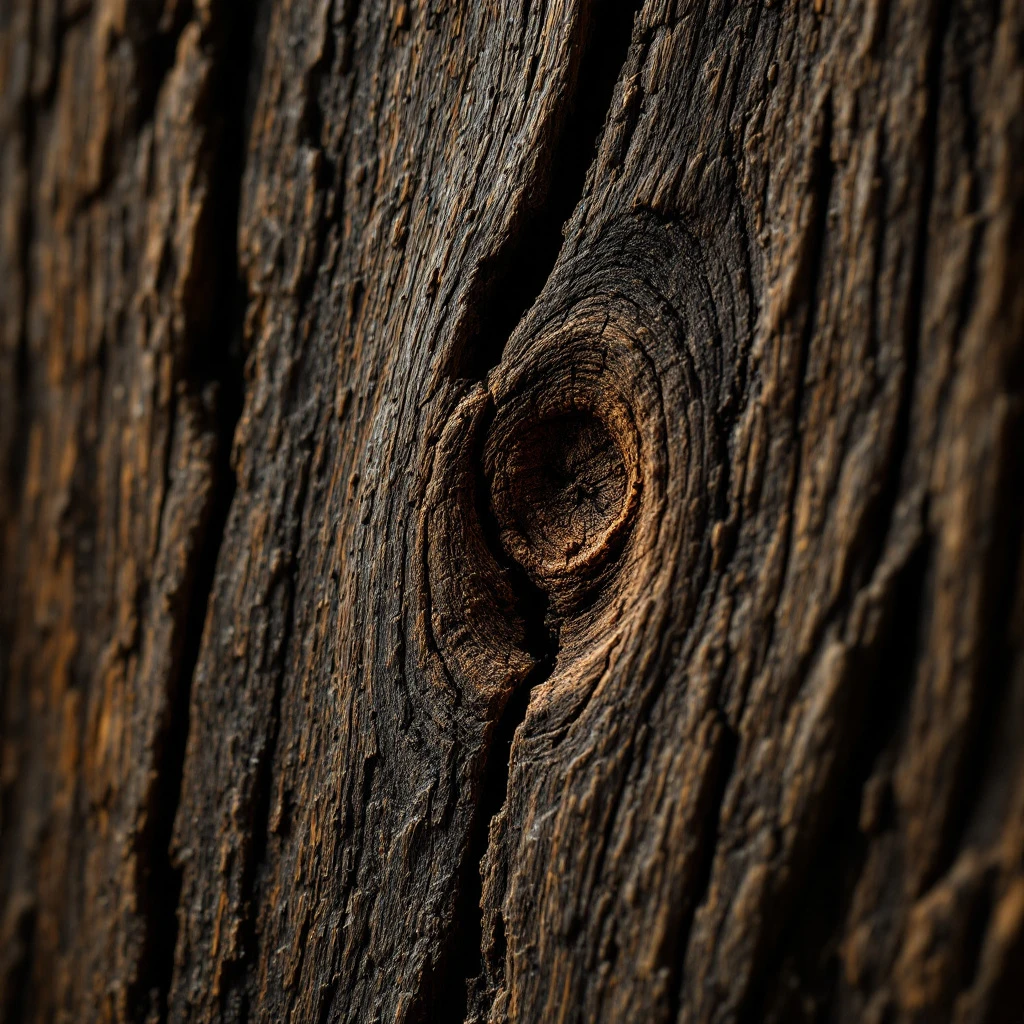
Character
How it smells
Centuries of patience distilled into a single breath.
Only about 2% of wild Aquilaria trees naturally produce the resin that becomes oud, making each drop a botanical accident.
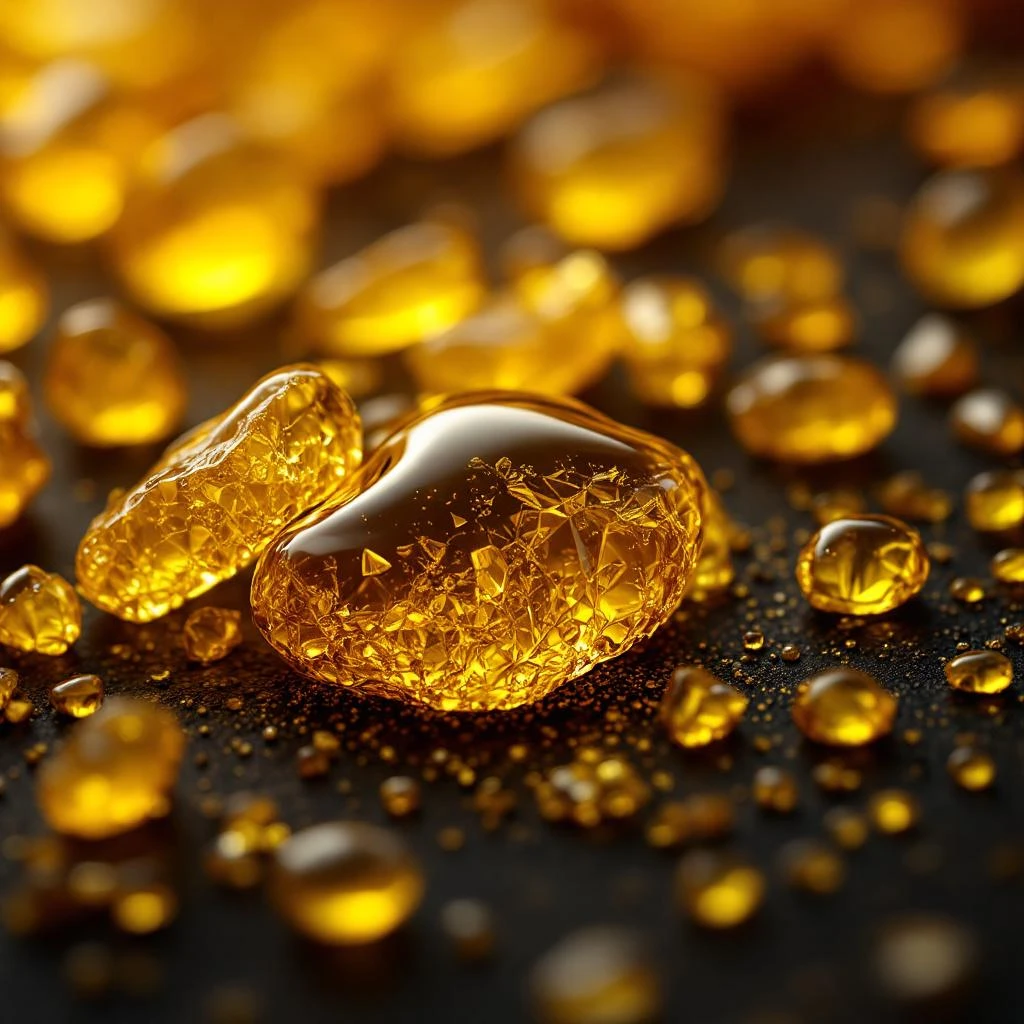
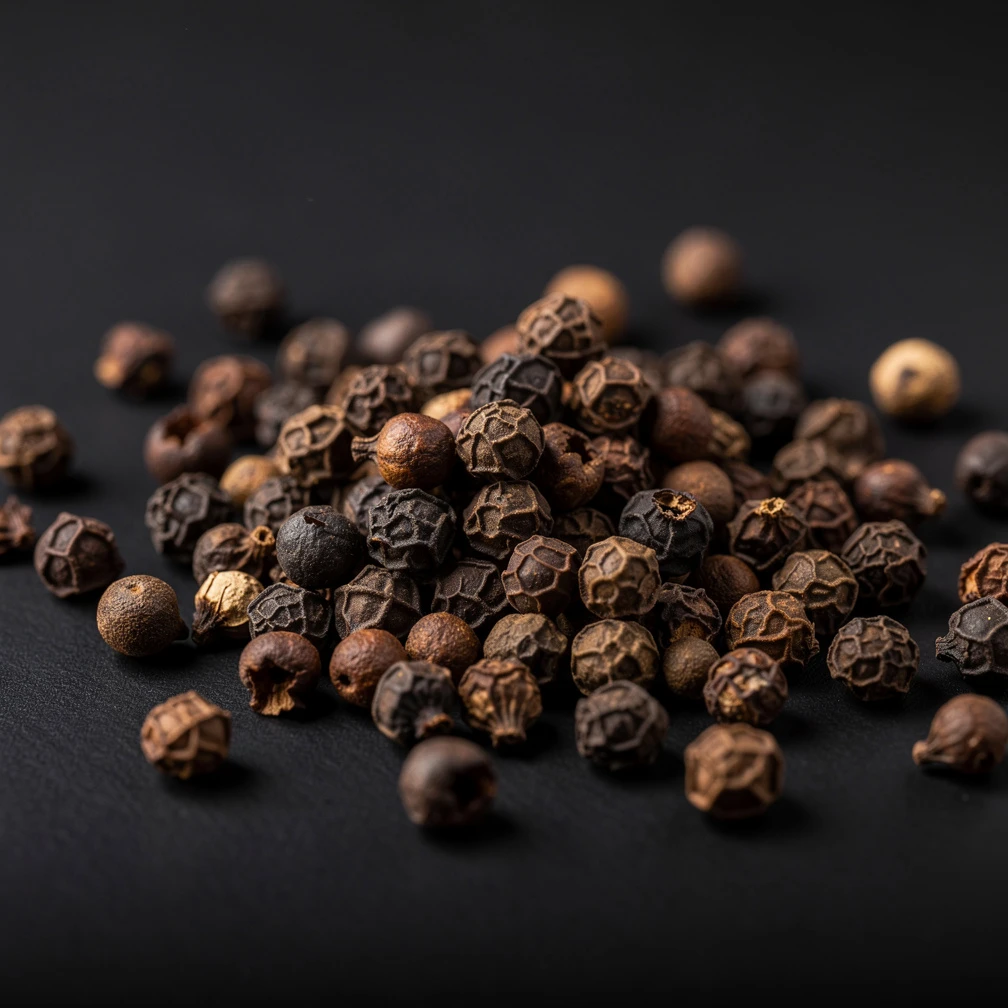





Origin
Cambodia
Oud appears in texts from ancient Arabia, India, and Southeast Asia dating back over two millennia. Islamic traditions incorporated burning agarwood during prayer, believing its smoke carried devotion heavenward. Egyptian physicians used it in remedies, while Chinese courts reserved it for imperial ceremonies.
The 12th-century Arab doctor Ibn al-Baitar documented its medicinal applications, cementing oud's role in early pharmacological practice. Buddhist scriptures mention agarwood as one of the most sacred offerings. European traders encountered it through the spice routes, though its extreme cost limited it to aristocracy.
Today, sustainable plantations in Vietnam, India, and Cambodia now produce cultivated oud, addressing concerns about wild-harvested supplies while preserving the ancient art of identifying and processing this remarkable material.
Wears it best
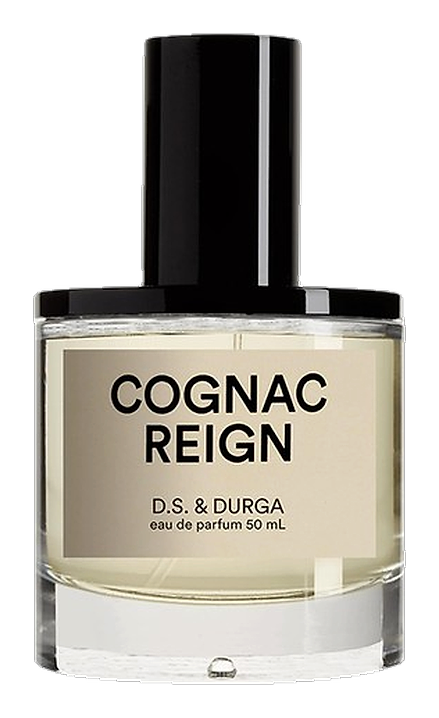
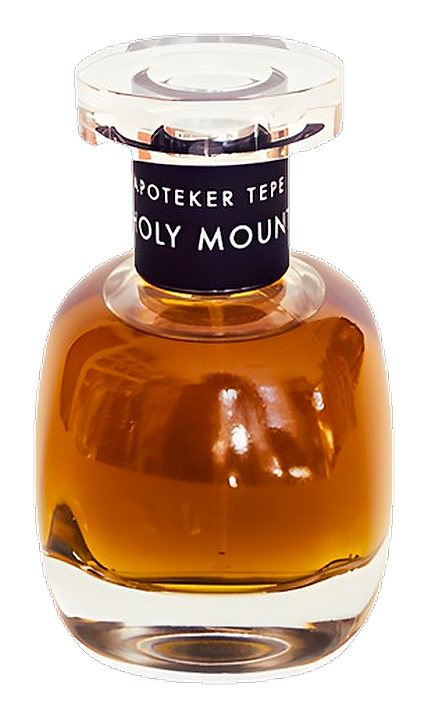
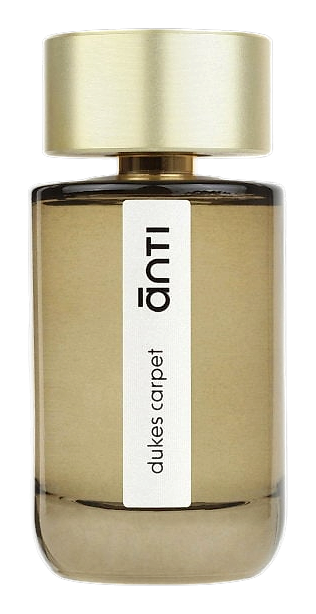
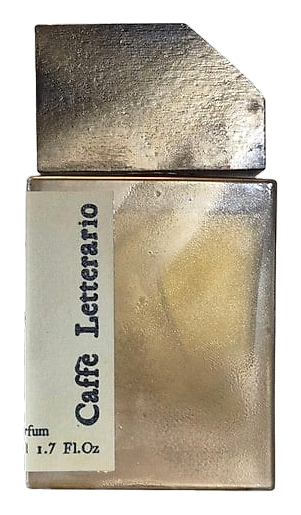
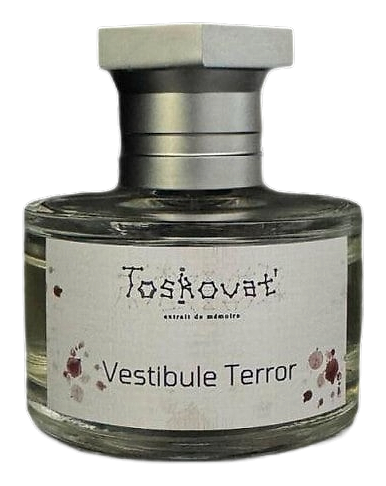
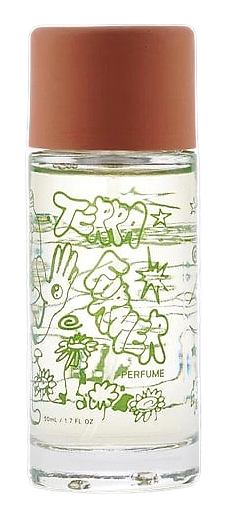
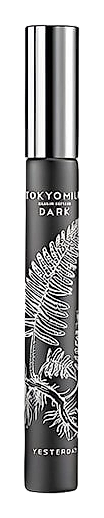
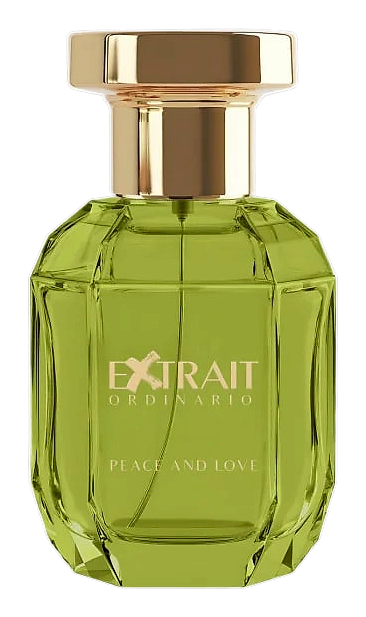
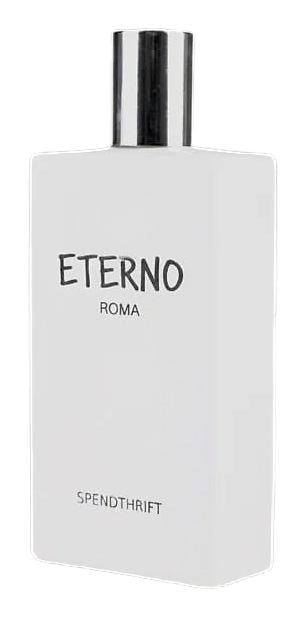
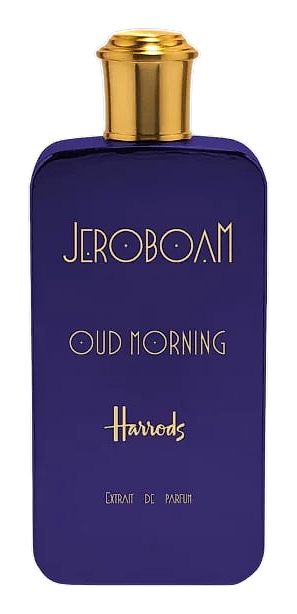
Fragrances featuring Aged Wood

Brands
Brands known for Aged Wood
Good to know
Questions, answered
The essentials on Aged Wood in perfumery: how it smells, where it comes from, and how it behaves on skin.
What does aged wood smell like?
Aged wood—oud—offers a complex profile combining animalic depth with sweet-balsamic warmth. Expect smoky incense, aged leather, dark honey, and a distinct animalic quality that evolves over hours on skin. No two sources smell identical.
Why is aged wood so expensive?
Natural oud requires 30 to 100 years to develop properly in a wild Aquilaria tree. Only about 2% of trees produce the resin, and traditional steam distillation yields minimal oil from enormous amounts of wood.
Can aged wood be sustainably produced?
Yes. Sustainable plantations now inoculate Aquilaria trees with fungi under controlled conditions, inducing resin production in 5 to 10 years instead of decades. This makes quality oud more accessible while protecting wild populations.
How long does aged wood last on skin?
Oud ranks among the most tenacious fragrance materials, typically remaining detectable for 12 to 24 hours. Its heavy molecular structure means it evolves slowly, revealing new facets over the wearing period.
What perfumes feature aged wood prominently?
Tom Ford Oud Wood uses synthetic oud molecules for a refined interpretation. Byredo Bibliothèque pairs oud with plum and vanilla. Amouage Epic Man combines it with amber and frankincense for a commanding presence.
Is synthetic aged wood comparable to natural?
Synthetic alternatives like oud alcohols capture some characteristics but lack the multidimensional depth of natural oud. Natural oud contains hundreds of compounds that interact with skin chemistry, creating a unique signature for each wearer.
How should I store aged wood fragrance products?
Keep oud perfumes away from heat and direct sunlight. The oil's complexity breaks down under environmental stress. Dark glass bottles in a cool, dark place preserve the fragrance for years.
What cultures use aged wood in ceremonies?
Buddhist, Hindu, Islamic, and ancient Egyptian traditions all incorporate agarwood smoke in spiritual practices. Japanese incense culture, known as kodo, identifies agarwood as the most precious material for meditation and ritual.