




    Brand Profile

    Brooklyn Perfume Company (BPC) is a boutique fragrance house rooted in the creative energy of Williamsburg, Brooklyn. Founded in 2014 by Jam…More

    United States·Est. 2014·Site

    3.4

    Rating

    8
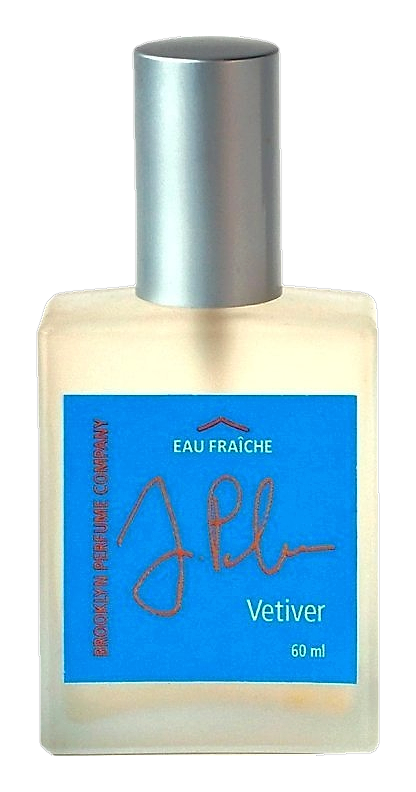
    Vetiver by Brooklyn Perfume Company
    3.4

    Vetiver

    BPC Musk by Brooklyn Perfume Company
    Best Seller
    4.0

    BPC Musk

    BPC Amber by Brooklyn Perfume Company
    Best Seller
    4.0

    BPC Amber

    Violet Leaf by Brooklyn Perfume Company
    Best Seller
    3.5

    Violet Leaf

    Neroli by Brooklyn Perfume Company
    3.5

    Neroli

    BPC Sandalwood by Brooklyn Perfume Company
    3.3

    BPC Sandalwood

    BPC Oud by Brooklyn Perfume Company
    2.8

    BPC Oud

    Galbanum by Brooklyn Perfume Company

    Galbanum

    The Heritage

    The Story of Brooklyn Perfume Company

    Brooklyn Perfume Company (BPC) is a boutique fragrance house rooted in the creative energy of Williamsburg, Brooklyn. Founded in 2014 by James Peterson, the label offers a concise portfolio of modern scents that balance classic ingredients with a downtown sensibility. Signature releases such as BPC Amber, BPC Musk and BPC Oud arrived in 2015, establishing a line that favors clarity, balance and a tactile sense of place. The brand distributes directly to consumers and through a curated network of independent retailers, positioning each bottle as a small, personal discovery rather than a mass‑market offering.

    Heritage

    James Peterson grew up in New York and recalls the scent of his mother’s Vol de Nuit, a memory that later informed his desire to create wearable stories. In 2014, after friends encouraged him to share his home‑blended experiments, Peterson launched Brooklyn Perfume Company from a modest studio in Williamsburg. The first public collection debuted in early 2015, featuring four core fragrances—Amber, Musk, Sandalwood and Oud—each built around a single, well‑defined note. The launch received modest coverage in local lifestyle blogs, which highlighted the brand’s commitment to straightforward compositions and transparent pricing. By late 2015, BPC expanded its catalogue with lighter accords such as Violet Leaf, Neroli, Galbanum and Vetiver, allowing the house to explore both warm and fresh territories. In 2016 the company secured its first wholesale partnership with a boutique fragrance shop in Manhattan, marking the transition from a purely online model to a physical presence. The following years saw incremental growth: in 2018 BPC began shipping internationally, initially to Canada and the United Kingdom, and in 2020 the label introduced recyclable glass bottles and soy‑based caps to reduce its environmental footprint. A 2022 collaboration with a Brooklyn visual artist produced limited‑edition packaging that referenced the borough’s street art heritage. In 2024 the brand celebrated its ten‑year anniversary, a milestone noted on the founder’s Instagram account, where Peterson reflected on a decade of small‑batch production and community support. Throughout its history, BPC has remained a lean operation, relying on a network of freelance perfumers and small‑scale ingredient suppliers rather than a large corporate lab, a choice that preserves flexibility and a personal touch in every release.

    Craftsmanship

    Production at Brooklyn Perfume Company takes place in small batches, typically ranging from 100 to 300 milliliters per batch, a size that enables close monitoring of each step. Raw materials are sourced from a mix of domestic distributors and vetted overseas farms; for example, the oud used in BPC Oud originates from a certified plantation in Indonesia, while the amber accord is blended from lab‑derived synthetic notes that mimic natural amber resin. The blending process is overseen by freelance perfumers who work from home studios, sending their formulations to Peterson for final approval. Once a formula is locked, the mixture is macerated for a period of three to six weeks, allowing the volatile and base notes to integrate fully. Quality control includes gas chromatography analysis to verify the concentration of key aroma compounds, ensuring consistency across batches. Bottles are hand‑filled in a Brooklyn loft, then sealed with soy‑based caps that decompose more readily than traditional petroleum‑based plastics. Labels are printed on recycled paper using soy inks, aligning with the brand’s low‑impact ethos. Shipping materials are also chosen for sustainability; the company uses biodegradable packing peanuts and recycled cardboard boxes. Throughout the process, Peterson maintains a log of ingredient batch numbers, allowing traceability in the unlikely event of a recall or consumer query.

    Design Language

    The visual language of Brooklyn Perfume Company mirrors the understated elegance of its scents. Bottles are simple, cylindrical glass vessels with a matte finish that reduces glare and highlights the subtle hue of the liquid inside. Caps are matte black, made from a biodegradable polymer, and feature a discreet embossed BPC monogram. Labels employ a clean, sans‑serif typeface set against a muted background color that corresponds to the fragrance’s dominant note—amber tones for BPC Amber, deep green for BPC Oud, soft ivory for BPC Musk. The brand’s packaging often includes a small, hand‑drawn illustration that references the ingredient’s natural source, such as a stylized sandalwood tree or a minimalist violet leaf. Marketing imagery favors natural light and urban backdrops, positioning the perfume as a bridge between the city’s concrete rhythm and the organic world of scent. In 2022, a limited‑edition run partnered with a local graffiti artist, whose bold line work appeared on the outer box, adding a pop‑culture edge while retaining the overall minimalist aesthetic. The overall design strategy seeks to convey approachability and craftsmanship without resorting to overt luxury cues, inviting the wearer to focus on the olfactory experience rather than visual excess.

    Philosophy

    Brooklyn Perfume Company approaches scent as a dialogue between memory and material. The brand’s guiding principle is to let a single dominant ingredient tell a story, rather than layering multiple themes that compete for attention. This restraint reflects Peterson’s belief that fragrance should be approachable, yet capable of evoking a specific moment—whether it is the amber glow of a sunset or the crisp bite of a winter breeze. BPC emphasizes transparency: each product label lists the primary accord, the concentration (eau de parfum or eau de toilette) and the origin of key raw materials. The house also prioritizes ethical sourcing, working with suppliers who can certify sustainable harvests for ingredients such as oud and sandalwood. Community feedback informs future releases; Peterson frequently invites customers to share scent memories, which can inspire new compositions. The brand’s modest scale allows it to experiment with unconventional pairings—like combining galbanum with a soft vetiver base—without the pressure of large‑scale production runs. Ultimately, BPC aims to create fragrances that feel like a personal artifact, something a wearer can keep close and revisit over time.

    Key Milestones

    2014

    James Peterson founded Brooklyn Perfume Company in Williamsburg, Brooklyn after encouragement from friends.

    2015

    Launch of the core four fragrances—BPC Amber, BPC Musk, BPC Sandalwood, and BPC Oud—establishing the brand’s single‑note focus.

    2016

    First wholesale partnership secured with a Manhattan boutique, expanding distribution beyond the brand’s website.

    2018

    International shipping begins, initially serving customers in Canada and the United Kingdom.

    2020

    Introduction of recyclable glass bottles and soy‑based caps as part of a sustainability initiative.

    2022

    Limited‑edition packaging collaboration with a Brooklyn street‑art artist, featuring custom illustrations on the outer box.

    At a Glance

    Brand profile snapshot

    Origin

    United States

    Founded

    2014

    Heritage

    12

    Years active

    Collection

    1

    Fragrances released

    Avg Rating

    3.4

    Community sentiment

    brooklynperfumecompany.com

    Did You Know?

    Interesting Facts

    Distinctive details and defining moments that shape the house personality.

    01

    BPC’s first four fragrances were each released in the same year (2015), a rare simultaneous launch for a new niche house.

    02

    The brand’s oud is sourced from a certified sustainable plantation in Indonesia, a detail often omitted by larger perfume houses.

    03

    Brooklyn Perfume Company uses soy‑based caps, a material more commonly found in food packaging than in fragrance bottles.

    04

    All label illustrations are hand‑drawn by local artists, reinforcing the brand’s connection to the Brooklyn creative community.

    The Artisans

    The Perfumers