The Story
Why it exists.
The beginning
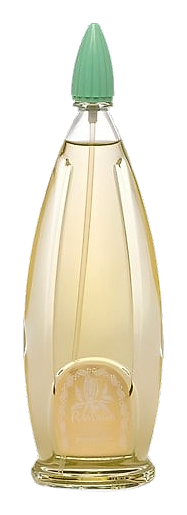
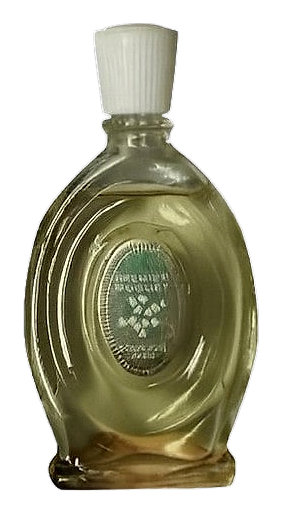
Premier Muguet arrived in 1955 from Bourjois, a house that by then had spent decades weaving French perfumery into the everyday. The timing mattered. Post-war Paris carried a hunger for clarity, for scents that felt honest rather than ornamental. Lily of the valley, the muguet of the title, had long been France's first-of-May bloom, pinned to lapels, hung over doorways for luck. Bourjois leaned fully into that tradition with a single-note composition built on one flower rather than a chorus. The perfumer was Ernest Beaux, a name better known for reshaping Chanel's early offerings. Here he stripped everything back to green stem and white bell.
A solo muguet composition is a deliberate choice, and in 1955 it was almost a manifesto. Most florals of the era wrapped their lead flower in supporting notes, padding lily with rose, neroli, jasmine, a structural base. Beaux skipped the scaffolding. That demands a raw material of real character, because there's nothing for an inferior extract to hide behind. The muguet has to carry the entire arc on its own. The result reads as quiet, but quiet at this resolution is its own kind of craftsmanship. The soapy, slightly metallic green of the flower is allowed to speak without translation.
The evolution
The opening arrives without ceremony, green and aqueous, the smell of stems snapped just below the flower. There is no citrus sparkle, no aldehyde lift to herald it. For the first 30 minutes the composition holds that cold-petal register almost stubbornly. Then around the second hour the edges blur slightly, the green turning warmer, almost honeyed, as if the flower has been held in a closed fist long enough to soften. Powder notes emerge in the late heart, bringing a faintly cosmetic tenderness that recalls vintage face powder tins. By the fourth hour the scent sits close to skin, a clean musk-vegetal hush that lingers well into a second day on fabric. The drydown is where many find the quiet magic, the place where the muguet finally exhales.
Cultural impact
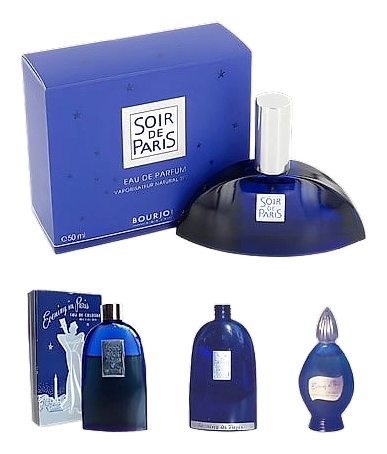
Premier Muguet belongs to a quieter register than Bourjois's better-known fragrances like Soir de Paris. It's the kind of vintage cologne that has survived among collectors and lily-of-the-valley devotees for seven decades, rarely discussed in mainstream press but quietly treasured as one of the more faithful soliflore treatments of muguet ever bottled.
The House
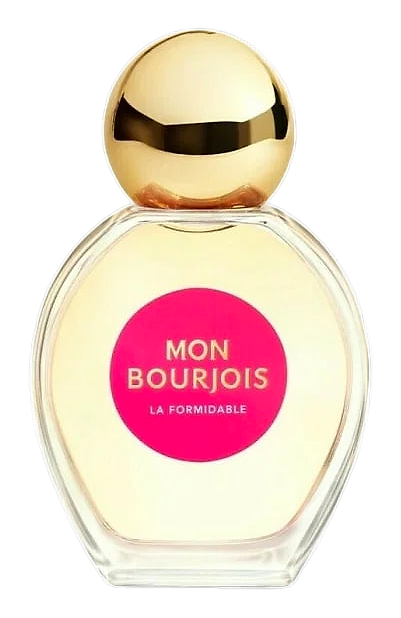
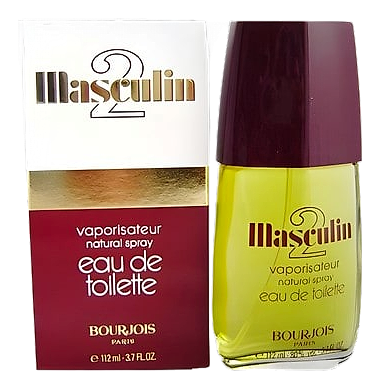
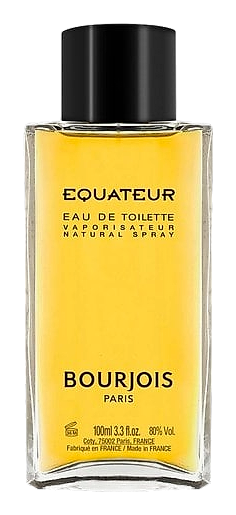
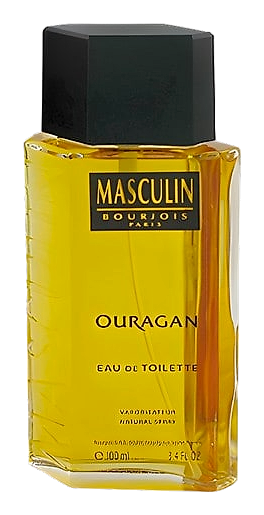
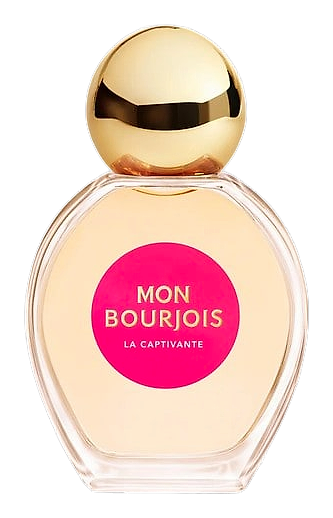
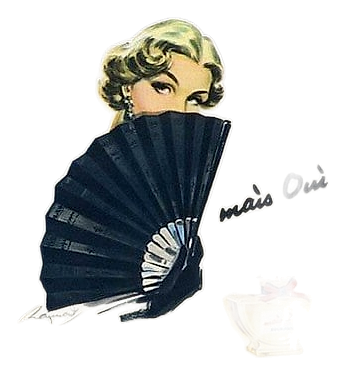
BourjoisBourjois began as a modest Parisian toiletry shop in the mid‑19th century and grew into a household name for colourful cosmetics and approachable fragrance. The brand blends French theatrical flair with everyday wearability, offering scents that feel both playful and rooted in tradition. Over more than a century, Bourjois has kept a focus on accessible luxury, delivering perfume that invites a wider audience to experience the craft of French perfumery without the pretence of exclusive pricing. Its catalogue includes iconic launches such as Mais Oui (1938) and the masculine line that started in the early 1970s, each reflecting a balance of heritage and contemporary taste.
The Creator
Ernest BeauxBeaux mastered the use of aldehydes at levels that created a luminous, almost effervescent quality previously unseen in perfumery. He combined the finest natural materials with synthetic innovations, particularly aldehydes, to produce compositions that felt both familiar and s…